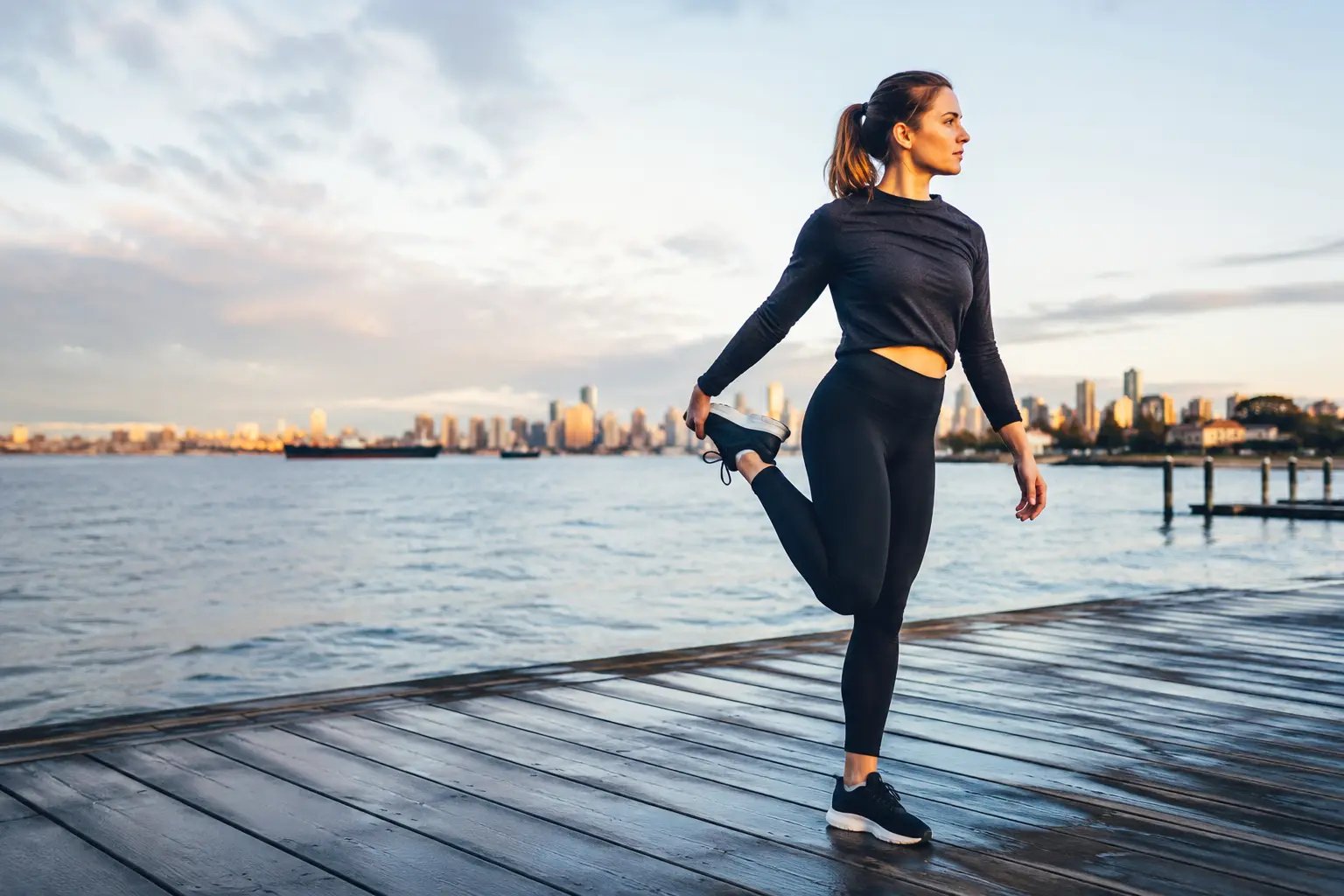
Your shoulders are constantly hunched from desk work, your hips feel locked up, and you can barely touch your toes without wincing, but you have no idea if a daily stretching routine will actually fix any of it or if you are just wasting time.
Importance of regular stretching
Daily stretching routines do far more than just make you feel temporarily loose. When you stretch consistently, you are actively signaling your muscles to lengthen and adapt, which directly improves your flexibility and range of motion over weeks and months. Think about a woman who sits at a desk for eight hours daily. Her hip flexors tighten, her chest rounds forward, and her lower back compensates by working overtime. By adding just ten minutes of intentional stretching each morning, she can reverse these patterns. Regular stretching also reduces muscle tension that builds up from stress, poor posture, and daily activities. Beyond the physical benefits, stretching promotes blood circulation, which delivers oxygen and nutrients to your muscles and tissues. This enhanced circulation also supports relaxation by activating your parasympathetic nervous system, the part of your body that tells you to calm down. Women who commit to a daily stretching routine often report better sleep, reduced anxiety, and improved overall well-being within just two to three weeks.
- Enhances flexibility and range of motion
- Reduces the risk of injury during physical activities
- Promotes blood circulation and relaxation
Effective stretches for women
Women’s bodies often hold tension in specific areas due to hormonal cycles, daily habits, and structural differences. Hip flexor stretches are essential because tight hips affect your posture, lower back health, and even how you walk. A simple low lunge stretch, held for thirty seconds on each side, can dramatically open up your hips over time. Shoulder rolls and chest stretches address the forward rounding that comes from phone use and desk work. Try standing in a doorway and gently pressing your chest forward, or clasp your hands behind your back and lift your arms slightly to feel a deep chest stretch. Spine twists are equally important because they mobilize your entire torso, improve digestion, and release tension along your sides and back. Sit on the floor with one leg extended and one knee bent, then gently twist toward the bent knee, holding for thirty seconds. Hamstring stretches matter too, especially if you run or sit frequently. A seated forward fold or lying hamstring stretch can ease tightness that pulls on your lower back. The key is targeting these specific areas consistently rather than doing random stretches, because your body responds to intentional, repeated work.
📘 Fix your day in under 2 minuteschoose where to begin:
Common stretching myths debunked
One of the biggest myths is that you should stretch before exercise to prevent injuries. In reality, cold muscles are less pliable and more prone to strain when stretched hard. Dynamic warm-ups like arm circles, leg swings, and light movement prepare your muscles much more effectively for exercise. Save your static stretching, where you hold a position, for after your workout when your muscles are warm and receptive. Another dangerous myth is that stretching should hurt to be effective. Pain is your body’s warning signal that something is wrong. Discomfort is normal and expected, but actual pain means you have gone too far. A good stretch feels like a gentle pull, not a sharp sensation or burning. Women sometimes push too hard because they believe more intensity equals faster results, but this approach backfires and can cause micro-tears in muscle fibers. A third myth suggests that stretching alone can make you flexible overnight. Flexibility is built gradually over weeks and months of consistent practice. You cannot undo years of tightness in a single session. Additionally, some believe that stretching is only for athletes or gymnasts, but every woman benefits from improved mobility regardless of her activity level. Finally, many think that once you are flexible, you can stop stretching. Flexibility is like a skill you must maintain through regular practice or it fades.
Incorporating stretching into your routine
The most successful approach is to start small and build consistency rather than attempting an ambitious routine you cannot maintain. Begin with five to ten minutes of gentle stretching each morning before your day gets hectic. This could mean doing three or four stretches that target your main problem areas, holding each for thirty seconds. As your body adapts over two to three weeks, gradually add more stretches or increase your hold times to forty-five or sixty seconds. Many women find that pairing stretching with another habit makes it stick. For example, stretch while your coffee brews, after your shower, or before bed as part of a wind-down ritual. This habit stacking makes stretching feel automatic rather than like another chore. Listen to your body carefully and adjust based on how you feel. If you are sore or fatigued, dial back the intensity. If you feel strong and mobile, you can explore deeper stretches. Some days you might stretch for five minutes, other days for fifteen. The goal is consistency, not perfection. Consider exploring different stretching styles like yoga, Pilates, or tai chi to keep things interesting and work your body in varied ways. These practices teach proper alignment and breathing, which amplify the benefits of stretching.
Staying motivated and consistent
Motivation fades quickly without a clear reason and measurable progress. Start by setting one specific, realistic goal. Instead of vague goals like ‘get more flexible,’ aim for something concrete like ‘touch my toes without bending my knees within eight weeks’ or ‘eliminate morning shoulder stiffness within three weeks.’ Write this goal down and place it somewhere visible. Track your progress by noting how you feel after stretching sessions, taking photos monthly, or keeping a simple journal of what you stretched and for how long. Celebrate small wins because they fuel momentum. When you notice you can reach a bit further or feel less stiff, acknowledge that progress. Many women benefit from accountability, whether that means telling a friend about their goal, joining an online stretching community, or scheduling stretching time with a workout buddy. Variety prevents boredom and keeps your nervous system engaged. Rotate between different stretching styles, try new stretches you find on reputable fitness channels, or follow along with guided stretching videos. Some days might be a gentle morning routine, while other days could be a more thorough evening session. Remember that consistency matters far more than intensity. Stretching five minutes daily beats one intense thirty-minute session once a week. Your body adapts and improves through regular, gentle repetition.
Regular stretching routines enhance flexibility, reduce muscle tension, and promote overall well-being for women. Targeting specific areas like hips, shoulders, and spine with consistent practice yields real results. Understanding the truth behind stretching myths helps you avoid injury and stay motivated. By starting small, building consistency, and celebrating progress, you can transform how your body feels and functions naturally.
Is stretching better before or after exercise?
Dynamic warm-ups are more effective before exercise to prevent injuries, while static stretching is beneficial post-exercise to improve flexibility and reduce muscle tension.
How often should I stretch?
Ideally, aim to stretch daily to maintain flexibility and mobility. Consistency is crucial for seeing long-term benefits from your stretching routine.
Others also read:
Disclaimer: This article is for informational purposes only and is not a substitute for professional medical advice. Always consult a healthcare professional for personal guidance.
This guide has been prepared and reviewed by the GlobalHealthBeacon editorial team and reflects current medical research as of 2026. It provides structured, evidence-based information to support informed health decisions.
