You wake up, try to roll out of bed, and your hips scream in protest while your shoulders feel locked in place, making even the simplest movements feel like a chore that drains your energy before the day even starts, which is exactly why rethinking your daily stretching routine isn’t just helpful, it’s essential.
Yoga for enhanced flexibility
I remember my neighbor Margaret, 72, who spent years dismissing yoga as something only for young people on Instagram. Then one morning after her grandkids visited, she couldn’t bend down to pick up their toys without sharp pain shooting through her lower back. She finally tried a gentle senior yoga class at her local community center, and within six weeks, she noticed she could reach her toes again. Gentle yoga poses that focus on stretching major muscle groups work because they target the areas seniors lose flexibility first: hips, hamstrings, and shoulders. The beauty of yoga isn’t just the physical stretching, though. As you move through poses like child’s pose or cat-cow, you’re also practicing deep breathing, which calms your nervous system and reduces the mental tension that often accompanies physical stiffness. Regular practice genuinely improves balance, reduces everyday aches, and helps you feel more capable in your daily life.
- Increase range of motion and joint mobility
- Boost circulation and alleviate muscle tension
- Calm the mind through deep breathing and relaxation techniques
Pilates for core strength
Core strength is the foundation of everything you do as you get older, whether you’re reaching for something on a high shelf or simply standing up from a chair without using your hands. Pilates isn’t about doing crunches until you’re exhausted. Instead, it emphasizes controlled, deliberate movements that engage your deep abdominal muscles and stabilizer muscles around your spine. Think of it like building a strong trunk for a tree, so all the branches (your arms and legs) can move freely without strain. One client I know, Robert, 68, started Pilates specifically because his doctor warned him about his posture. He was hunching forward more each year, which compressed his lungs and made him feel tired. After consistent Pilates practice, his posture improved dramatically, he felt taller, and his breathing became easier. The controlled nature of Pilates also means you’re less likely to injure yourself compared to bouncy, high-impact exercises. You develop better body awareness, enhance muscle tone, and build the stability that prevents falls and injuries.
💬 Ready to feel better in 2 minutes?choose where to begin:
Tai chi for mind-body harmony
Tai Chi moves like slow-motion choreography, and that’s exactly why it works so well for seniors. There’s no rushing, no impact, no competition. Instead, you’re flowing through gentle, continuous movements that have been refined over centuries in Chinese culture. The practice teaches you to move with intention and awareness, which naturally improves your flexibility as you gradually increase your range of motion without forcing it. What surprised many seniors I’ve spoken with is how much Tai Chi calms their minds. The flowing movements, combined with focused breathing, create a meditative state that reduces stress and anxiety. One woman, Patricia, 75, told me that after just two weeks of Tai Chi, her racing thoughts finally quieted down, and she slept better than she had in years. Beyond the mental peace, Tai Chi genuinely improves your balance and proprioception, which is your body’s sense of where it is in space. This is crucial for preventing falls. The practice cultivates a sense of inner peace and harmony that radiates into your daily life.
Dynamic stretching for athletic performance
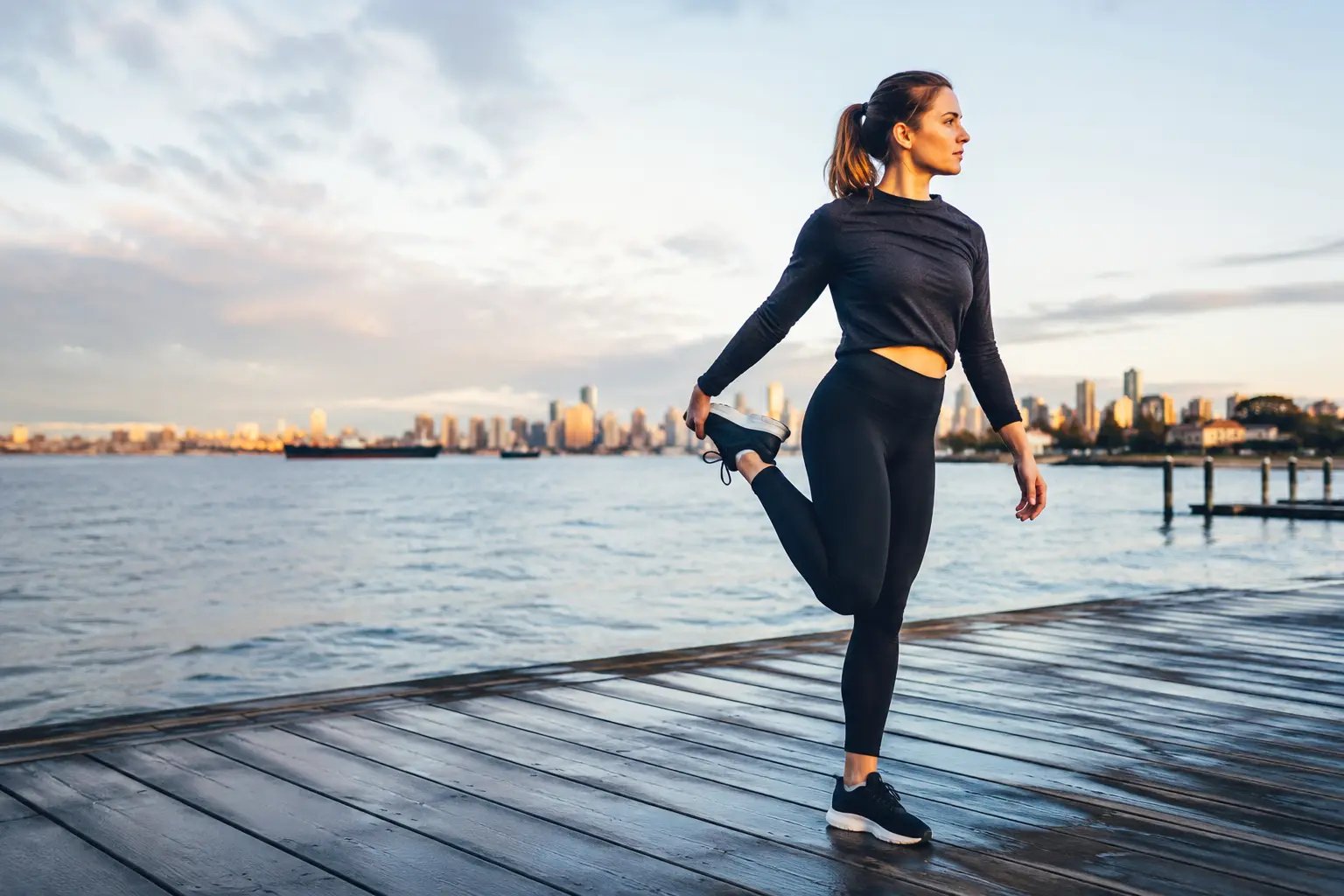
Dynamic stretching sounds intense, but it’s simply moving your joints through their full range of motion in a controlled way, rather than holding a stretch. Instead of sitting on the floor touching your toes, you might gently swing your leg forward and back, gradually increasing the range with each swing. This approach is particularly valuable if you’re planning any physical activity, even something as simple as a walk around the neighborhood or a gardening session. Dynamic stretching warms up your muscles, increases blood flow to the areas you’re about to use, and prepares your nervous system for movement. I knew a senior who started taking long walks but kept getting muscle strains until he began doing five minutes of dynamic stretching first, gently moving his hips, knees, and ankles. After that, his walks felt smoother and he had no more unexpected aches. The key mistake many people make is stretching cold muscles. Dynamic stretching before activity and static stretching after activity is the winning combination. This approach enhances your performance while significantly reducing the risk of strains or sprains that could sideline you for weeks.
Explore diverse daily stretching methods such as yoga, Pilates, Tai Chi, and dynamic stretching to improve flexibility, strength, balance, and mental well-being. Each practice offers unique benefits to enhance your overall quality of life.
Is it safe to start a new stretching routine as a senior?
Before beginning any new exercise regimen, consult with your healthcare provider to ensure that stretching activities are safe for your current health condition. Start slowly and gradually increase intensity as you become more comfortable.
How often should seniors perform daily stretching exercises?
It is recommended for seniors to engage in stretching activities at least 3-4 times per week for optimal benefits. Listen to your body’s signals and adapt your routine based on how you feel.
Others also read:
Disclaimer: This article is for informational purposes only and is not a substitute for professional medical advice. Always consult a healthcare professional for personal guidance.
This article presents an experience-based perspective and has been reviewed by the GlobalHealthBeacon editorial team in 2026. It provides structured, evidence-based information to support informed health decisions.
