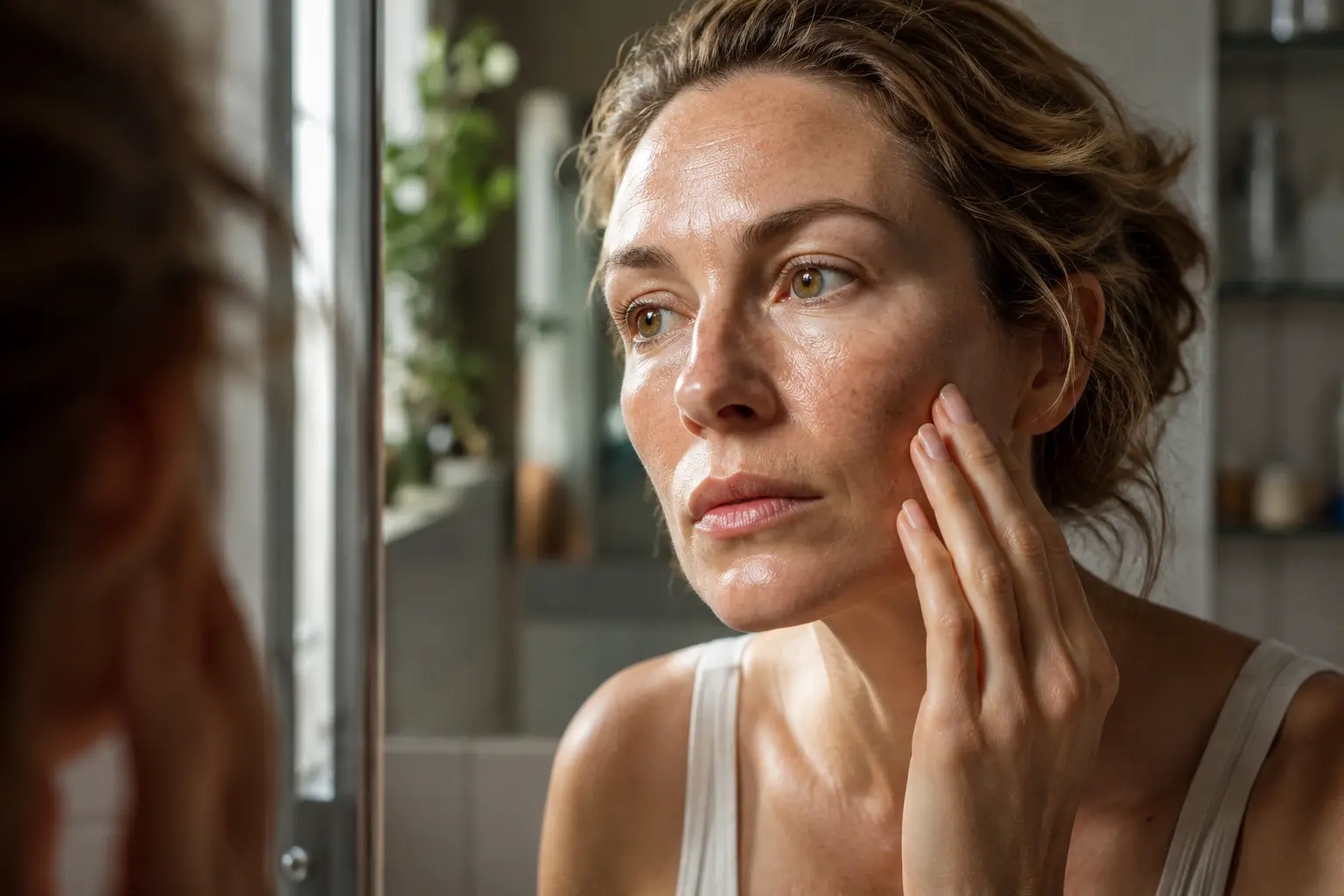
You’re staring at your reflection and noticing those stubborn spots, fine lines, and uneven texture that screams sun damage, and it hits you that years of beach days without proper protection are finally catching up, but the good news is that plenty of young adults are already turning their sun damage repair routine into a total skin transformation.
Recognizing the sun’s wrath
Most of us didn’t think twice about sun protection in our teens and early twenties. You’d spend entire summers at the beach, catch rays on your lunch break, or drive with the windows down without a second thought about SPF. But then one day you notice something different. Maybe it’s a cluster of brown spots on your cheekbones, or fine lines that seem to have appeared overnight. That’s when reality sets in. The sun’s damage isn’t just cosmetic either. Premature aging, hyperpigmentation, rough texture, and the serious risk of skin cancer are all consequences of unprotected sun exposure. The truth is, by the time you see visible damage, years of UV radiation have already altered your skin at a cellular level. Understanding this isn’t meant to scare you but to empower you to take action now.
- Protective measures like sunscreen and hats are crucial for preventing further damage
- Regular skin checks are essential for detecting early signs of damage and changes
- Explore dermatologist-approved treatments for effective repair and restoration
Reversing the damage: real stories
Consider Sarah, a 26-year-old who spent her college years working outdoor summer jobs without proper sun protection. By her mid-twenties, she had noticeable sun spots and rough patches on her shoulders and chest. Instead of accepting it, she committed to a consistent routine combining daily SPF 30 moisturizer, a vitamin C serum in the mornings, and a retinol product at night. Within three months, her skin texture improved noticeably. The spots didn’t disappear overnight, but they faded significantly. Or take Marcus, who realized his sun damage during a video call when he noticed uneven skin tone on his face. He started using a gentle exfoliating acid toner twice weekly and added a hydrating serum with niacinamide. After six months of consistency, his skin looked more even and radiant. These aren’t miracle stories, but they show what dedication and the right products can actually achieve.
💬 Ready to feel better in 2 minutes?choose where to begin:
Embracing a new routine
The real shift happens when you stop seeing your sun damage repair routine as a chore and start viewing it as self-care that actually matters. It’s not just about slapping on products. It’s about understanding what your skin needs at different times. Morning routines might include a gentle cleanser, vitamin C serum to fight free radicals, moisturizer, and broad-spectrum sunscreen. Evenings are when you can introduce more active ingredients like retinol or AHAs that help cell turnover and fade sun damage over time. Hydration becomes non-negotiable. Many young adults discover that adding a hydrating serum or essence before their moisturizer makes a huge difference in how their skin responds to treatment. You’re also learning to listen to your skin, adjusting products based on seasons, stress levels, and how your skin is actually responding rather than following generic advice.
Celebrating progress and self-care
There’s something powerful about looking in the mirror after weeks or months of consistent skincare and actually noticing improvement. Maybe that sun spot is lighter. Maybe your skin feels smoother. Maybe you’re getting compliments on how glowing you look. These moments matter because they reinforce that you’re doing something good for yourself. The journey toward repairing sun damage becomes less about vanity and more about respect for your body. Young adults are reframing their skincare routines as acts of self-love and investment in their long-term health. You’re not just trying to look better today, you’re protecting yourself from future damage and showing up for your skin with intention. That shift in mindset transforms the whole experience from feeling like an obligation into something you actually want to do.
Young adults are facing the reality of sun damage and taking proactive steps to repair their skin. By acknowledging the sun’s impact, embracing new routines, and celebrating progress, they are on a transformative journey towards healthier, glowing skin.
Are over-the-counter products effective for repairing sun damage?
While some OTC products can help improve sun-damaged skin, consulting a dermatologist for personalized treatment options is recommended for best results.
How long does it take to see results from a sun damage repair routine?
Results vary depending on the severity of the damage and individual skin characteristics. Consistent use of recommended products and practices can lead to visible improvements over time.
Others also read:
Disclaimer: This article is for informational purposes only and is not a substitute for professional medical advice. Always consult a healthcare professional for personal guidance.
This article presents an experience-based perspective and has been reviewed by the GlobalHealthBeacon editorial team in 2026. It provides structured, evidence-based information to support informed health decisions.
