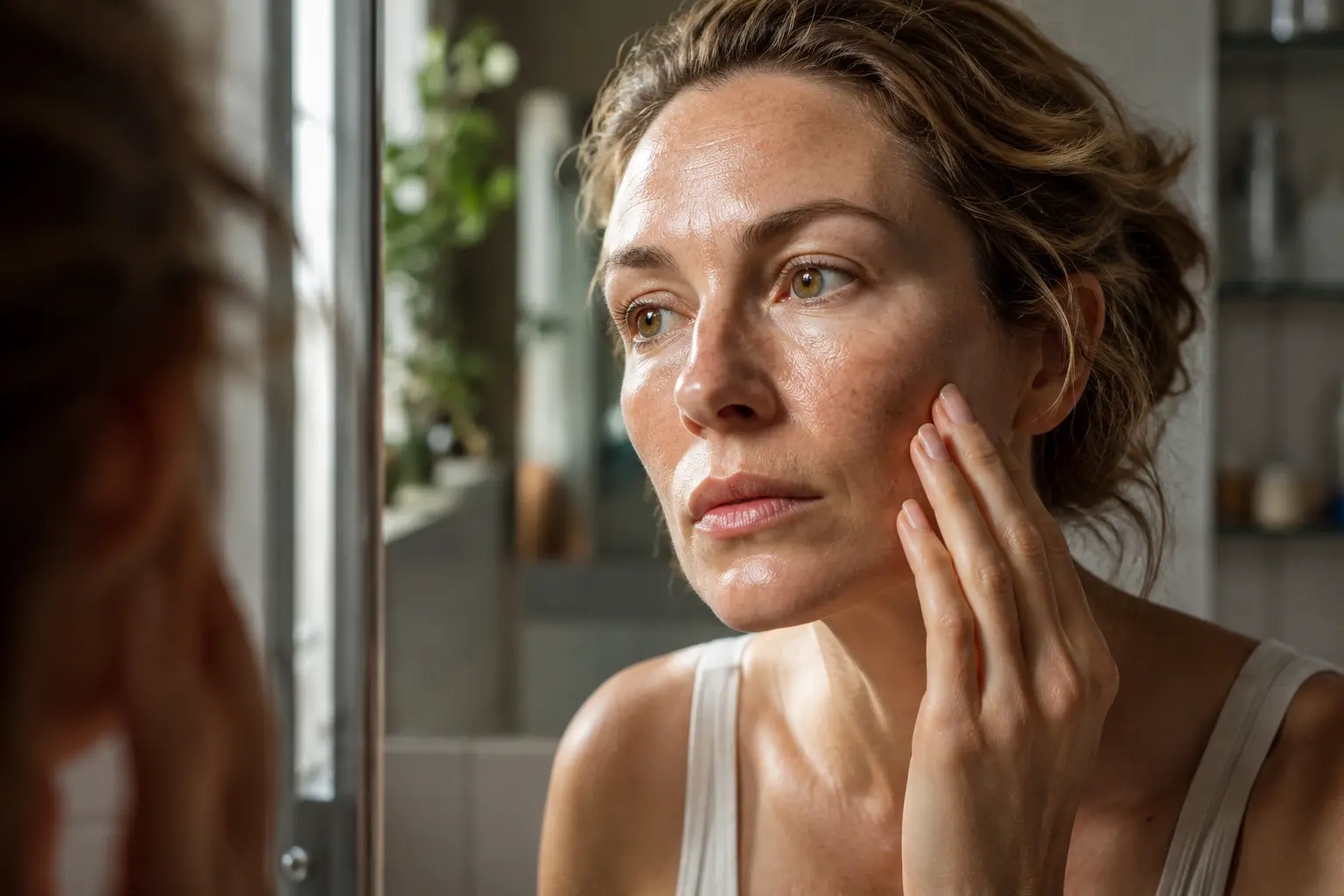
Those brown spots, leathery texture, and fine lines staring back at you in the mirror are screaming that decades of sun exposure have finally caught up, but here’s what nobody tells you: a solid sun damage repair routine can actually turn things around in ways you didn’t think possible.
Revive your skin with proper sun damage repair routine
Think of repairing sun damage like rebuilding a house after years of weather wear. You wouldn’t just paint over the cracks, right? The same goes for your skin. A real sun damage repair routine starts with gentle exfoliation, maybe two to three times weekly, to slough away those dead surface cells that make your skin look dull and tired. Then comes the hydrating masks, which feel like giving your skin a tall glass of water after a long drought. I’ve watched countless people apply a nourishing mask once a week and suddenly notice their skin feels plump again. Follow that up with serums packed with antioxidants like vitamin C or niacinamide, which work beneath the surface to fight the free radicals that sun exposure creates. The key isn’t doing everything at once, but building a rhythm you’ll actually stick with. Most people see real changes within six to eight weeks when they commit to this sequence.
- Exfoliate regularly to remove dead skin cells and reveal fresh, healthy skin
- Use hydrating masks to replenish moisture and improve skin texture
- Apply serums with antioxidants to combat free radicals and promote skin healing
Protective measures for future sun exposure
Once you’ve started healing your skin, the next step is making sure you don’t undo all that work by going back out into the sun unprotected. This isn’t about becoming a hermit. It’s about being smart. Sunscreen should become as routine as brushing your teeth, and I mean every single day, even on cloudy days when you think the sun can’t reach you. Peak sun hours, typically between ten in the morning and four in the afternoon, are when UV rays are strongest. During those times, seek shade whenever possible. A wide-brimmed hat and sunglasses aren’t just fashion statements for seniors, they’re protective gear. I know someone who started wearing a UV-protective long-sleeve shirt while gardening and noticed her sun damage stopped getting worse within months. These protective measures might feel like extra steps, but they’re actually what lock in the progress you’ve made with your skincare routine.
💬 Ready to feel better in 2 minutes?choose where to begin:
Healthy diet and hydration for skin repair
Your skin repairs itself from the inside out, and what you eat matters more than most people realize. A diet rich in antioxidants, like berries, leafy greens, and fatty fish, gives your skin the raw materials it needs to heal. Think of it as feeding your cells what they’re hungry for. Hydration is equally crucial. When you’re dehydrated, your skin becomes more fragile and less able to regenerate damaged cells. Drinking water throughout the day keeps your skin supple and helps flush out toxins. I’ve noticed that seniors who drink eight to ten glasses of water daily and eat colorful vegetables report that their skin looks fresher and feels more resilient. It’s not glamorous, but consistent hydration and good nutrition create the foundation that makes every skincare product you use work better. Your skin is an organ, and like all organs, it needs proper fuel to function and repair itself.
Consult with a dermatologist for advanced treatment options
Sometimes a solid routine and sun protection aren’t enough, especially if you’re dealing with severe sun damage accumulated over decades. This is where a dermatologist becomes your ally. They can assess the depth of your damage and recommend treatments tailored to your specific situation. Laser therapy uses focused light to stimulate collagen production and fade age spots. Chemical peels dissolve the damaged outer layers to reveal fresher skin beneath. Microdermabrasion physically buffs away damage in a controlled way. A dermatologist can also prescribe topical treatments like tretinoin, which accelerates cell turnover. Many seniors feel nervous about these options, but they’re less invasive than they sound and can deliver results that home routines alone can’t achieve. The consultation itself is valuable because you’ll get a professional assessment of what your skin actually needs rather than guessing.
Achieving sun damage reversal requires a consistent routine of exfoliation, hydration, and antioxidant protection. By incorporating sun protection measures, a healthy diet, and seeking professional guidance when needed, seniors can experience true transformations in their skin’s appearance and health.
Can sun damage be completely reversed?
While complete reversal may not be possible, consistent skincare routines and professional treatments can significantly improve the appearance of sun-damaged skin.
How long does it take to see results from sun damage repair?
Results vary based on the severity of sun damage, but with a diligent skincare regimen, noticeable improvements can be seen within a few weeks to months.
Others also read:
Disclaimer: This article is for informational purposes only and is not a substitute for professional medical advice. Always consult a healthcare professional for personal guidance.
This article presents an experience-based perspective and has been reviewed by the GlobalHealthBeacon editorial team in 2026. It provides structured, evidence-based information to support informed health decisions.
