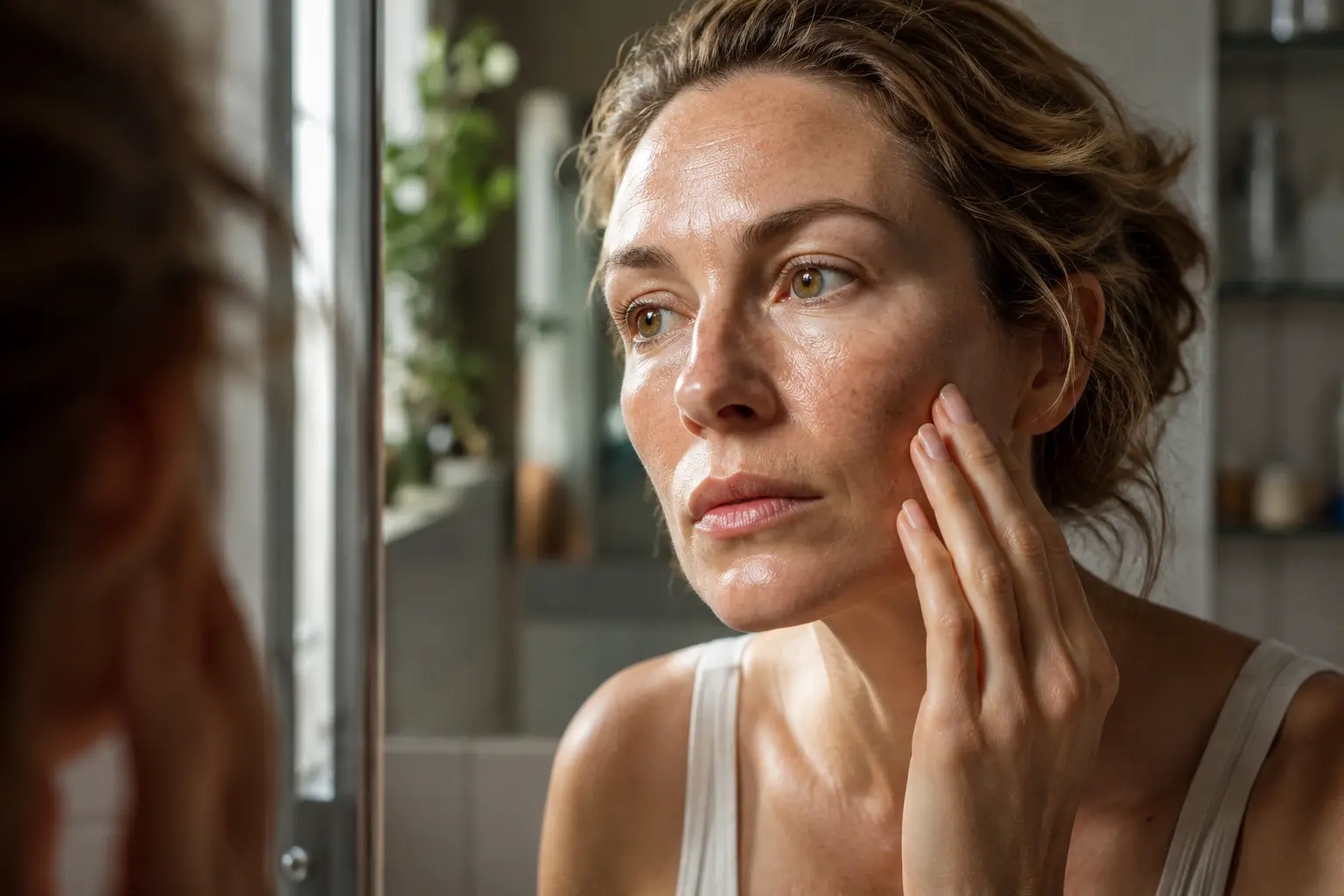
You catch your reflection in the mirror after a beach weekend and feel that sinking feeling: dark spots you didn’t have before, texture that’s suddenly rough, and fine lines that seem deeper than yesterday, which is exactly why building a sun damage repair routine isn’t just skincare talk anymore, it’s survival.
Understanding the impact of sun damage
Sun damage is sneaky because it doesn’t announce itself all at once. You might notice a few freckles here, some roughness there, and suddenly you’re wondering when your skin started looking tired. The truth is, every unprotected sun exposure adds up over time. UV rays penetrate deep into your skin’s layers, breaking down collagen and elastin that keep your skin firm and bouncy. Think of it like tiny invisible daggers hitting your skin cells. Beyond wrinkles and sagging, sun damage can trigger hyperpigmentation, creating dark spots that cluster around your cheeks, forehead, and hands. The scariest part? UV radiation actually damages the DNA inside your skin cells, which is why dermatologists take sun protection so seriously. It’s not just about vanity; it’s about preventing serious skin conditions down the road.
- Sun exposure breaks down collagen and elastin, leading to wrinkles and sagging.
- UV radiation can cause DNA damage in skin cells, increasing the risk of skin cancers.
- Hyperpigmentation and sunspots are common signs of sun damage that can be difficult to remedy.
Building an effective sun damage repair routine
Starting a sun damage repair routine doesn’t mean overhauling your entire bathroom cabinet overnight. Begin by introducing one targeted product at a time so you can see what actually works for your skin. Vitamin C serums are game-changers because they neutralize free radicals and brighten dark spots over weeks of consistent use. Niacinamide is another powerhouse ingredient that strengthens your skin barrier while reducing inflammation from past sun exposure. Apply these in the morning before your moisturizer, then always, always follow with SPF 30 or higher. At night, add a retinol product to your routine, which accelerates cell turnover and helps fade discoloration. Many women see noticeable improvements in texture and tone within six to eight weeks of this consistent approach. The key is patience and not expecting overnight miracles.
💬 Ready to feel better in 2 minutes?choose where to begin:
Embracing skin-boosting treatments
When your at-home routine hits a plateau, professional treatments can push your results further. Chemical peels work by dissolving the top layer of damaged skin, revealing fresher skin underneath and fading stubborn sunspots that topical products alone can’t touch. Microdermabrasion uses tiny crystals to physically exfoliate away damaged cells, improving texture and reducing the appearance of fine lines caused by sun exposure. Laser therapy is more intensive but incredibly effective for deep pigmentation issues and collagen remodeling. Many women find that combining treatments, like a chemical peel followed by laser sessions spaced weeks apart, gives the best outcomes. These procedures do require downtime and sun protection afterward, but the results can be transformative. Talk to a dermatologist about which option matches your skin type and damage severity.
The power of consistency and patience
Here’s what separates women who see real results from those who give up: showing up for your skin even when progress feels invisible. Repairing sun damage is genuinely a slow process because your skin cells need time to turn over and new, healthier cells need to surface. You might not see change for four to six weeks, which is exactly when many people quit. But if you stick with your routine, apply sunscreen daily without fail, and give treatments time to work, your skin will transform. The women who share their sun damage repair wins consistently say the same thing: they stopped expecting instant fixes and started trusting the process. Your skin is resilient and wants to heal; you just have to give it the right tools and the time to do it.
Sun damage is more than skin deep, impacting your skin’s health and appearance. By understanding the impact, building a targeted routine, embracing treatments, and staying consistent, you can repair and rejuvenate your skin for a brighter, healthier complexion.
Can sun damage be reversed completely?
While it’s possible to improve sun damage with skincare routines and treatments, complete reversal is challenging. Consistent care and protection are key to minimizing its effects.
How long does it take to see results from sun damage repair treatments?
Results from sun damage repair treatments can vary depending on the severity of the damage and the chosen interventions. It may take several weeks to months to notice significant improvements.
Others also read:
Disclaimer: This article is for informational purposes only and is not a substitute for professional medical advice. Always consult a healthcare professional for personal guidance.
This article presents an experience-based perspective and has been reviewed by the GlobalHealthBeacon editorial team in 2026. It provides structured, evidence-based information to support informed health decisions.
