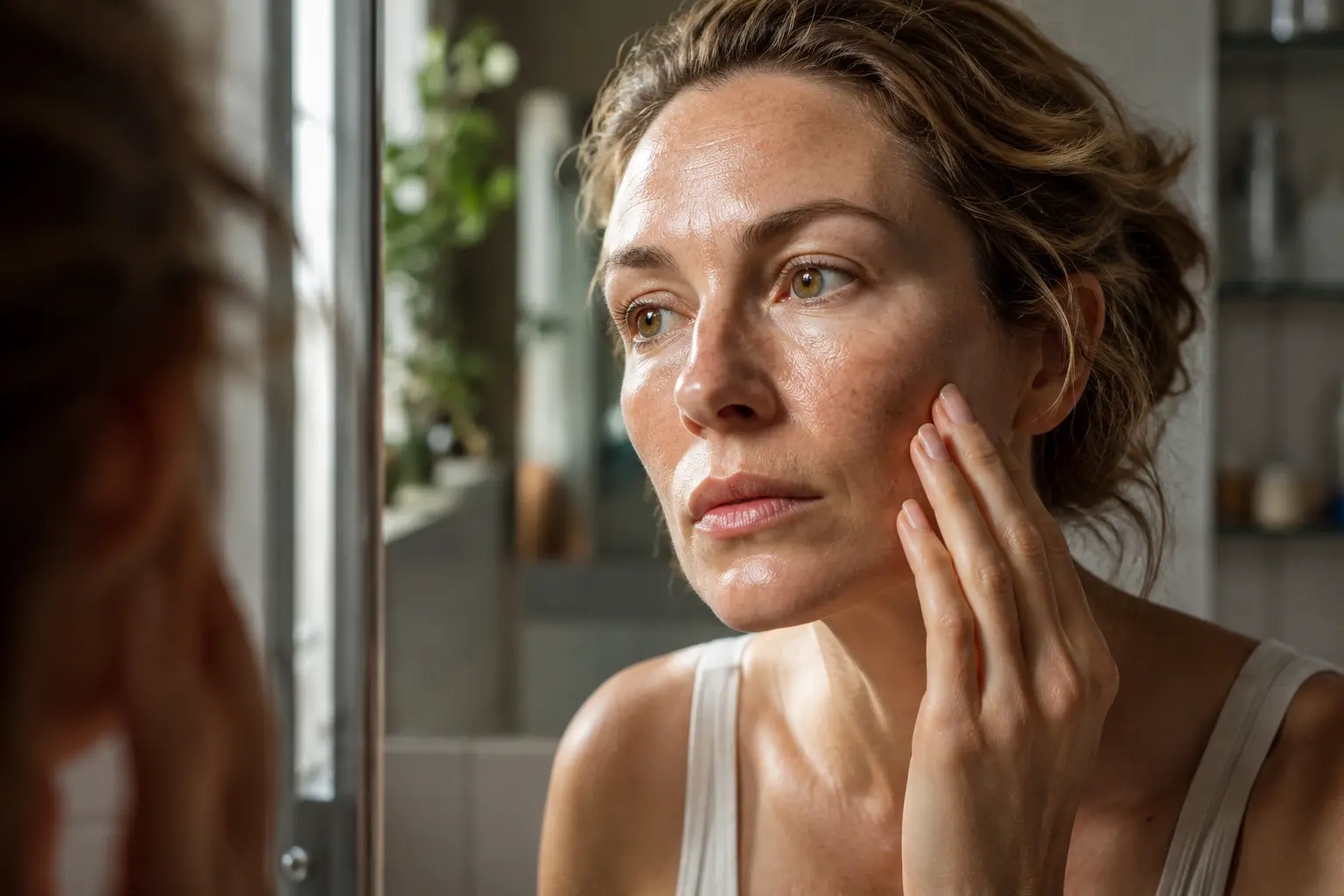
Your skin feels tight, looks uneven, and those sun-damaged spots just won’t fade no matter what you try – but here’s what’s actually happening beneath the surface and why your sun damage repair routine needs to work with your body’s natural healing process, not against it.
The impact of sun damage on skin cells
When UV rays penetrate the skin, they trigger a cascade of reactions that damage the DNA within skin cells. Picture this: you spend a weekend at the beach without proper protection, and those invisible ultraviolet rays are essentially creating microscopic breaks in the genetic code of your skin cells. This damage can lead to mutations and contribute to premature aging, pigmentation issues, and even skin cancer. The process happens at the cellular level, where keratinocytes and melanocytes bear the brunt of the assault. Young adults often underestimate this damage because the effects aren’t immediately visible. You might feel sunburned for a few days, but the real damage continues working at the DNA level for weeks afterward. Some cells attempt to repair themselves, while others become permanently altered, leading to those stubborn age spots or rough patches that appear months later.
Skin repair mechanisms at work
Our skin has built-in repair mechanisms that kick into action post sun exposure, working like an internal rescue team. Cells called keratinocytes begin to proliferate to replace damaged skin cells, essentially creating new layers to push out the damaged ones. Meanwhile, melanocytes produce melanin to shield underlying skin layers from further harm, which is why you tan. Think of melanin as your skin’s natural sunscreen, though it’s not enough to prevent damage entirely. This repair process involves complex signaling between cells, where damaged cells communicate with healthy ones to coordinate the healing response. Fibroblasts, the cells responsible for collagen production, also spring into action to strengthen the skin’s structure. However, this natural repair system has limits. If sun damage is severe or repeated, these mechanisms can become overwhelmed, leading to incomplete repairs and accumulated cellular damage over time.
Supporting skin repair naturally
While your body handles the heavy lifting internally, you can support these natural repair processes through strategic lifestyle choices. Hydration is foundational because skin cells need water to function optimally and carry out repair processes efficiently. When you’re dehydrated, your skin becomes more vulnerable to further damage and repairs happen more slowly. Antioxidants work by neutralizing free radicals, the unstable molecules created by UV exposure that cause additional cellular damage. Including foods rich in antioxidants like berries, nuts, and green leafy vegetables in your diet gives your cells the tools they need to repair themselves. Sunscreen acts as a critical barrier, preventing new damage while your skin heals from existing damage. Without this protection, you’re essentially asking your repair mechanisms to work while new damage continues accumulating. Many young adults skip this step thinking their skin is resilient enough, but consistent sun protection is what actually allows the repair process to catch up and show visible results.
- Hydrate by drinking 8-10 glasses of water daily to support cellular repair functions.
- Incorporate antioxidant-rich foods into your meals, such as blueberries, spinach, and almonds.
- Apply sunscreen with at least SPF 30 every morning, even on cloudy days.
🔬 Science-backed benefits in 2 minuteschoose where to begin:
The role of collagen in skin repair
Collagen, a vital protein in our skin, plays a crucial role in skin repair by providing structural support and elasticity. Think of collagen as the scaffolding that holds your skin together and keeps it firm and youthful. UV exposure depletes collagen levels through a process called photoaging, where UV rays break down existing collagen and inhibit new collagen formation. This leads to wrinkle formation and sagging skin that becomes increasingly noticeable in your thirties and beyond. When you’re young, your body produces collagen efficiently, but sun damage accelerates its breakdown. Including collagen-boosting foods like bone broth and citrus fruits can aid in skin repair by providing amino acids and vitamin C, which are essential for collagen synthesis. Some young adults also benefit from topical retinoids, which stimulate collagen production at the cellular level. The key is understanding that collagen repair takes time, typically several months of consistent effort before you see significant improvements in skin texture and firmness.
Preventative measures for future sun damage
Apart from repair, prevention is genuinely the most powerful tool you have at your disposal. By wearing protective clothing like UV-blocking shirts and hats, seeking shade during peak sun hours between 10 AM and 4 PM, and avoiding midday sun exposure, you can reduce the risk of further sun damage and support your skin’s natural repair processes. Young adults often think prevention is only for older people, but starting now means you’re preventing decades of accumulated damage. Consider that every sunburn or unprotected sun exposure adds to your skin’s damage load, making future repairs harder and less effective. Wearing sunglasses protects the delicate eye area, which is particularly vulnerable to sun damage. Reapplying sunscreen every two hours, especially after swimming or sweating, maintains consistent protection. Some people use mineral sunscreens with zinc oxide or titanium dioxide, which sit on top of the skin and reflect UV rays, while others prefer chemical sunscreens that absorb rays. The best sunscreen is the one you’ll actually use consistently.
Seek professional help when needed
In cases of severe sun damage or concerning skin changes, consulting a dermatologist is crucial for proper evaluation and treatment. They can provide tailored treatment plans, such as laser therapy or prescription medications, to address specific skin concerns effectively. Laser treatments work by removing damaged outer layers of skin or stimulating collagen production beneath the surface. Chemical peels use acids to exfoliate damaged skin cells, revealing fresher skin underneath. Microdermabrasion physically removes the outer layer of dead skin cells. Professional treatments can accelerate the repair process significantly, sometimes showing results in weeks rather than months. A dermatologist can also identify precancerous lesions or other concerning changes that require immediate attention. Young adults with significant sun damage shouldn’t feel embarrassed about seeking professional help; early intervention can prevent more serious skin conditions from developing. Your dermatologist can also recommend prescription-strength topical treatments like tretinoin, which is far more potent than over-the-counter retinoids for stimulating skin repair.
Understanding the impact of sun damage on skin cells, the natural repair mechanisms at work, and ways to support skin repair through hydration, antioxidants, and sunscreen application is vital for young adults looking to reverse sun damage naturally. Prevention through consistent sun protection is equally important, as it allows your body’s repair systems to catch up without new damage accumulating. When needed, professional dermatological treatments can accelerate the healing process.
Can Sunscreen Alone Repair Sun-Damaged Skin?
While sunscreen is essential for preventing further damage, it cannot reverse existing sun damage. It primarily acts as a protective barrier against UV rays, allowing the skin to repair itself over time. Think of it as stopping the bleeding before you can heal the wound. To actually repair existing damage, you need to combine sunscreen with other strategies like antioxidants, hydration, and potentially professional treatments.
How Long Does It Take for Skin to Repair Itself After Sun Damage?
The skin’s repair process varies based on the extent of sun damage. In mild cases, the skin can repair itself within a week, while more severe damage may take several weeks to months for noticeable improvement. Superficial damage like minor redness typically resolves quickly, but deeper damage affecting collagen can take three to six months to show visible improvement. Consistency matters more than speed; maintaining your sun damage repair routine throughout this period yields the best results.
Others also read:
Disclaimer: This article is for informational purposes only and is not a substitute for professional medical advice. Always consult a healthcare professional for personal guidance.
This article has been prepared and reviewed by the GlobalHealthBeacon editorial team and is based on current medical research and published scientific literature available in 2026. It provides structured, evidence-based information to support informed health decisions.
