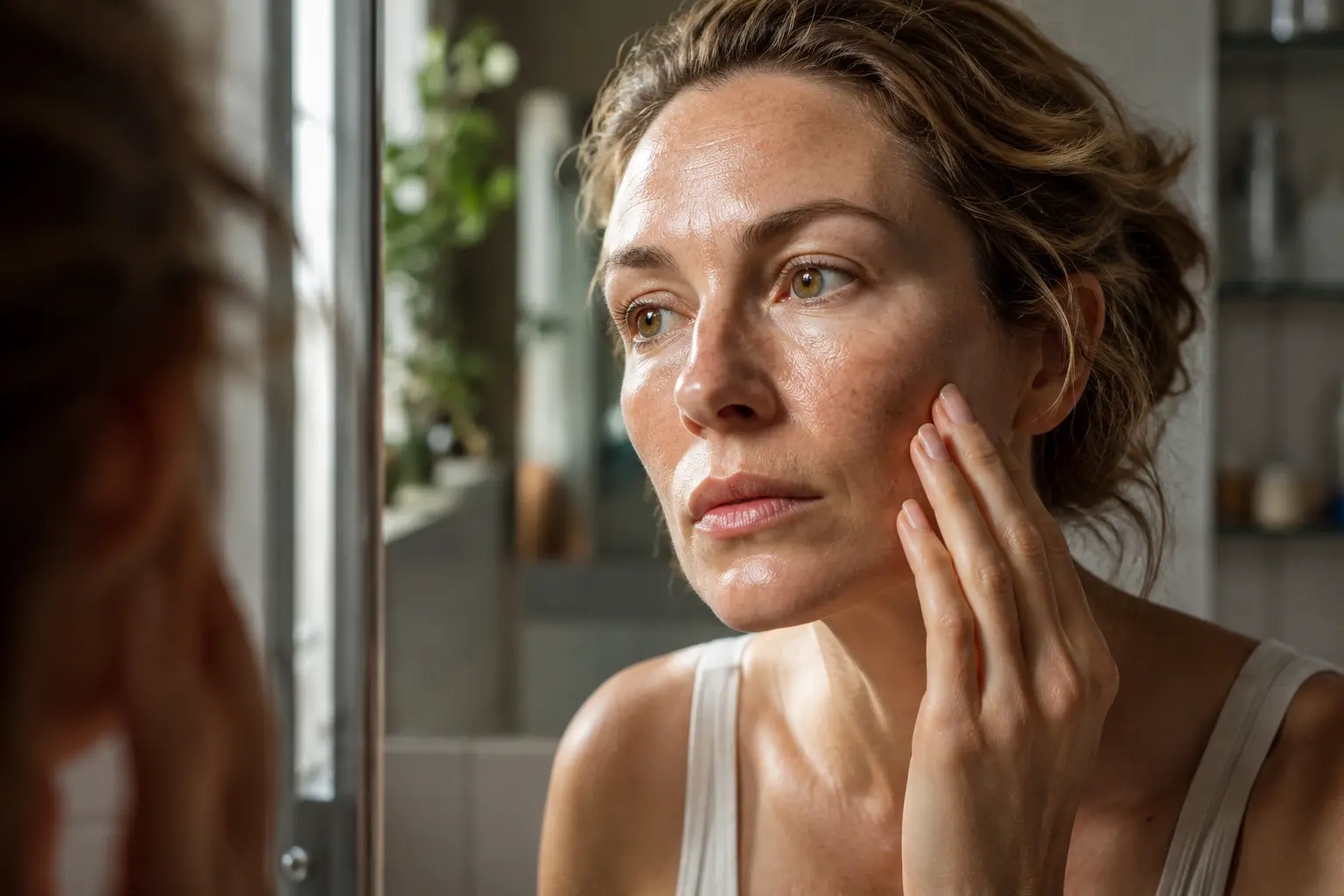
You catch your reflection in the mirror and there it is again, those stubborn dark spots and rough patches screaming back at you, reminding you of every beach day you didn’t wear enough sunscreen, and suddenly you realize you need a real sun damage repair routine that actually works.
Effective sun damage repair products
I spent months scrolling through skincare aisles feeling completely overwhelmed until I finally tested products with vitamin C and hyaluronic acid, and honestly, the difference was noticeable. Picture this: you apply a vitamin C serum in the morning, and within weeks those brownish spots start looking less angry, less prominent. The hyaluronic acid keeps everything hydrated so your skin doesn’t feel tight and irritated. I tried serums from different brands, some expensive, some budget-friendly, and what mattered most was consistency. One friend of mine skipped just two weeks of her routine and watched the progress fade. The key is treating it like brushing your teeth, not something optional. Start with one product, give it at least four to six weeks, then layer in exfoliating acids like glycolic or lactic acid if your skin tolerates it. Many young adults make the mistake of throwing everything at their skin at once, which backfires spectacularly.
- Look for products with SPF for daily protection against further damage.
- Incorporate exfoliating acids like glycolic or lactic acid for smoother skin.
- Consistency is key – apply your sun damage repair products daily for visible improvements.
Healthy lifestyle changes
Here’s what nobody tells you: the best sun damage repair routine happens inside your body first. I noticed real changes when I stopped treating water like an afterthought and actually started drinking enough daily. Your skin cells need hydration to regenerate properly, and dehydrated skin makes sun damage look ten times worse. Then there’s food. I started eating more blueberries, spinach, and salmon, basically anything with antioxidants, and my skin tone evened out faster than any product alone could do. Sleep matters too, way more than most young adults realize. When I was pulling all-nighters, my skin looked dull and inflamed, which made those sun spots even more visible. But when I committed to seven to eight hours consistently, my skin looked brighter and the repair products actually worked better. Think of it like this: skincare products are the treatment, but your lifestyle is the foundation everything sits on.
💬 Ready to feel better in 2 minutes?choose where to begin:
Professional treatments
After months of at-home routines, I decided to see a dermatologist because I wanted faster results for an upcoming event. She explained that chemical peels and laser therapy work differently than topical products, penetrating deeper into skin layers where the damage really lives. I did a light chemical peel first, which felt intense but not unbearable, and the results were visible within days. Some of my friends went straight to laser therapy and saw more dramatic fading of their sun spots. The catch is that these treatments require professional guidance, proper aftercare, and sometimes multiple sessions. A dermatologist can assess your specific damage and skin type to recommend what makes sense for you. Many young adults hesitate because they think it’s too expensive or extreme, but when you calculate the cost of endless skincare products over years, professional treatment sometimes makes financial sense too.
The importance of sun protection
I learned this lesson the hard way after spending thousands on repair products only to get more sun damage because I was lazy about prevention. Prevention genuinely is cheaper and easier than repair, though it sounds boring when you say it out loud. SPF 30 minimum, every single day, even when it’s cloudy, even when you’re just running errands. I use a moisturizer with SPF in the morning and reapply if I’m outside for hours. Protective clothing sounds dorky until you realize a lightweight long-sleeve shirt or a wide-brimmed hat keeps you cooler and protects your skin simultaneously. Peak sun hours between ten in the morning and four in the afternoon are when UV rays hit hardest, so I try to plan outdoor activities around that window. One friend of mine switched to a UV-blocking sunglasses and hat combo and noticed her face stayed noticeably clearer than before. The frustrating truth is that all the sun damage repair in the world means nothing if you keep getting new damage.
Effective sun damage repair requires a combination of targeted skincare products, lifestyle changes, and professional treatments. Consistency, sun protection, and a healthy routine are key to reversing the signs of sun damage.
Can sun damage be completely reversed?
While it’s possible to significantly improve sun damage with the right skincare products and treatments, complete reversal may not be achievable. Consistent care and sun protection are essential for maintaining results.
How long does it take to see results from sun damage repair products?
Results from sun damage repair products can vary based on individual skin types and the severity of damage. However, with consistent use, improvement in skin texture and tone can be noticeable within a few weeks to months.
Others also read:
Disclaimer: This article is for informational purposes only and is not a substitute for professional medical advice. Always consult a healthcare professional for personal guidance.
This article presents an experience-based perspective and has been reviewed by the GlobalHealthBeacon editorial team in 2026. It provides structured, evidence-based information to support informed health decisions.
