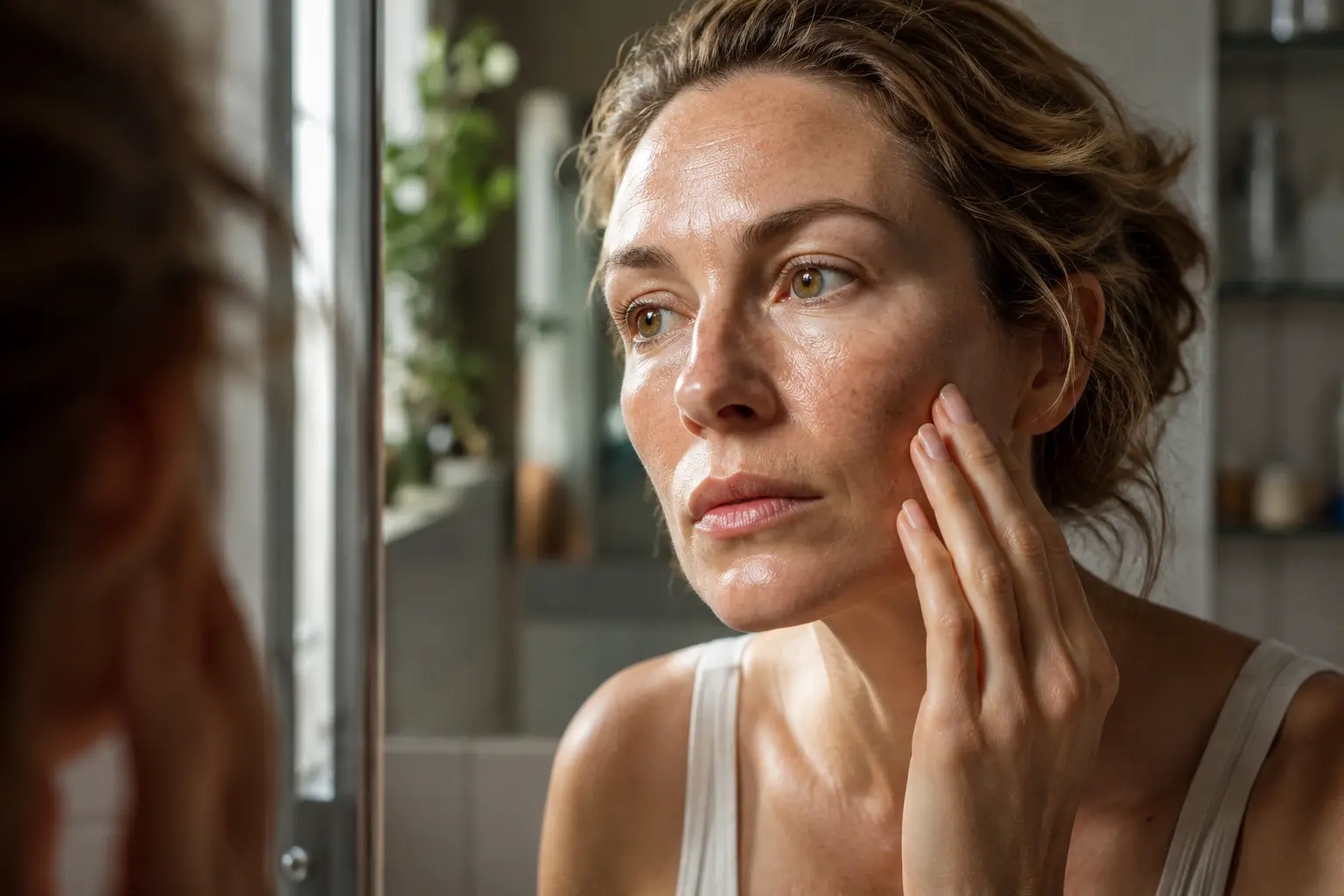
Your skin looks tired, spotted, and leathery from decades of sun exposure, and no amount of moisturizer seems to fix it, but here’s what actually works in a real sun damage repair routine that delivers visible change.
Choosing the right ingredients
The skincare aisle can feel overwhelming when you’re trying to reverse years of sun damage. Start by understanding what each ingredient actually does for aging skin. Retinol works by encouraging your skin cells to turn over faster, which means the damaged outer layers shed and reveal fresher skin beneath. Vitamin C is a powerhouse antioxidant that not only brightens dull, sun-damaged complexions but also protects against future damage by neutralizing free radicals. Hyaluronic acid acts like a sponge, drawing moisture deep into the skin and plumping fine lines so they appear less noticeable. A practical approach: begin with one active ingredient, use it consistently for six to eight weeks, then assess results before adding another. Many people make the mistake of combining too many actives at once, which irritates mature skin and causes redness or sensitivity. Start with a low concentration of retinol (0.25 to 0.5%) and gradually increase as your skin builds tolerance. Look for products specifically formulated for mature skin, as these tend to include additional nourishing ingredients that prevent the dryness retinol can cause.
- Retinol stimulates collagen production for firmer skin.
- Vitamin C brightens skin tone and reduces hyperpigmentation.
- Hyaluronic acid hydrates and plumps the skin, diminishing the look of sunspots.
Protecting your skin daily
Prevention is just as important as repair, especially once you’ve invested time in improving your skin. Sunscreen is non-negotiable, but many seniors skip it because they think their sun-exposure days are behind them. The truth is that cumulative UV exposure continues to damage skin, and even brief daily exposure adds up over time. Choose a broad-spectrum sunscreen with SPF 30 or higher, and apply it generously to your face, neck, ears, and the backs of your hands, which are often forgotten but show age quickly. A common mistake is applying sunscreen once in the morning and assuming you’re protected all day. Reapply every two hours, or immediately after swimming or sweating. If you wear makeup, consider a powder sunscreen for touch-ups throughout the day, as it’s easier than reapplying liquid formulas over foundation. For seniors who spend time outdoors, wearing a wide-brimmed hat and lightweight long sleeves provides additional protection without relying solely on sunscreen. Think of sun protection as an investment in your repair efforts, because without it, you’re fighting a losing battle against new damage forming while you’re trying to heal old damage.
📘 Fix your day in under 2 minuteschoose where to begin:
Adopting a healthy lifestyle
What you put inside your body shows up on your skin, and this becomes even more apparent as you age. Antioxidant-rich foods like berries, leafy greens, and fatty fish contain compounds that support your skin’s natural repair mechanisms from within. Imagine your skin cells as tiny factories; they need proper fuel and hydration to function optimally. Drinking adequate water helps maintain skin elasticity and allows your skin to flush out toxins more effectively. Most seniors need about eight glasses daily, though individual needs vary based on activity level and climate. Smoking is particularly damaging for mature skin because it reduces blood flow to the skin, accelerates collagen breakdown, and creates a dull, leathery appearance that compounds sun damage. If you smoke, quitting is one of the single most impactful changes you can make for your skin’s appearance. Sleep quality also matters; during deep sleep, your body increases blood flow to the skin and rebuilds collagen. Aim for seven to nine hours nightly. Consider adding foods rich in vitamin C, omega-3 fatty acids, and zinc to your diet, as these directly support skin healing and regeneration.
Professional treatments and procedures
Sometimes a solid skincare routine needs backup from professional treatments, especially for stubborn sun damage that’s been accumulating for decades. Chemical peels use controlled acid solutions to remove damaged outer skin layers, revealing smoother, more even-toned skin underneath. A light peel can be done during a lunch break with minimal downtime, while deeper peels require more recovery time but deliver more dramatic results. Microdermabrasion works similarly but uses tiny crystals or a diamond tip to physically exfoliate the skin, making it effective for texture issues and mild discoloration. Laser therapy targets deeper damage by stimulating collagen production and breaking up pigmented spots. Many seniors see significant improvement after a series of laser treatments spaced several weeks apart. Before pursuing any procedure, consult with a dermatologist who can assess your specific skin type and damage pattern to recommend the most suitable option. A realistic example: a 68-year-old with significant sun spots and rough texture might benefit from a combination approach, starting with a light chemical peel followed by laser treatments and then maintaining results with a strong at-home routine. Professional treatments work best when paired with consistent skincare, as they accelerate repair but don’t replace daily maintenance.
Consistent skincare routine
The most powerful tool you have is consistency, yet many people abandon their routine after a few weeks because they don’t see immediate results. Sun damage repair takes time because you’re essentially rebuilding your skin from the inside out. A basic routine for mature, sun-damaged skin should include: a gentle cleanser that doesn’t strip moisture, a hydrating toner or essence, an active treatment product like retinol or vitamin C serum, a nourishing moisturizer, and daily sunscreen. In the evening, you can layer your active ingredients; in the morning, keep it simple with cleanser, moisturizer, and sunscreen. Many seniors make the mistake of over-cleansing or using products that are too harsh, which damages the skin barrier and makes damage appear worse. Your skin barrier is your first line of defense against environmental stressors, so treat it gently. Set a realistic expectation: noticeable improvements typically appear within four to twelve weeks of consistent use, depending on the severity of damage and your skin’s natural healing capacity. Think of your skincare routine as a daily commitment to yourself, similar to taking vitamins or exercising. The cumulative effect of small, consistent actions compounds over time, transforming your skin’s appearance and texture.
Effective sun damage repair requires choosing the right ingredients, protecting your skin daily, following a healthy lifestyle, considering professional treatments, and maintaining a consistent skincare routine.
Can sun damage be reversed completely?
While it’s difficult to reverse sun damage completely, consistent skincare habits and professional treatments can significantly improve the appearance of sun-damaged skin.
How long does it take to see results from sun damage repair routines?
Results from sun damage repair routines vary from person to person, but noticeable improvements can be seen within a few weeks to months of consistent skincare and treatment.
Others also read:
Disclaimer: This article is for informational purposes only and is not a substitute for professional medical advice. Always consult a healthcare professional for personal guidance.
This guide has been prepared and reviewed by the GlobalHealthBeacon editorial team and reflects current medical research as of 2026. It provides structured, evidence-based information to support informed health decisions.
