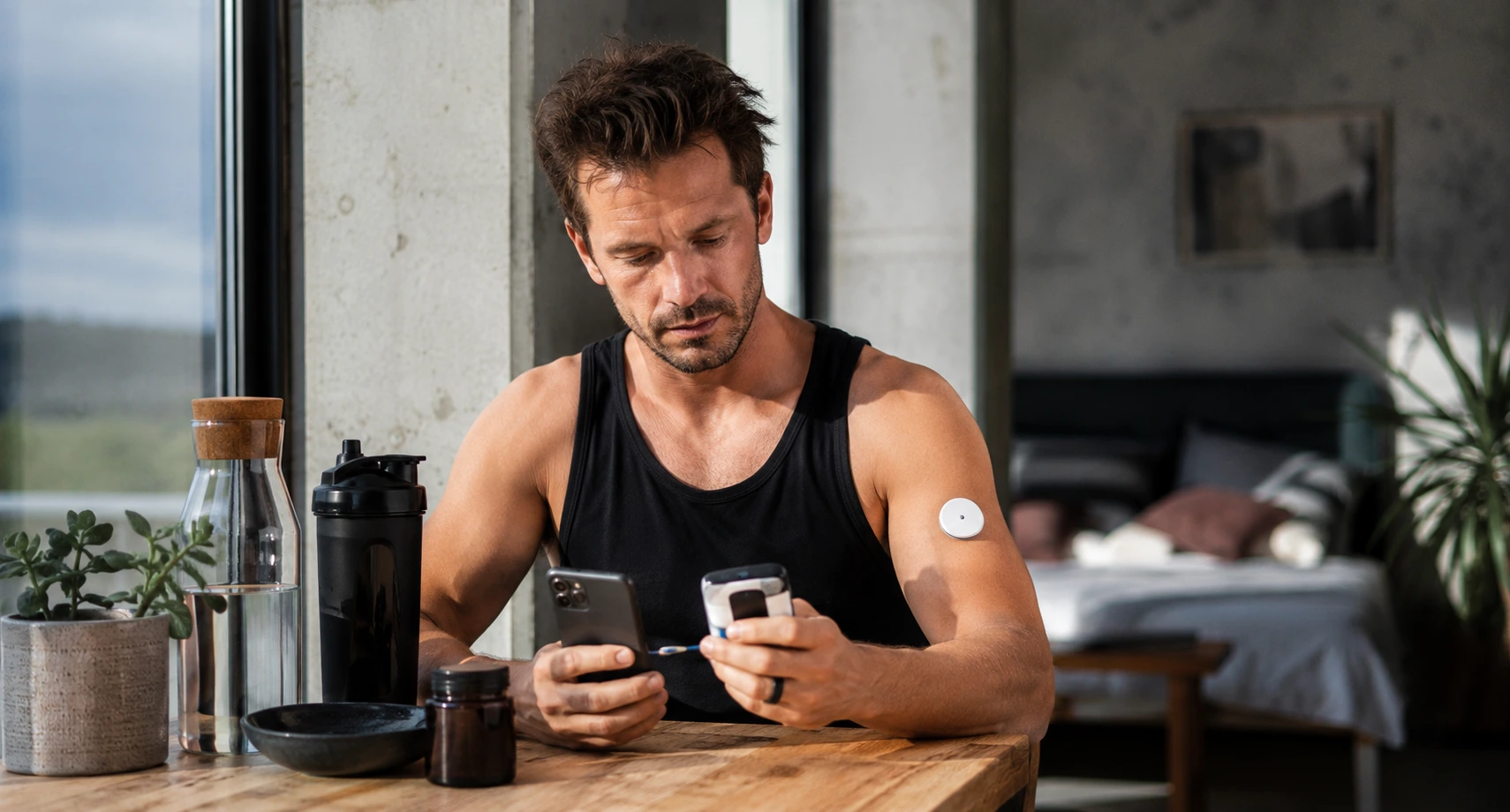
You wake up tired, move through your day in a fog, and wonder if this sluggish feeling is just what getting older means, but what if your biohacking daily routine could actually flip that script and give you back the energy and sharpness you thought were gone for good.
Understanding biohacking benefits
Biohacking sounds complicated, but it’s really just the practice of making intentional changes to how you live so your body and mind work better. Think of it like fine-tuning an engine that’s been running the same way for decades. For seniors, this means small adjustments like adjusting when you eat, how you move, or what you expose your body to can create noticeable shifts in how you feel. A 68-year-old might notice that skipping breakfast and eating within an 8-hour window gives them steadier energy through the afternoon. Another senior finds that a 10-minute cold shower each morning sharpens their thinking for hours. These aren’t radical changes, but they’re backed by how your body actually responds. The key is that biohacking respects your age and experience while giving you concrete tools to reclaim vitality.
- Enhance energy levels naturally
- Improve mental clarity and focus
- Optimize your body’s performance
Getting started with biohacking
Before you try anything new, get honest about what’s bothering you. Are you waking up stiff and sore? Struggling to remember names? Feeling the afternoon crash that makes you want to nap? Write down three specific things you want to change. Maybe it’s better sleep, less inflammation in your knees, or sharper focus during conversations. This clarity matters because biohacking isn’t one-size-fits-all. A senior with joint pain might start with anti-inflammatory eating patterns and light movement, while someone else might focus on sleep quality first. Start with just one change, give it three weeks, and notice what shifts. This methodical approach prevents overwhelm and helps you see what actually works for your body, not what works for someone else on the internet.
📘 Fix your day in under 2 minuteschoose where to begin:
Exploring biohacking techniques
There’s a toolkit of proven techniques worth experimenting with, and the best approach is to try one at a time so you know what’s making a difference. Mindfulness meditation, even just 5 minutes daily, helps seniors manage stress and improve sleep quality. High-intensity interval training adapted for your fitness level, like 20 seconds of brisk walking followed by rest, can boost metabolism without the joint strain of traditional exercise. Nutritional supplements like magnesium or omega-3s address specific gaps many seniors have. Cold exposure, starting small with a 30-second cold rinse at the end of your shower, activates your nervous system in ways that improve resilience. One 72-year-old started with just meditation and noticed her racing thoughts calmed within two weeks. Another added omega-3 supplements and felt less brain fog within a month. The point is to pick one technique that appeals to you, stick with it for at least three weeks, then evaluate honestly before adding something else.
Tracking your progress
You can’t improve what you don’t measure, and tracking doesn’t mean complicated apps or spreadsheets. A simple notebook works perfectly. Each morning, rate your sleep quality on a scale of 1 to 10 and note how you slept, any aches, and your mood when you woke. During the day, jot down your energy levels at key times like mid-morning and after lunch. Notice your mood, focus, and any physical changes like less joint stiffness or clearer thinking. After three weeks of a new biohacking practice, flip back through your notes. Did your sleep improve? Is your 3 p.m. energy crash less severe? Are you thinking more clearly? This real data from your own life is far more valuable than any testimonial online. One senior discovered through tracking that cold showers helped her sleep better, but only when done before 6 p.m. Another found that skipping breakfast worked great until he added strength training, then he needed the fuel. Your journal becomes your personal instruction manual.
Sharing experiences with fellow seniors
Biohacking doesn’t have to be a solo experiment. Finding other seniors who are curious about optimizing their health creates accountability and real learning. Online communities, local wellness groups, or even a small group of friends trying the same practice together all work. When you share what you’re doing and what you’ve noticed, you get honest feedback and ideas you hadn’t considered. One senior mentioned to her book club that she was trying intermittent fasting, and another member shared that she’d had the same success but found it worked better when combined with evening walks. These conversations reveal patterns and help you avoid common pitfalls. You also normalize the idea that aging doesn’t mean decline, it means intentional optimization. The shared experience of trying something new, failing sometimes, adjusting, and succeeding builds confidence and community. You’re not just changing your own health, you’re part of a movement of seniors taking control of how they age.
Discover the world of biohacking and how it can naturally transform your daily routine. By understanding the benefits, getting started, exploring techniques, tracking progress, and sharing experiences, seniors can embrace biohacking for improved health and well-being.
What are some common biohacking techniques for seniors?
Common biohacking techniques for seniors include intermittent fasting, mindfulness meditation, HIIT workouts, nutritional supplementation, and cold exposure therapy.
How can seniors track their progress with biohacking?
Seniors can track their progress with biohacking by keeping a journal to monitor changes in sleep patterns, energy levels, mood, and overall well-being. This helps in fine-tuning the biohacking routine for optimal results.
Others also read:
Disclaimer: This article is for informational purposes only and is not a substitute for professional medical advice. Always consult a healthcare professional for personal guidance.
This guide has been prepared and reviewed by the GlobalHealthBeacon editorial team and reflects current medical research as of 2026. It provides structured, evidence-based information to support informed health decisions.
