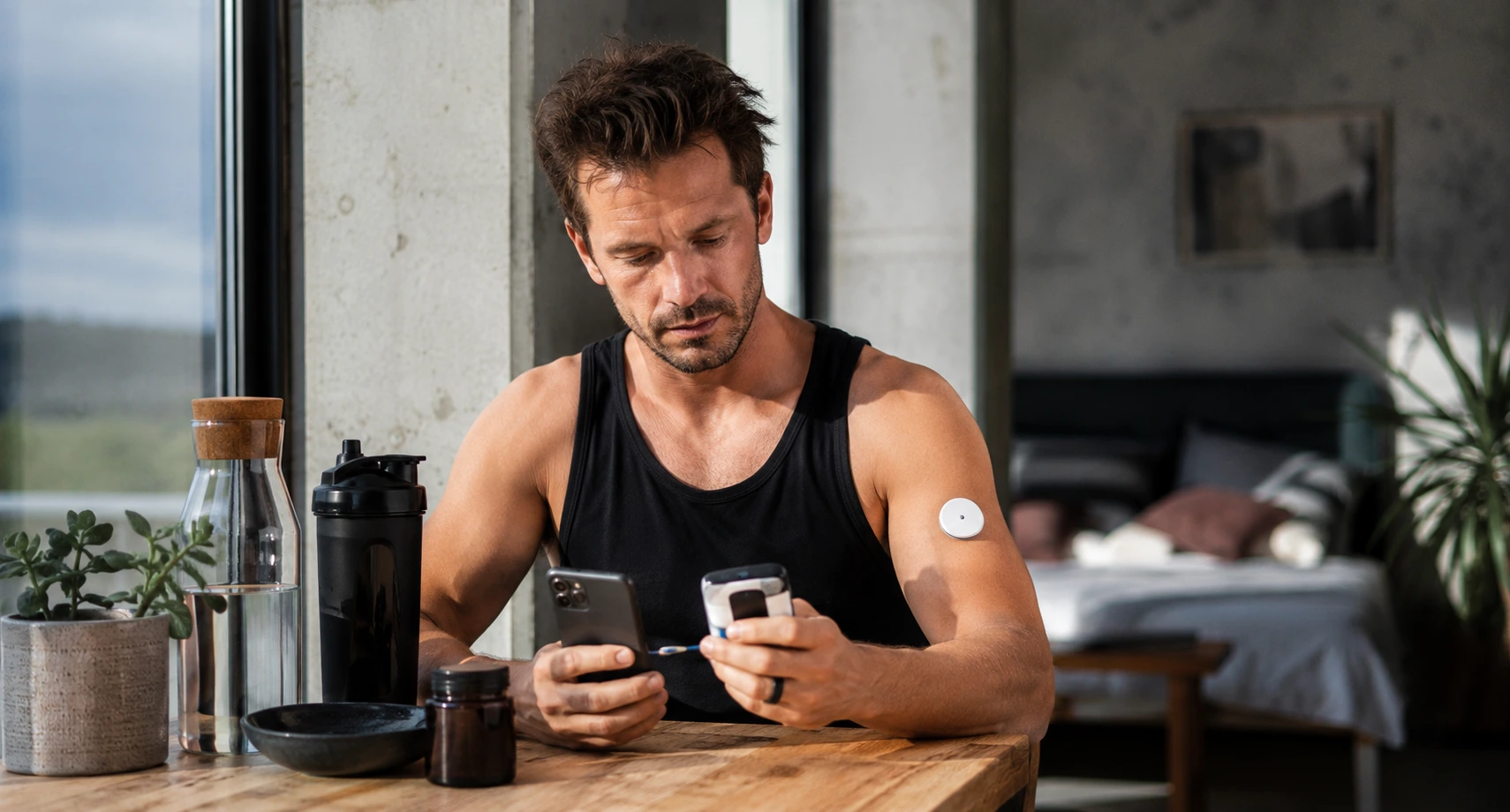
Tired of feeling sluggish, foggy, and like your body just isn’t responding the way it used to? A biohacking daily routine might be the reset button you’ve been looking for, and the science backing it up is actually pretty solid.
Understanding biohacking for seniors
Biohacking sounds like something from a sci-fi movie, but it’s really just the practice of making deliberate, small changes to how you live in order to feel better and function at your best. For seniors, this isn’t about extreme measures or complicated protocols. Think of it as fine-tuning your body’s operating system. A 72-year-old might notice that adding a 20-minute morning walk improves their afternoon energy levels, or that eating protein with breakfast keeps them sharper through lunch. Another person might discover that a consistent bedtime routine helps them sleep deeper and wake less often during the night. These aren’t accidents; they’re the result of understanding how your body responds to specific inputs. Biohacking for seniors typically focuses on evidence-based habits like regular physical activity tailored to your fitness level, eating patterns that stabilize blood sugar, sleeping at consistent times, and stress reduction techniques like meditation or gentle yoga. The key difference from generic health advice is personalization. What works for your neighbor might not work for you, and that’s exactly the point.
The science behind biohacking
Research in gerontology and neuroscience has shown that lifestyle interventions can meaningfully affect how our brains and bodies age. When a senior engages in regular aerobic exercise, studies show improvements in memory, processing speed, and executive function within weeks. The mechanism is straightforward: exercise increases blood flow to the brain and triggers the release of brain-derived neurotrophic factor, a protein that supports nerve cell growth. Similarly, sleep quality directly impacts immune function, inflammation levels, and cognitive performance. A study published in the journal Sleep found that seniors who maintained consistent sleep schedules showed better immune responses and fewer infections. Nutrition plays an equally critical role. Certain foods contain compounds that reduce inflammation and support cellular repair. For example, omega-3 fatty acids found in fish have been linked to slower cognitive decline. Stress management techniques like meditation have measurable effects on cortisol levels, the hormone that, when chronically elevated, accelerates aging and weakens immunity. The beauty of biohacking is that these aren’t theoretical benefits. They’re observable, measurable changes that happen in your body when you adjust specific variables in your daily life.
Key steps to implement biohacking daily routine
Starting a biohacking daily routine doesn’t require overhauling your entire life overnight. Begin by honestly assessing what you’re currently doing. Track your energy levels throughout the day for a week. Notice when you feel sharp and when you crash. Write down what you ate, how much you slept, and what you did that day. This baseline data is invaluable. Next, identify one or two specific areas where you want to see improvement. Maybe your goal is to have more sustained energy, think more clearly, or sleep better. Make that goal concrete and measurable. Instead of saying you want more energy, commit to walking for 15 minutes each morning and track how you feel at 2 PM for the next two weeks. Then comes the experimentation phase. Try one change at a time and give it at least two weeks before evaluating results. If you add exercise, better sleep, and a new diet all at once, you won’t know which change actually helped. A common mistake is expecting overnight results or abandoning a practice after just a few days. Real biohacking requires patience and observation. Keep a simple journal noting what you did and how you felt. Over time, patterns emerge that reveal what genuinely works for your unique body and lifestyle.
- Assess current habits and identify areas for improvement
- Set specific, measurable goals to track progress
- Experiment with different biohacking techniques
🔬 Science-backed benefits in 2 minuteschoose where to begin:
Benefits of biohacking for seniors
When seniors implement biohacking practices consistently, the benefits often extend far beyond what they initially expected. Improved physical energy is usually the first thing people notice. A 68-year-old who starts a simple morning routine of stretching and a short walk might find they can play with grandchildren without needing a nap afterward. Mental clarity follows closely. Many seniors report that their thinking feels sharper, they remember things more easily, and they feel less mentally foggy throughout the day. There’s also the emotional dimension. When you take control of your health through deliberate choices, you feel more empowered and less like a passive observer of your own aging. Enhanced immune function means fewer colds and infections. Better sleep quality means waking refreshed instead of groggy. Improved mood and reduced anxiety are common outcomes, partly because exercise and good sleep naturally regulate neurotransmitters like serotonin and dopamine. Perhaps most importantly, these changes compound over time. A senior who feels more energetic starts moving more, which improves sleep, which boosts mood and cognitive function, which motivates them to stick with healthy eating habits. The result is a positive feedback loop where small wins build into significant improvements in overall quality of life and independence.
Potential risks and considerations
While biohacking is fundamentally about making positive lifestyle changes, it’s not a free-for-all. Seniors have unique health considerations that younger people don’t. If you have arthritis, certain types of exercise might aggravate your joints. If you take blood thinners, dramatic increases in vitamin K intake could interfere with your medication. If you have diabetes, changing your eating patterns without guidance could affect your blood sugar management. This is why consulting with your healthcare provider before making significant changes is not just recommended, it’s essential. Another common mistake is chasing trendy biohacking techniques that lack solid evidence. Not every supplement that claims to boost longevity actually does. Not every extreme dietary approach is safe for someone with your medical history. The safest approach is to focus on evidence-based practices: regular movement, consistent sleep, whole foods, stress management, and social connection. These have decades of research supporting them. Be cautious of anything that sounds too good to be true or requires you to eliminate entire food groups or spend significant money on special products. The best biohacking practices are sustainable, affordable, and grounded in established science.
The future of biohacking for seniors
The field of biohacking is evolving rapidly, and seniors stand to benefit from emerging research and personalized approaches. Wearable technology now allows people to track sleep patterns, heart rate variability, and activity levels with precision that was impossible just a few years ago. This data can reveal patterns that help you understand your body better. Genetic testing is becoming more accessible and affordable, offering insights into how your body metabolizes certain nutrients and responds to exercise. Researchers are also developing more targeted interventions for age-related conditions. Instead of generic advice, future biohacking might include personalized recommendations based on your genetics, current health status, and lifestyle. The key is staying informed without becoming overwhelmed. You don’t need to adopt every new technology or technique. Focus on the fundamentals that have proven effective, then gradually explore additions that align with your goals and values. By taking a thoughtful, evidence-based approach to biohacking, seniors can actively shape their health trajectory rather than passively accepting the limitations that often come with aging.
Biohacking offers seniors a practical, science-backed pathway to optimizing health through personalized lifestyle adjustments. By making intentional changes to exercise, sleep, nutrition, and stress management, seniors can experience measurable improvements in energy, cognitive function, and overall well-being. The key is starting small, tracking results, and consulting healthcare providers to ensure safety and effectiveness.
Are biohacking techniques safe for seniors?
Biohacking techniques can be safe for seniors when implemented thoughtfully and with guidance from healthcare professionals. The safest approach focuses on evidence-based practices like regular movement, consistent sleep, whole foods, and stress reduction. Always consult your doctor before making significant changes, especially if you have existing health conditions or take medications that could interact with lifestyle changes.
How can seniors get started with biohacking?
Start by tracking your current habits and energy levels for a week to establish a baseline. Identify one or two specific areas you want to improve, such as energy, sleep, or mental clarity. Then experiment with one change at a time, giving it at least two weeks before evaluating results. Keep a simple journal to note what you did and how you felt. Working with your healthcare provider can help you create a safe, personalized approach tailored to your unique health needs.
Others also read:
Disclaimer: This article is for informational purposes only and is not a substitute for professional medical advice. Always consult a healthcare professional for personal guidance.
This article has been prepared and reviewed by the GlobalHealthBeacon editorial team and is based on current medical research and published scientific literature available in 2026. It provides structured, evidence-based information to support informed health decisions.
