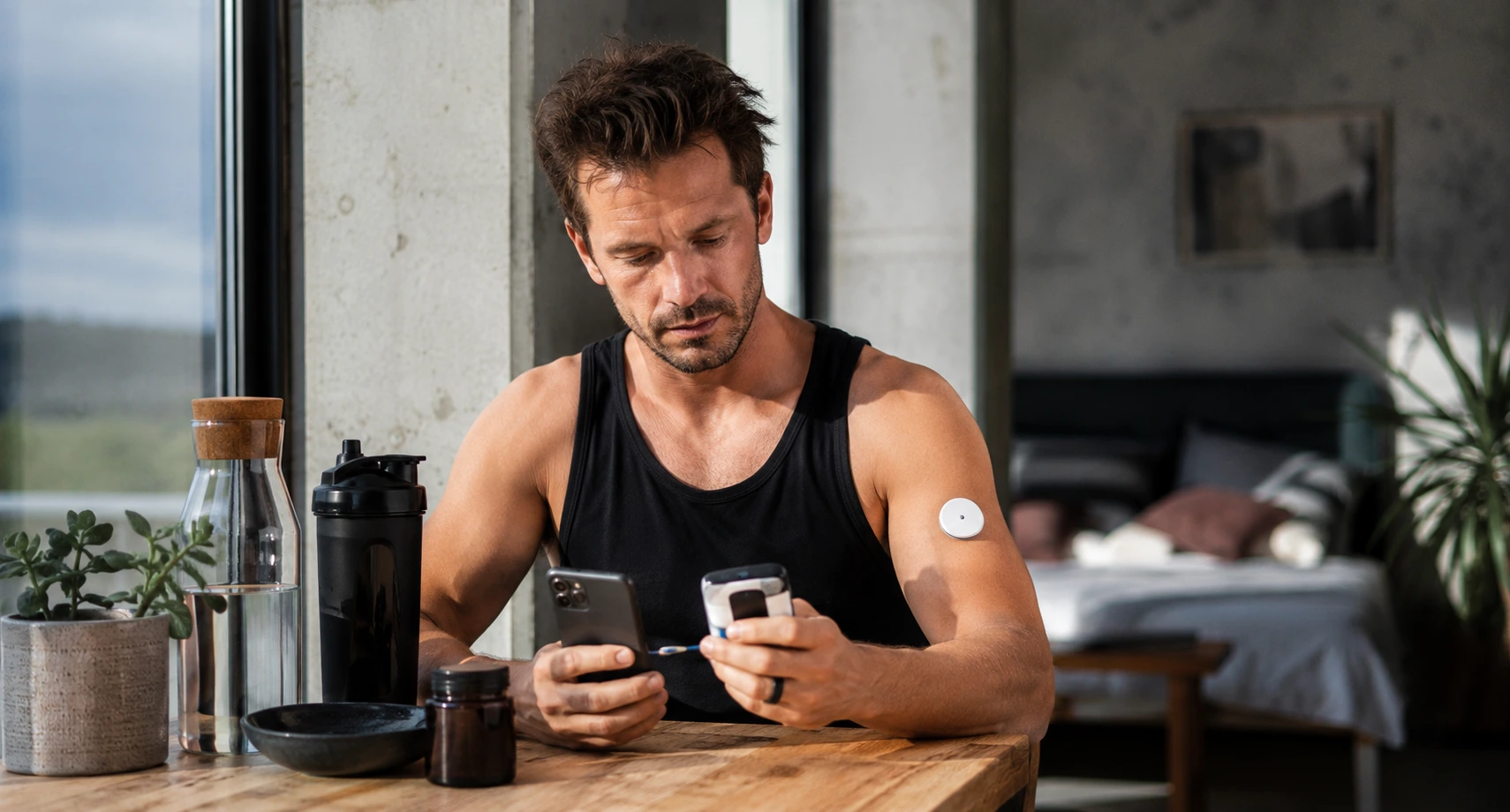
You’re exhausted, your hormones feel like they’re running the show, and you keep hearing about biohacking daily routine like it’s some magic fix, but you have no idea if any of it actually works or if you’re just falling for another wellness trend.
Understanding biohacking fundamentals
Biohacking represents a systematic approach to optimizing human performance through deliberate lifestyle modifications grounded in biological principles. Rather than making drastic overhauls, biohacking emphasizes small, measurable adjustments that compound over time. For women specifically, this might mean tracking how different sleep schedules affect energy levels, or noticing how meal timing influences afternoon focus. The core philosophy relies on self-experimentation paired with data collection. A woman might wear a continuous glucose monitor for two weeks to understand how specific foods impact her blood sugar stability, then adjust her eating patterns accordingly. This isn’t about following generic advice; it’s about understanding your unique biological responses. The beauty of biohacking lies in its personalization. Where traditional health recommendations offer one-size-fits-all guidance, biohacking acknowledges that a woman’s hormonal cycle, metabolism, stress response, and genetic factors create a completely individual system. By combining technology, observation, and scientific principles, women can move beyond guesswork and toward evidence-informed decisions about their own bodies.
Biohacking tools for women
The biohacking toolkit has expanded dramatically, offering women unprecedented insight into their physiological patterns. Wearable devices like smartwatches and fitness trackers monitor heart rate variability, sleep architecture, and daily movement patterns. Heart rate variability specifically interests researchers because it reflects nervous system balance and stress resilience. Smart scales measure not just weight but body composition changes, helping women distinguish between muscle gain and fat loss. Continuous glucose monitors, once used primarily for diabetes management, now appeal to women curious about metabolic responses to different foods. Oura rings track sleep stages and recovery metrics with surprising accuracy. Beyond devices, women use apps to log symptoms, mood, energy, and menstrual cycle phases, revealing correlations invisible to casual observation. One woman might discover that her afternoon brain fog disappears when she increases protein intake during her luteal phase. Another might notice that high-intensity exercise feels better during her follicular phase. These tools transform abstract feelings into concrete data patterns. The key is selecting tools that align with your specific questions. If sleep quality concerns you, a sleep-focused tracker makes sense. If hormonal balance is your priority, cycle-tracking combined with symptom logging provides richer insights than any single device.
Key steps to implement biohacking daily routine
Implementing a biohacking daily routine requires a structured but flexible approach. Start by establishing baseline measurements across areas you want to improve. If sleep is your focus, track your current sleep duration, wake times, and how rested you feel for one week without changing anything. This baseline becomes your comparison point. Next, identify specific improvement targets. Rather than vague goals like feeling better, pinpoint measurable outcomes: falling asleep 15 minutes faster, waking fewer times per night, or feeling alert without caffeine by 10 AM. Then comes the experimental phase. Choose one variable to adjust, like removing screens one hour before bed, and maintain this change for two to four weeks while tracking results. Many women make the mistake of changing multiple factors simultaneously, making it impossible to identify what actually works. A woman might simultaneously adopt a new sleep schedule, start meditation, and change her evening meal timing, then wonder which change helped. Instead, isolate variables. After one experiment concludes, evaluate results honestly. Did the change produce measurable improvement? If yes, keep it and move to the next variable. If no, return to baseline and try something different. This iterative process, though slower than overhauling everything at once, builds sustainable practices backed by personal evidence.
- Gather baseline health data across your target areas
- Identify specific, measurable improvement goals
- Experiment with one biohacking technique at a time
- Track results consistently for two to four weeks
- Evaluate outcomes and adjust accordingly
🔬 Science-backed benefits in 2 minuteschoose where to begin:
Biohacking and women’s hormonal balance
Women’s hormonal fluctuations create unique opportunities and challenges for biohacking. The menstrual cycle spans roughly 28 days with two distinct phases: the follicular phase (days 1-14) and the luteal phase (days 15-28), each characterized by different hormone levels. During the follicular phase, rising estrogen supports higher energy, better sleep quality, and improved cognitive function. Many women naturally gravitate toward intense exercise and complex mental tasks during this window. The luteal phase brings progesterone dominance, which increases caloric needs by 100-300 calories daily, affects sleep architecture, and can amplify anxiety or mood sensitivity. Rather than fighting these patterns, biohacking women work with them. A woman might schedule demanding projects, presentations, or high-intensity workouts during her follicular phase when her nervous system is naturally more resilient. During her luteal phase, she might prioritize strength training over cardio, increase protein intake, and protect sleep more vigilantly. Tracking symptoms alongside cycle phases reveals personal patterns. One woman discovers her migraines cluster in her luteal phase, prompting her to increase magnesium intake during that window. Another notices her anxiety spikes mid-cycle and adjusts her caffeine intake accordingly. This isn’t about limiting yourself; it’s about working with your biology rather than against it, optimizing timing and intensity to match your hormonal landscape.
Measuring success in biohacking
Success in biohacking requires defining what success actually means for you, then establishing measurable markers. Objective metrics provide clarity. Sleep quality can be measured through sleep duration, number of awakenings, and time spent in deep sleep stages. Stress levels show up in heart rate variability data, cortisol patterns, and subjective stress ratings. Cognitive function might manifest as improved focus duration, faster task completion, or fewer afternoon energy crashes. Women often track additional markers relevant to hormonal health: menstrual cycle regularity, PMS symptom severity, skin clarity, or energy stability throughout the cycle. A woman might establish a baseline where she wakes three times nightly and feels groggy until 10 AM. After implementing a consistent sleep schedule and reducing evening light exposure, she measures success as waking once or twice and feeling alert by 8 AM. She documents this progress weekly, creating a visual record of improvement. Subjective measures matter too. How do you feel? Do you have more energy? Better mood stability? Clearer thinking? These qualitative observations complement quantitative data. The most powerful biohacking success combines both: concrete metrics showing measurable change alongside genuine improvements in how you experience your daily life. Tracking over months reveals patterns invisible in single weeks, showing whether changes produce sustained benefits or temporary effects.
Biohacking for women: Looking ahead
The biohacking landscape continues evolving as research into female physiology, hormonal health, and personalized medicine advances. Women now have access to more sophisticated tracking tools, more targeted research on female-specific health patterns, and growing recognition that women’s bodies require different approaches than the male-centric health research of previous decades. The future of biohacking for women involves increasingly precise personalization. Genetic testing reveals how your body metabolizes certain nutrients or responds to specific interventions. Microbiome analysis shows how your gut bacteria influence everything from mood to immune function. Wearable technology becomes more accurate and less intrusive. Yet amid this technological advancement, the fundamental principle remains unchanged: you are the expert on your own body. No algorithm or device knows your lived experience. The most effective biohacking approach combines evidence-based practices with personal experimentation and honest self-observation. Stay informed about emerging research, but remain skeptical of claims lacking solid evidence. Consult healthcare providers before making significant changes, especially if you have existing health conditions or take medications. By balancing scientific knowledge with personal experimentation, women can craft biohacking routines that feel sustainable, aligned with their values, and genuinely supportive of their health goals.
Biohacking for women involves making deliberate, data-informed adjustments to optimize health and performance while accounting for hormonal patterns. By understanding fundamental principles, utilizing appropriate tracking tools, and implementing structured experimentation, women can develop personalized routines that work with their biology rather than against it. Success comes from measuring meaningful outcomes, working with hormonal cycles, and combining scientific evidence with personal observation.
Is biohacking safe for women?
Biohacking can be safe when approached thoughtfully and with professional guidance. The key is avoiding extreme practices and ensuring any significant changes align with your individual health status. Women with hormonal conditions, those taking medications, or anyone with existing health concerns should consult healthcare providers before implementing major biohacking changes. Gentle experimentation with tracking and lifestyle adjustments typically carries minimal risk, but extreme interventions like extended fasting or unmonitored supplementation warrant medical oversight.
Can biohacking improve women’s hormonal health?
Biohacking can support hormonal health through lifestyle modifications that influence hormone production and sensitivity. Sleep quality, stress management, exercise timing, and nutrition all affect hormonal balance. Many women report improved cycle regularity, reduced PMS symptoms, and better mood stability after implementing biohacking practices. However, individual responses vary significantly based on genetics, existing health conditions, and life circumstances. Tracking your personal patterns helps identify which adjustments benefit your specific hormonal health.
Others also read:
Disclaimer: This article is for informational purposes only and is not a substitute for professional medical advice. Always consult a healthcare professional for personal guidance.
This article has been prepared and reviewed by the GlobalHealthBeacon editorial team and is based on current medical research and published scientific literature available in 2026. It provides structured, evidence-based information to support informed health decisions.
