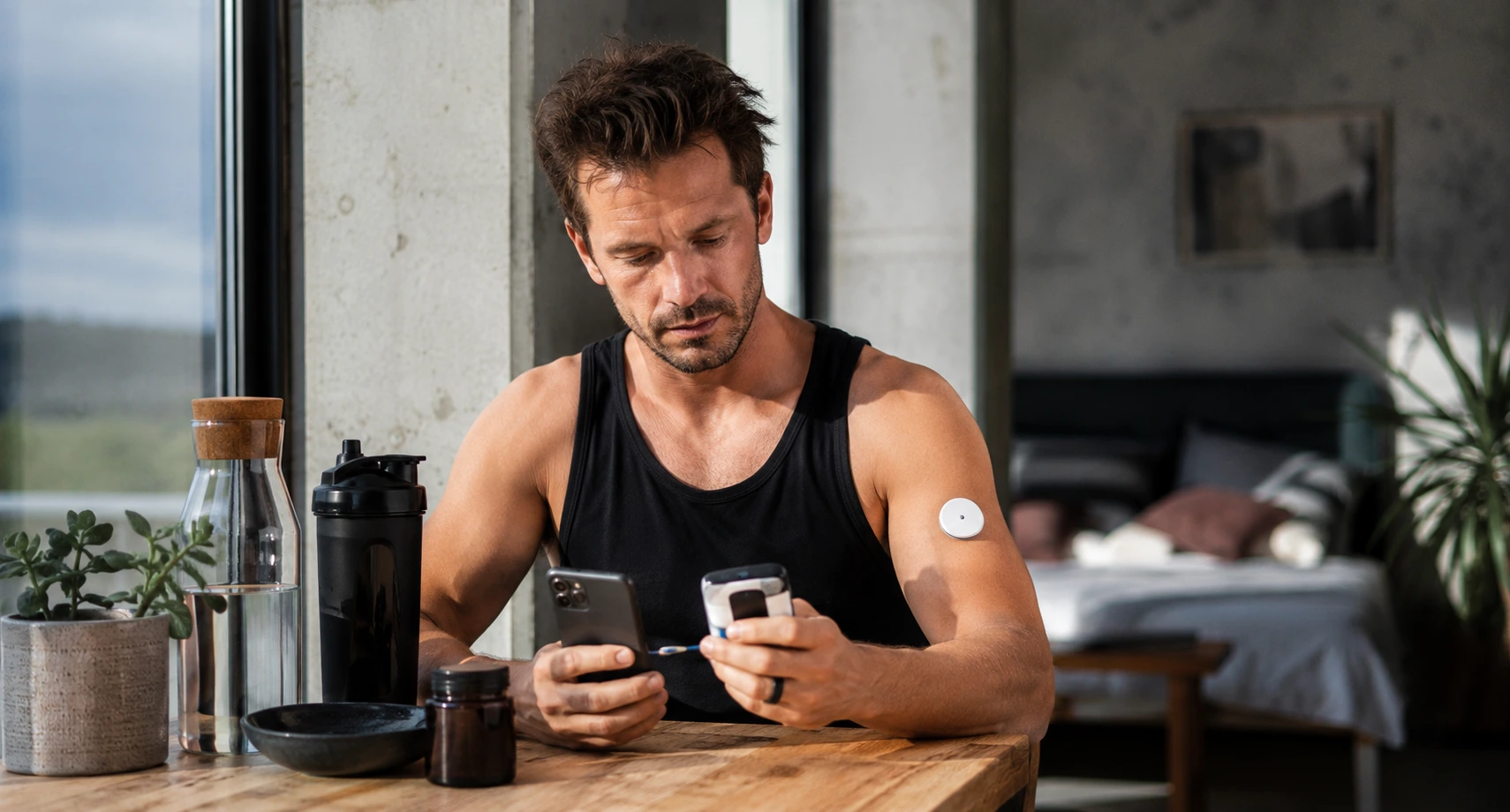
You’re exhausted, unfocused, and feeling like your body’s running on outdated software, so you’ve started hearing whispers about biohacking daily routines as the secret unlock to peak performance, but you’re not sure if it’s legit science or just another wellness trend designed to drain your wallet.
The basics of biohacking
Biohacking represents a systematic approach to understanding and optimizing how your body functions through deliberate lifestyle modifications. Rather than waiting for a doctor to address health concerns, biohackers take an active role in experimenting with their physiology. Think of it like debugging code in your body’s operating system. A young adult might notice they feel sluggish after certain meals, so they experiment with timing or macronutrient ratios to identify what works best for their energy levels. Another might track sleep patterns and discover that a 20-minute nap at 2 PM dramatically improves afternoon focus. These aren’t random guesses but informed experiments based on personal data collection. The philosophy centers on the idea that small, incremental changes compound over time, leading to measurable improvements in energy, mental clarity, physical performance, and overall wellbeing. It’s about becoming a scientist studying your own biology.
Key components of a biohacking daily routine
A comprehensive biohacking routine typically weaves together several interconnected practices that work synergistically. Intermittent fasting, for example, involves eating within specific time windows, which some research suggests may influence metabolic function and cellular repair processes. Targeted supplementation means identifying nutritional gaps through testing or symptom analysis, then addressing them strategically rather than taking random vitamins. Quality sleep becomes a non-negotiable pillar, with young adults tracking sleep cycles and optimizing bedroom temperature, light exposure, and evening routines. Stress management techniques like meditation, breathwork, or cold exposure are incorporated because chronic stress measurably impacts hormone levels, immune function, and cognitive performance. Regular exercise isn’t just about fitness but timing workouts to align with circadian rhythms and energy patterns. A real example might be a 26-year-old who combines morning cold showers to boost alertness, practices intermittent fasting from 8 PM to noon, supplements with magnesium for sleep quality, and does strength training in late afternoon when testosterone levels naturally peak. These elements don’t exist in isolation but create a feedback loop where improvements in one area enhance others.
Implementing a biohacking routine
Starting a biohacking routine requires intentionality and patience rather than overhauling everything overnight. First, identify your specific health goals and current pain points. Are you struggling with afternoon energy crashes, poor sleep quality, brain fog during work, or lack of physical endurance? Be specific. Next, research evidence-based techniques that address your particular concerns, avoiding trendy shortcuts that lack scientific backing. This might mean reading peer-reviewed studies, consulting reputable health sources, or exploring case studies from credible practitioners. Then comes the crucial phase: gradual implementation. Instead of adopting five new practices simultaneously, introduce one or two changes and observe their effects for at least two to four weeks before adding more. A common mistake young adults make is expecting immediate results or switching strategies too quickly, which prevents them from accurately assessing what actually works for their unique biology. Document your baseline metrics before starting, whether that’s energy levels on a simple 1-10 scale, sleep duration, or workout performance. This creates a reference point for measuring progress. Remember that biohacking is deeply personal. What works for an influencer on social media might not work for you, and that’s completely normal.
- Set clear health objectives and identify your specific pain points.
- Explore biohacking methods with scientific backing that align with your goals.
- Incorporate selected techniques into daily life one or two at a time.
🔬 Science-backed benefits in 2 minuteschoose where to begin:
Measuring the impact of biohacking
Tracking progress transforms biohacking from guesswork into data-driven experimentation. Energy levels provide an accessible starting point. Many young adults use simple daily ratings or note when they experience the afternoon slump. Cognitive function can be assessed through work productivity, focus duration, or even performance in games that require concentration. Mood tracking reveals whether lifestyle changes influence emotional resilience and mental health. Sleep quality goes beyond hours slept to include how rested you feel upon waking and whether you experience mid-sleep disruptions. Physical performance metrics might include workout strength, endurance, recovery speed, or body composition changes. The key is choosing metrics that matter to your specific goals and measuring them consistently. A 24-year-old might use a simple spreadsheet tracking sleep hours, morning energy rating, workout performance, and weekly mood average. After implementing a new sleep protocol, they’d review data after four weeks to see if energy ratings improved or if sleep quality enhanced. Wearable devices like fitness trackers provide objective data on heart rate variability, sleep stages, and activity levels, though they’re not essential. The goal isn’t obsessive tracking but creating enough data points to identify genuine patterns versus random fluctuations.
Understanding the controversies
Biohacking exists in a complex space where personal experimentation meets scientific scrutiny, and legitimate concerns deserve attention. Critics point out that many biohacking claims lack large-scale, long-term clinical trials, meaning we don’t always know the effects of practices over years or decades. Some techniques, like extreme fasting protocols or high-dose supplementation, carry genuine risks if implemented without proper guidance. The biohacking community sometimes promotes unproven interventions with more confidence than evidence warrants, creating a gap between marketing claims and actual science. Additionally, individual biology varies dramatically, so a practice that produces measurable benefits for one person might have no effect or even negative effects for another. Young adults should approach biohacking with healthy skepticism, distinguishing between evidence-based practices and speculative ones. Consulting healthcare professionals before starting significant dietary changes, supplementation protocols, or intense exercise regimens is wise, especially if you have existing health conditions or take medications. The responsible approach combines personal experimentation with scientific literacy, recognizing both the potential benefits and the limitations of current knowledge.
Exploring the future of biohacking
The biohacking landscape continues evolving as technology advances and research deepens. Genetic testing and personalized medicine are beginning to inform more targeted biohacking strategies, moving away from one-size-fits-all approaches toward interventions tailored to individual genetic profiles. Artificial intelligence and machine learning are enabling more sophisticated analysis of personal health data, identifying patterns humans might miss. Wearable technology is becoming increasingly sophisticated, offering real-time feedback on physiological markers like heart rate variability, blood glucose levels, and sleep architecture. Young adults entering this space should stay informed through credible sources, follow emerging research, and remain skeptical of hype. The future likely involves a convergence of biohacking principles with mainstream medicine, where personal experimentation and clinical science inform each other more closely. Understanding these developments helps you make informed decisions about which practices to explore and which to approach cautiously. The field is young, and much remains unknown, but the trajectory suggests increasingly personalized, data-driven approaches to optimizing human performance and health.
Biohacking daily routines involve making deliberate, incremental changes to lifestyle factors like diet, sleep, exercise, and stress management to optimize health and performance. Young adults exploring biohacking should start by identifying specific health goals, researching evidence-based techniques, and gradually implementing changes while measuring their personal impact. While biohacking holds promise for enhancing wellbeing, it’s essential to approach these practices with scientific literacy, recognize individual variation, and consult healthcare professionals when necessary. The field continues evolving with advances in technology and personalized medicine, offering increasingly sophisticated tools for understanding your unique biology.
Are biohacking practices safe for young adults?
Many biohacking practices are safe when implemented thoughtfully, but caution is warranted. Evidence-based techniques like optimizing sleep, managing stress, and regular exercise have strong safety records. However, extreme protocols involving fasting, high-dose supplementation, or intense training carry potential risks. Young adults should research practices thoroughly, start conservatively, and consult healthcare professionals before making significant changes, especially if they have existing health conditions or take medications.
How can I determine the right biohacking techniques for me?
Begin by identifying your specific health goals and current challenges rather than adopting trendy practices. Research techniques with scientific backing that address your particular concerns. Start with one or two changes, implement them consistently for four weeks, and measure results using relevant metrics like energy levels, sleep quality, or workout performance. Track your baseline before starting, document changes, and avoid switching strategies too quickly. Remember that biohacking is deeply personal, so what works for others might not work for you.
Others also read:
Disclaimer: This article is for informational purposes only and is not a substitute for professional medical advice. Always consult a healthcare professional for personal guidance.
This article has been prepared and reviewed by the GlobalHealthBeacon editorial team and is based on current medical research and published scientific literature available in 2026. It provides structured, evidence-based information to support informed health decisions.
