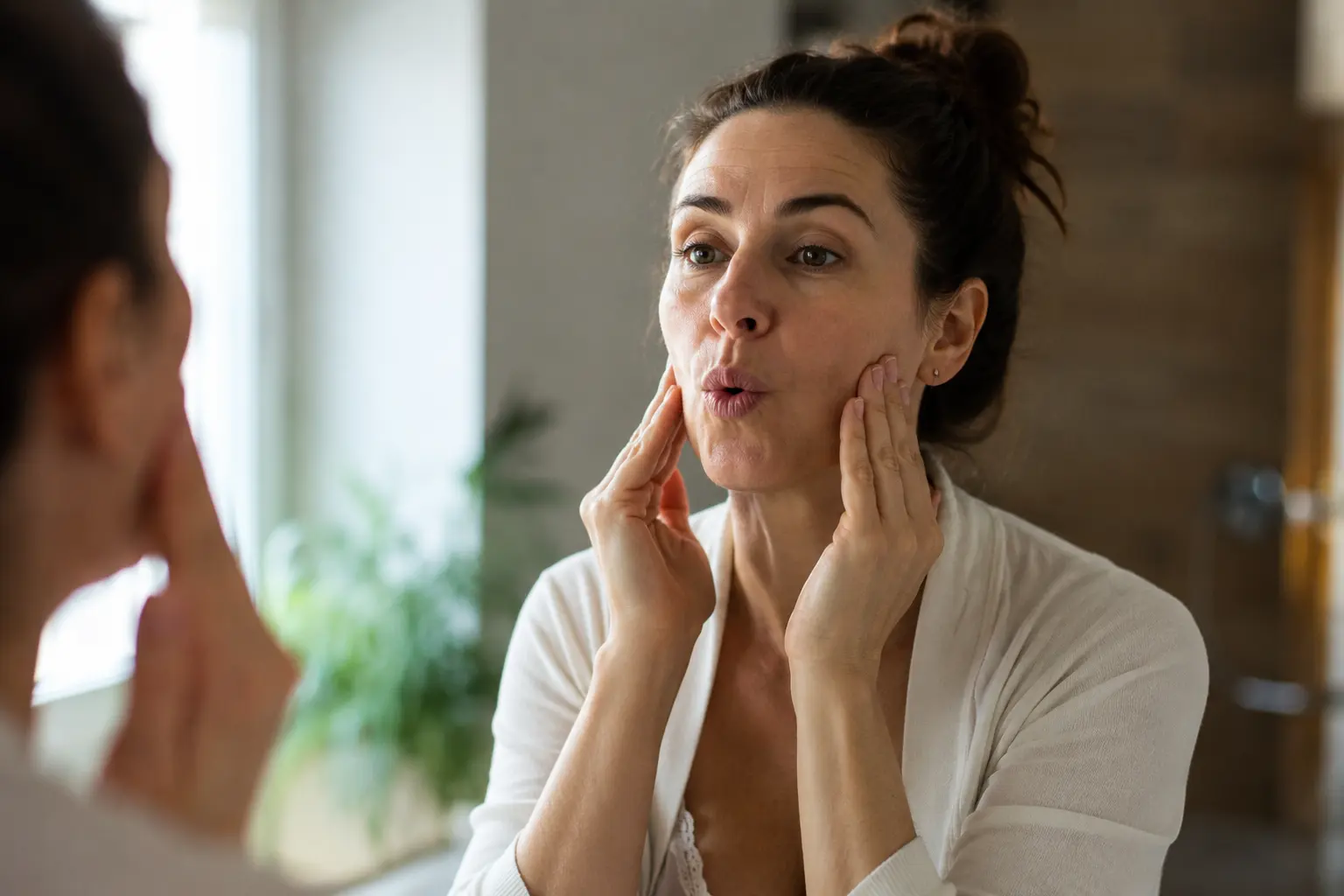
Your skin feels thin, tired, and honestly kind of defeated after decades of sun exposure and life stress, but biohacking skin health doesn’t require expensive treatments or complicated routines that leave you confused.
Understanding the basics of skin biohacking
Skin biohacking is simply the practice of using evidence-based, natural methods to work with your body’s own repair systems rather than against them. Think of it as giving your skin the right conditions to heal itself. For seniors, this approach matters because your skin has spent years adapting to environmental stress, and now it needs support that respects its changing biology. Hydration forms the foundation. When you drink water consistently throughout the day, you’re not just quenching thirst; you’re delivering moisture to skin cells that have become drier with age. A 72-year-old woman named Margaret noticed her fine lines softened noticeably after committing to eight glasses daily for three months. Beyond water, what you eat directly affects skin resilience. Antioxidants from berries, leafy greens, and colorful vegetables fight cellular damage that accumulates over decades. Sun protection isn’t optional; it’s the single most important habit you can adopt right now. Even if you’ve spent years in the sun, starting protection today prevents further damage and allows your skin to begin its natural repair process.
- Aim for at least 8 glasses of water daily to keep your skin hydrated.
- Incorporate foods rich in antioxidants, such as berries and leafy greens, into your diet.
- Practice good sun protection habits by wearing sunscreen daily to prevent skin damage.
Choosing the right skincare products
Walking into a skincare aisle can feel overwhelming when you’re not sure what your aging skin actually needs. The key is simplicity and ingredient awareness. Your skin at 60, 70, or beyond has different needs than it did at 30. It’s thinner, more sensitive, and often drier. Start by identifying your primary concern: dryness, sensitivity, uneven tone, or texture. Then choose products specifically formulated for mature skin rather than generic options. Natural ingredients like aloe vera soothe irritation and provide hydration without harsh chemicals. Coconut oil works well for some, though it can clog pores in others, so patch test first. Look for products containing hyaluronic acid, which holds moisture in the skin, or niacinamide, which strengthens the skin barrier. A retired teacher found that switching from a heavy cream to a lightweight serum with hyaluronic acid followed by a gentle moisturizer transformed her skin texture within weeks. Avoid products with fragrance, alcohol, or excessive exfoliants that strip your skin’s protective layer. Less is often more; a three-step routine of cleanser, serum, and moisturizer beats a ten-step routine with ingredients your skin can’t tolerate.
📘 Fix your day in under 2 minuteschoose where to begin:
The power of sleep and stress management
Your skin regenerates most actively during sleep, which is why those nights you sleep poorly often show up on your face the next morning. Aim for 7 to 9 hours of quality sleep each night, and notice how your skin looks more plump and radiant after consistent good sleep. During deep sleep, your body increases blood flow to the skin and rebuilds collagen, the protein that keeps skin firm and elastic. When you’re sleep-deprived, cortisol rises, triggering inflammation that shows as redness, sensitivity, or breakouts. Stress operates similarly. Chronic stress accelerates aging visibly; you’ve probably noticed how worry lines deepen during stressful periods. Meditation, even 10 minutes daily, measurably reduces cortisol. A 68-year-old man who added a daily yoga practice reported not just feeling calmer but seeing visible softening of tension lines around his mouth and eyes within two months. Gentle hobbies like gardening, reading, or painting also lower stress while keeping your mind engaged. The connection between inner calm and outer radiance is real and scientifically documented. Prioritize sleep like you would any essential medication, and your skin will respond with visible improvement.
Exercising for glowing skin
Exercise isn’t just for fitness; it’s a powerful skin treatment. When you move your body, blood flow increases dramatically, delivering oxygen and nutrients directly to skin cells while flushing out toxins through sweat. You don’t need intense workouts. A 60-year-old woman who started with 30-minute walks five times weekly saw her complexion brighten noticeably within six weeks. The improved circulation gave her skin a natural glow that no topical product could replicate. Mix cardio like walking, swimming, or cycling with gentle strength training to maintain muscle tone and bone density, which supports skin structure. Strength training also boosts growth hormone, which naturally declines with age but supports skin elasticity. After exercise, cleanse your skin gently to remove sweat and prevent clogged pores, but don’t strip it with harsh soaps. A warm rinse followed by your regular moisturizer is sufficient. The key is consistency over intensity. Three to four sessions weekly of moderate activity beats sporadic intense workouts that leave you exhausted. Your skin responds to the regular, sustained improvement in circulation and oxygenation far more than to occasional extreme effort.
Embracing a holistic approach to skin health
Skin health isn’t isolated from the rest of your life. Everything connects. Your diet, sleep, stress levels, exercise habits, and emotional well-being all show up on your face. A truly effective approach weaves these elements together rather than treating them separately. Start with one or two changes you can sustain. If you hate water, add lemon for flavor and drink it with meals. If meditation feels foreign, try a guided audio while sitting in your favorite chair. Build from there. Many seniors find that once they experience results from one habit, motivation for others follows naturally. A 75-year-old woman began with just sunscreen and hydration, then added evening walks, then improved her sleep routine. Each change reinforced the others, creating momentum. Consider consulting a dermatologist who specializes in aging skin. They can identify specific concerns like rosacea, age spots, or texture issues and recommend treatments tailored to you. Professional guidance prevents wasted time and money on products that won’t help your particular situation. This holistic path isn’t about perfection; it’s about consistent, gentle progress that respects your body’s wisdom and capacity to heal.
Skin biohacking for seniors centers on working with your body’s natural repair systems through hydration, nutrition, quality sleep, stress management, and movement. Each element supports the others, creating visible improvements in skin texture, tone, and radiance. Start small, stay consistent, and give changes time to work. Your skin has remarkable capacity to improve at any age.
Is skin biohacking safe for seniors?
Skin biohacking using natural methods is safe for seniors when approached thoughtfully. Start with gentle changes and observe how your skin responds. If you have specific concerns like rosacea, eczema, or are taking medications that affect skin, consult a dermatologist before introducing new products or practices. Professional guidance ensures your approach suits your individual skin condition.
How long does it take to see results from skin biohacking?
Results vary based on your starting point and consistency. Hydration and sun protection show benefits within two to four weeks. Sleep and stress improvements typically appear in four to eight weeks. Dietary changes and exercise effects emerge over eight to twelve weeks. Skin cell turnover takes about 28 days, so patience is essential. Most people notice meaningful changes within three months of consistent practice.
Others also read:
Disclaimer: This article is for informational purposes only and is not a substitute for professional medical advice. Always consult a healthcare professional for personal guidance.
This guide has been prepared and reviewed by the GlobalHealthBeacon editorial team and reflects current medical research as of 2026. It provides structured, evidence-based information to support informed health decisions.
