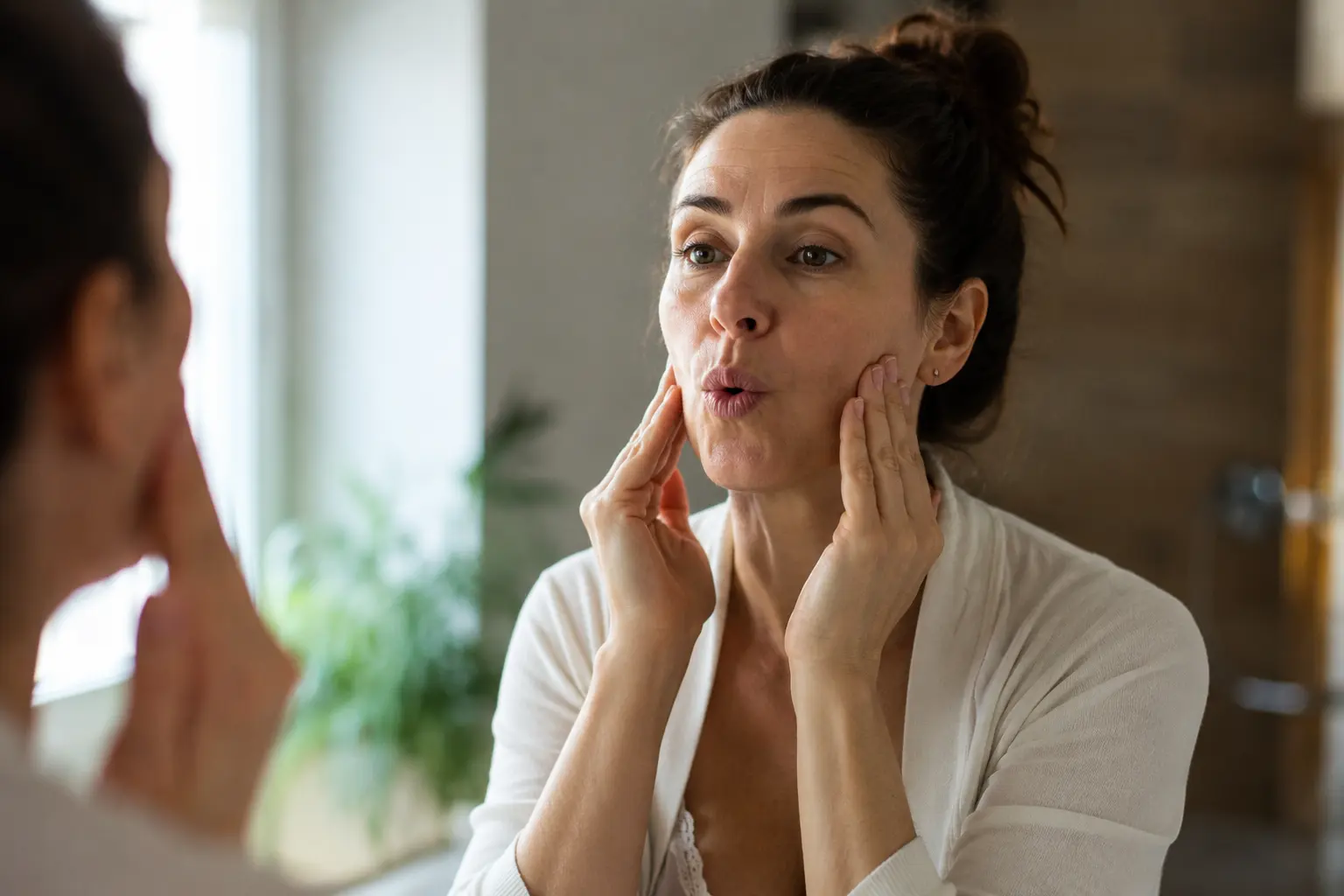
Your skin feels thin, creases won’t fade, and nothing you buy at the drugstore seems to actually work anymore, so you’re ready to stop throwing money at empty promises and finally learn how to hack your skin health the natural way.
Understanding skin biohacking
Skin biohacking isn’t about expensive treatments or invasive procedures that leave you looking like a different person. It’s about understanding how your skin actually works and then using that knowledge to work with your body instead of against it. Think of it this way: your skin is constantly regenerating, but as you age, that process slows down. Collagen breaks down faster than your body can replace it, elasticity decreases, and moisture retention becomes harder. Biohacking means you’re strategically intervening in that process through nutrition, targeted skincare, and lifestyle tweaks. For example, if you start eating more salmon and walnuts for their omega-3 content, you’re literally feeding your skin the building blocks it needs to maintain its structure. When you add a gentle exfoliation routine twice a week, you’re removing dead cells that make skin look dull and allowing your skin to absorb beneficial ingredients more effectively. The beauty of this approach is that it works with your body’s natural rhythms rather than fighting against them, making results sustainable and long-lasting.
- Integrating nutrient-rich foods like fruits, vegetables, and omega-3 fatty acids into your diet can promote collagen production and reduce inflammation.
- Incorporating gentle exfoliation techniques and natural skincare products can help maintain skin elasticity and clarity.
- Prioritizing hydration and adequate sleep plays a crucial role in skin rejuvenation and overall health.
DIY skin biohacking techniques
You don’t need a laboratory or a chemistry degree to create effective skincare treatments at home. DIY skin biohacking is accessible, affordable, and often more effective than you’d expect because you control every ingredient that touches your face. Start with a simple honey and oatmeal mask: honey is naturally antibacterial and humectant, meaning it draws moisture into your skin, while oatmeal gently exfoliates and soothes irritation. Mix raw honey with finely ground oatmeal, apply for 15 minutes once weekly, and you’ve just created a treatment that costs pennies but delivers real results. Another popular technique is making a vitamin C serum using ascorbic acid powder mixed with glycerin and rose water. Vitamin C brightens skin, boosts collagen production, and fades age spots, but commercial versions cost $40 to $80 a bottle. Your homemade version costs under $10 and works just as well. For those with dry skin, a simple oil blend of jojoba and rosehip oil applied to damp skin locks in hydration better than most expensive creams. The key is consistency and patience. These techniques work because they’re simple, natural, and your skin recognizes the ingredients as beneficial rather than foreign.
📘 Fix your day in under 2 minuteschoose where to begin:
Choosing the right products
Walking into a skincare aisle can feel overwhelming when you’re faced with hundreds of bottles making impossible claims. As a senior, you need to be especially careful because your skin is more sensitive and reactive than it was decades ago. Start by learning to read ingredient labels properly. The ingredients are listed in order of concentration, so if water is first, you’re mostly paying for water. Look for active ingredients that appear in the top five: hyaluronic acid for hydration, niacinamide for pore refinement and barrier support, retinol for anti-aging, or peptides for firmness. Avoid products containing alcohol, fragrance, parabens, and sulfates, which can strip your skin and cause irritation. A practical approach is the patch test: apply a new product to a small area behind your ear or on your inner arm first, wait 24 hours, and only use it on your face if there’s no redness or itching. Many seniors make the mistake of using too many products at once, thinking more equals better results. In reality, a simple routine of cleanser, moisturizer, and sunscreen with one active ingredient works better than a 10-step regimen. Quality matters more than quantity.
Optimizing lifestyle habits
Your skin reflects what’s happening inside your body and in your daily environment. Stress triggers cortisol release, which breaks down collagen and increases inflammation, so managing stress directly impacts skin health. Even 10 minutes of daily meditation or a 20-minute walk reduces stress hormones and improves blood circulation to your skin. Exercise increases oxygen and nutrient delivery to skin cells, which is why people often glow after a workout. Sun protection is non-negotiable: UV damage is cumulative and causes 80 percent of visible aging signs like spots, wrinkles, and leathery texture. Use SPF 30 or higher daily, even on cloudy days, and reapply every two hours if you’re outside. Sleep is where your body repairs itself, including your skin. During deep sleep, growth hormone peaks and your skin’s blood flow increases, allowing it to rebuild collagen and fix daily damage. Aim for 7 to 9 hours nightly. Hydration matters too: drinking adequate water helps your skin maintain moisture from the inside out. A practical example is a 65-year-old woman who added a 30-minute morning walk, started using SPF 50, and improved her sleep from 5 hours to 7 hours. Within three months, her fine lines softened, her skin tone evened out, and she needed less makeup.
Consulting with experts
While DIY biohacking works well, professional guidance ensures you’re not wasting time or money on approaches that won’t work for your specific skin type and concerns. A dermatologist can identify whether your skin issues stem from genetics, hormonal changes, or environmental factors, then recommend treatments tailored to you. For example, if you have age spots, a dermatologist might suggest professional treatments like laser therapy or chemical peels that work faster than topical treatments alone. A nutritionist can analyze your diet and identify gaps that affect skin health, such as insufficient protein for collagen synthesis or low zinc levels that impair skin barrier function. A holistic skincare expert bridges the gap between conventional and natural approaches, helping you build a sustainable routine that feels good and delivers results. The investment in one or two professional consultations often saves you hundreds of dollars in trial-and-error skincare purchases. Many dermatologists now offer virtual consultations, making expert advice more accessible. The goal isn’t to replace your own efforts but to accelerate results and avoid common pitfalls that waste your time and money.
Skin biohacking for seniors combines natural methods, DIY techniques, smart product selection, lifestyle optimization, and professional guidance to achieve lasting skin improvements. By understanding how your skin works, using cost-effective homemade treatments, choosing products with proven ingredients, managing stress and sleep, and consulting experts when needed, you create a comprehensive approach that delivers real results without harsh chemicals or invasive procedures.
Are DIY skin biohacking techniques safe for seniors?
Yes, DIY skin biohacking techniques that use natural ingredients are generally safe for seniors. However, it is essential to perform a patch test before applying any new products to ensure compatibility with your skin. Always research ingredients beforehand and avoid anything you know causes sensitivity. If you have a skin condition like rosacea or eczema, consult a dermatologist before trying new treatments.
How long does it take to see results from skin biohacking practices?
The timeframe for seeing results from skin biohacking practices varies depending on individual skin types and the consistency of the routine. Generally, noticeable improvements can be seen within a few weeks to months of incorporating these practices into your skincare regimen. Hydration and glow improvements appear fastest, usually within 2 to 4 weeks. Deeper changes like reduced fine lines, faded spots, and improved texture take 8 to 12 weeks of consistent effort.
Others also read:
Disclaimer: This article is for informational purposes only and is not a substitute for professional medical advice. Always consult a healthcare professional for personal guidance.
This guide has been prepared and reviewed by the GlobalHealthBeacon editorial team and reflects current medical research as of 2026. It provides structured, evidence-based information to support informed health decisions.
