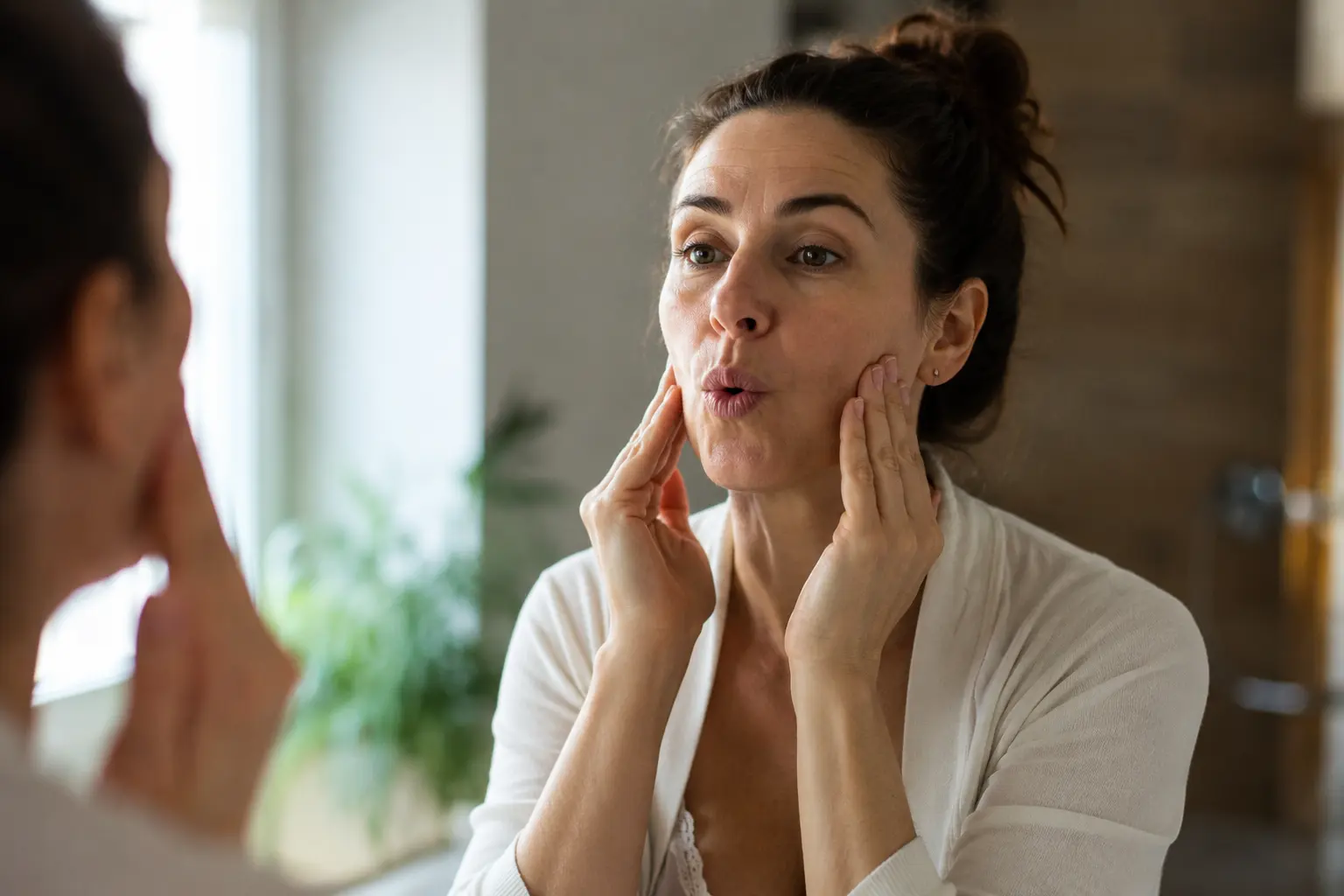
Your skin is breaking out, looking dull, and aging faster than it should, and you’re tired of throwing money at products that don’t work – but biohacking skin health naturally can actually turn this around if you know what to focus on.
Healthy diet for radiant skin
What you eat directly shows up on your face within weeks. Think of your skin as a reflection of your internal nutrition status. When you load up on antioxidants, vitamins, and healthy fats, you’re essentially feeding your skin cells the raw materials they need to repair and regenerate. A young adult eating a diet heavy in processed foods and refined sugars will notice their skin becomes inflamed, prone to breakouts, and loses that natural glow. Conversely, someone who shifts to whole foods starts seeing clearer, more vibrant skin. The mechanism is straightforward: antioxidants fight free radical damage that ages skin, vitamins support collagen and elastin production, and healthy fats maintain the skin barrier. Start by adding colorful vegetables, fatty fish like salmon, nuts, seeds, and berries to every meal. Notice how your skin responds over three to four weeks. You’ll likely see reduced inflammation, fewer breakouts, and a natural radiance that no serum can replicate.
- Consume more foods high in vitamin C, such as citrus fruits, to boost collagen production.
- Incorporate omega-3 fatty acids found in salmon and chia seeds to reduce inflammation and promote skin hydration.
- Limit processed sugar and dairy products, which can contribute to skin issues like acne and premature aging.
Stay hydrated for glowing skin
Dehydration is one of the most overlooked culprits behind dull, tired-looking skin. Your skin cells are mostly water, and when you’re not drinking enough, they shrivel slightly, making fine lines more visible and your complexion look flat. Most young adults underestimate how much water they actually need, especially if they’re active or live in a dry climate. The standard advice of eight glasses daily is a starting point, but your actual needs depend on your activity level, climate, and body size. A practical approach is to drink water consistently throughout the day rather than chugging large amounts at once. Herbal teas, coconut water, and water-rich foods like cucumbers and watermelon all count toward hydration. Notice the difference in your skin’s texture and plumpness within a week of prioritizing hydration. You’ll see fewer wrinkles, better elasticity, and a more luminous complexion. Hydration also supports your skin’s natural detoxification process, helping it shed dead cells more efficiently.
📘 Fix your day in under 2 minuteschoose where to begin:
Protect your skin with sunscreen
UV damage is cumulative and irreversible. Every unprotected minute in the sun adds up to premature aging, dark spots, and increased skin cancer risk. Young adults often skip sunscreen because they think damage only happens later in life, but the harm starts immediately and compounds over years. Sun exposure breaks down collagen and elastin, the proteins that keep skin firm and elastic. This is why people who spend decades in the sun look significantly older than their peers. The solution is simple but non-negotiable: wear SPF 30 or higher daily, even on cloudy days, because UV rays penetrate clouds. Apply sunscreen 15 minutes before going outside, then reapply every two hours if you’re sweating or swimming. Use about a quarter teaspoon for your face. Make it a habit like brushing your teeth. Within months of consistent sun protection, you’ll notice your skin tone evens out, existing sun damage stops worsening, and your overall complexion looks fresher and more youthful.
Establish a skincare routine
A consistent routine is the foundation of healthy skin. Your routine doesn’t need to be complicated, but it must be consistent. Start by identifying your skin type: oily, dry, combination, or sensitive. This determines which products will actually help versus irritate. A basic routine includes cleanse, tone, moisturize, and exfoliate. Cleanse twice daily to remove dirt, oil, and makeup that clog pores. Use a gentle cleanser suited to your skin type. Toning balances pH and prepares skin for other products. Moisturizing locks in hydration and supports your skin barrier. Exfoliate two to three times weekly to remove dead skin cells and boost cell turnover, which naturally slows as you age. Avoid harsh scrubs that damage skin; chemical exfoliants like AHAs or BHAs are gentler and more effective. The key is consistency. Your skin needs four to six weeks to adapt and show improvements. Many people abandon routines too early. Stick with it, and you’ll see clearer, smoother, more resilient skin. Choose products without harsh chemicals that strip or irritate, as these damage your skin barrier and cause long-term problems.
Get sufficient sleep and manage stress
Sleep is when your skin repairs itself. During deep sleep, your body increases blood flow to the skin and rebuilds collagen. Skipping sleep accelerates aging and worsens existing skin issues. Young adults often sacrifice sleep for work or social life, then wonder why their skin looks tired and breaks out. Aim for seven to nine hours nightly. Notice how your skin looks puffy, dull, and more prone to breakouts after poor sleep. Conversely, after several nights of quality sleep, your skin glows, inflammation decreases, and you look visibly refreshed. Stress also damages skin by triggering cortisol spikes, which increase inflammation and oil production, leading to breakouts and sensitivity. Manage stress through yoga, meditation, deep breathing, or any activity that calms your nervous system. Even ten minutes daily of intentional relaxation reduces stress hormones and improves skin clarity. Sleep and stress management work synergistically. Good sleep reduces stress, and stress management improves sleep quality. Prioritize both, and your skin will reflect the internal balance you’ve created.
Optimize your skin health with a balanced diet, adequate hydration, sunscreen protection, a skincare routine, quality sleep, and stress management.
How long does it take to see improvements in skin health through biohacking methods?
Results from skin biohacking methods can vary depending on individual factors like diet, lifestyle, and genetics. Consistent implementation of healthy habits may lead to visible improvements in skin health within a few weeks to a couple of months.
Can biohacking methods reverse aging signs on the skin?
Although biohacking methods can enhance skin health and appearance, they cannot completely reverse the natural aging process. However, adopting a holistic approach to skin care can help minimize the visible signs of aging and promote overall skin wellness.
Others also read:
Disclaimer: This article is for informational purposes only and is not a substitute for professional medical advice. Always consult a healthcare professional for personal guidance.
This guide has been prepared and reviewed by the GlobalHealthBeacon editorial team and reflects current medical research as of 2026. It provides structured, evidence-based information to support informed health decisions.
