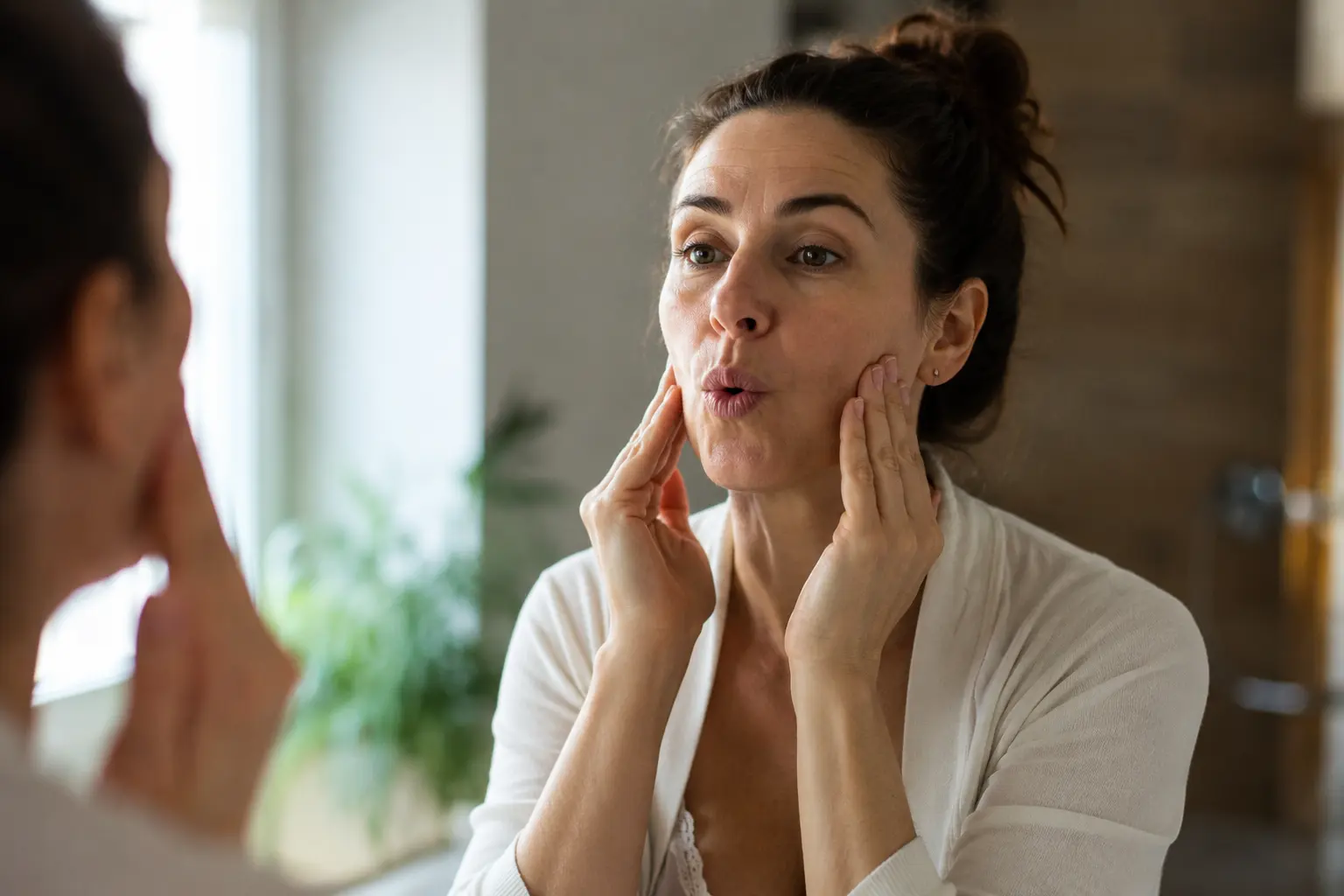
Your skin is breaking out, you’re exhausted, and you haven’t had a consistent skincare routine in months because life is chaos, but here’s the truth: biohacking skin health doesn’t require a dermatologist appointment or a bathroom cabinet full of expensive products, just a few strategic shifts that actually fit your life.
Hydration is key
Water isn’t just a beverage; it’s your skin’s internal delivery system. When you’re dehydrated, your skin becomes dull, tight, and more prone to breakouts because your body prioritizes vital organs over skin health. Picture this: you’re in back-to-back meetings, coffee in hand, skipping lunch, and by evening your skin feels papery and uncomfortable. That’s dehydration at work. Start by tracking your water intake for three days to establish a baseline. Most young adults consume far less than the recommended eight glasses daily, especially when work or school demands attention. Beyond drinking water, layer in a hydrating serum with hyaluronic acid, which holds up to 1000 times its weight in water and plumps skin cells from the inside out. Apply it to damp skin immediately after cleansing to lock in moisture. Common mistake: chugging water right before bed thinking it’ll help overnight. Your kidneys will process it faster than your skin can benefit, so spread intake throughout the day instead.
- Drink a minimum of 8 glasses of water daily.
- Use hydrating serums with ingredients like hyaluronic acid.
- Avoid excessive caffeine and alcohol consumption, as they can dehydrate the skin.
Nutritious diet for radiant skin
Your skin reflects what you eat. When you’re grabbing fast food between classes or surviving on energy drinks and takeout, your skin shows it within days. Consider a young professional who switched from processed snacks to whole foods: within two weeks, their acne reduced noticeably and their skin tone evened out. The reason is simple: antioxidants and vitamins in real food fight inflammation and support collagen production. Load your plate with berries packed with anthocyanins, avocados rich in healthy fats that support skin barrier function, and nuts containing selenium and zinc for skin repair. Don’t overcomplicate it. If you’re busy, prep a simple bowl: mixed greens, grilled chicken, blueberries, almonds, and olive oil. Eat it three times weekly and notice the difference. Omega-3 fatty acids from salmon or chia seeds reduce inflammatory skin conditions like acne and eczema. The mistake most young adults make: thinking they need to overhaul their entire diet overnight. Start with one meal swap per week. Replace one sugary snack with berries. Add one fish meal monthly. Small consistency beats perfect intentions.
📘 Fix your day in under 2 minuteschoose where to begin:
Protect your skin with SPF
UV damage is cumulative and invisible until it’s too late. You don’t feel sunburn happening in the moment, just like you don’t feel collagen breaking down, but both are occurring. Imagine spending a summer without sunscreen: by fall, your skin looks tired, texture changes appear, and dark spots emerge. That’s years of aging compressed into months. Broad-spectrum SPF 30 blocks 97 percent of UVB rays, while SPF 50 blocks 98 percent, so the jump isn’t dramatic but consistency matters more than the number. The real issue: most people apply half the amount needed. You need a quarter-teaspoon for your face alone. Apply it as the last step of your morning routine, wait two minutes, then go about your day. Reapply every two hours if you’re outdoors, or after swimming. For busy schedules, use a moisturizer with SPF built in, but don’t skip the dedicated sunscreen step because moisturizers typically contain insufficient SPF amounts. Common mistake: thinking sunscreen is only for beach days. Daily UV exposure during your commute, lunch break, or sitting near windows adds up significantly. Make it non-negotiable like brushing your teeth.
Quality sleep for skin regeneration
Your skin doesn’t repair during the day; it repairs at night. When you’re pulling all-nighters or sleeping five hours regularly, your skin enters survival mode. Blood flow decreases, collagen production slows, and inflammatory markers rise, making acne worse and healing slower. Think about how your skin looks after a poor night: puffy, dull, reactive. Now imagine that state becoming permanent because you’re chronically sleep-deprived. Your skin needs seven to nine hours nightly to complete its regeneration cycle. During deep sleep, growth hormone peaks, triggering cell turnover and collagen synthesis. If you’re struggling with sleep, start with sleep hygiene basics: no screens one hour before bed, room temperature between 60 and 67 degrees Fahrenheit, and a consistent bedtime. Invest in a silk pillowcase, which reduces friction and prevents sleep creases that can become permanent wrinkles over time. Track your sleep for two weeks and correlate it with your skin condition. Most young adults discover their breakouts cluster after nights with less than six hours. The mistake: assuming skincare products can compensate for poor sleep. They can’t. Sleep is non-negotiable for skin health.
Stress management for clear skin
Stress triggers cortisol release, which increases sebum production and weakens your skin barrier, making you prone to breakouts exactly when you’re most stressed. You’ve probably noticed this: exam week arrives, and suddenly you have a breakout. That’s not coincidence; it’s biology. Chronic stress keeps cortisol elevated, creating an environment where acne thrives. A student who started a ten-minute daily meditation practice reported clearer skin within three weeks because stress hormones normalized. You don’t need an hour-long yoga class, though that helps. Start with five minutes of deep breathing: inhale for four counts, hold for four, exhale for six. Do this three times daily. The extended exhale activates your parasympathetic nervous system, signaling your body that the threat has passed. Other options: a twenty-minute walk, journaling, or even a hobby you enjoy. The key is consistency. Stress management isn’t luxury; it’s maintenance. Common mistake: waiting until you’re overwhelmed to address stress. Build practices into your routine now, before crisis hits. Your skin will thank you.
Healthy, glowing skin for busy young adults comes down to five interconnected practices: staying hydrated by drinking water consistently and using hydrating serums, eating nutrient-dense foods like berries and avocados that support skin from within, protecting against UV damage with daily broad-spectrum SPF, prioritizing seven to nine hours of quality sleep for cellular regeneration, and managing stress through meditation or movement to keep cortisol in check. These aren’t complicated biohacking techniques; they’re foundational practices that work together to support your skin’s natural functions and resilience.
Can biohacking improve my skin health?
Yes. Biohacking skin health means optimizing the controllable factors that directly impact skin function: hydration, nutrition, sun protection, sleep, and stress. These aren’t shortcuts or miracle fixes; they’re evidence-based practices that support your skin’s natural repair and regeneration processes. Results depend on consistency and your individual skin type, but most people notice improvements within two to four weeks.
How long does it take to see results from biohacking skin health?
Some benefits appear immediately: better hydration makes skin look plumper within hours, and stress reduction can calm inflammation within days. Visible improvements in texture, tone, and breakout frequency typically emerge within two to four weeks of consistent practice. Deeper changes like reduced hyperpigmentation or improved skin elasticity take six to twelve weeks. The timeline depends on your starting point, skin type, and how strictly you implement these practices.
Others also read:
Disclaimer: This article is for informational purposes only and is not a substitute for professional medical advice. Always consult a healthcare professional for personal guidance.
This guide has been prepared and reviewed by the GlobalHealthBeacon editorial team and reflects current medical research as of 2026. It provides structured, evidence-based information to support informed health decisions.
