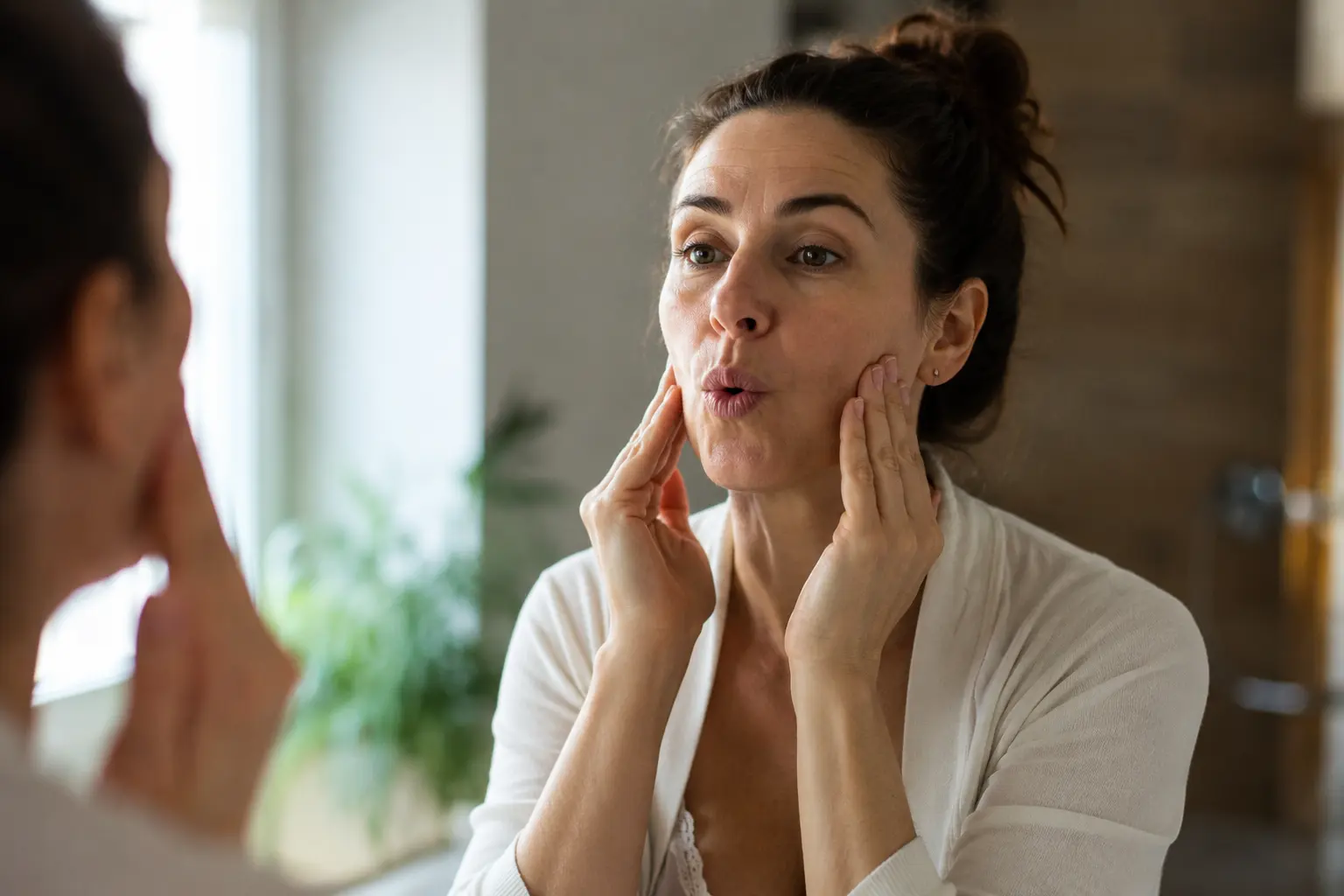
Your skin feels dull, reactive, and tired no matter what you slather on it, and you’re exhausted by the endless cycle of expensive products that promise everything and deliver nothing, but biohacking skin health means working with your body’s natural systems instead of against them, and the results speak for themselves.
Superfood skincare: feed your skin from within
What you eat directly shows up on your face within weeks. Think of your skin as a reflection of your internal ecosystem. When you load your plate with nutrient-dense foods, you’re essentially giving your skin cells the raw materials they need to repair, regenerate, and maintain that plump, radiant quality. Blueberries are packed with anthocyanins, powerful antioxidants that neutralize free radicals before they damage collagen and elastin. Kale delivers vitamins A and C, which boost cell turnover and strengthen your skin barrier against environmental stressors. Avocados provide healthy monounsaturated fats and vitamin E, creating a moisture-rich environment inside your cells. Consider a woman who swapped her afternoon snacks of processed crackers for a handful of blueberries and a slice of avocado toast. Within three weeks, she noticed her skin looked less inflamed and her foundation applied more smoothly. The shift wasn’t dramatic, but it was real. Start by adding one superfood to each meal and observe how your skin responds over four to six weeks.
- Blueberries are packed with antioxidants that fight free radicals and boost collagen production.
- Kale is high in vitamins A and C, essential for skin repair and UV damage protection.
- Avocados are rich in healthy fats that keep your skin supple and hydrated.
Hydration heroics: drink your way to glowing skin
Dehydration is silent and sneaky. Your skin doesn’t announce it’s thirsty; instead, it becomes tight, flaky, and prone to overproducing oil to compensate. Drinking water isn’t just about quenching thirst; it’s about maintaining the fluid balance that keeps your skin cells plump and your complexion clear. Aim for at least eight glasses daily, but adjust based on your activity level, climate, and individual needs. A practical approach: drink a full glass of water when you wake up, before each meal, and before bed. Keep a reusable bottle at your desk or in your bag as a visual reminder. Many women find that increasing water intake also reduces bloating, improves energy, and sharpens mental clarity as a bonus. One client noticed that her persistent under-eye puffiness disappeared after two weeks of consistent hydration, simply because her body no longer needed to retain water. The key is consistency, not perfection. If you forget sometimes, that’s normal; just return to the habit the next day.
📘 Fix your day in under 2 minuteschoose where to begin:
Beauty sleep secrets: rejuvenate your skin overnight
Sleep is when your skin does its most important work. During deep sleep, your body increases blood flow to the skin and rebuilds collagen, making nighttime the ultimate beauty treatment you cannot buy. When you shortchange yourself on sleep, cortisol rises, triggering inflammation and breaking down skin-supporting proteins. Create a wind-down routine starting 30 minutes before bed: dim the lights, put your phone away, and do something calming like reading or gentle stretching. Aim for seven to nine hours nightly. Your skin repairs most actively between 11 p.m. and 3 a.m., so earlier bedtimes offer an advantage. A woman who shifted her bedtime from midnight to 10:30 p.m. reported clearer skin within two weeks, reduced under-eye darkness, and a more even skin tone. She also felt less irritable and had more energy during the day. Sleep quality matters as much as quantity, so invest in blackout curtains, a cool room temperature around 65 to 68 degrees Fahrenheit, and a comfortable pillow. Your skin will thank you with a visible glow.
Sun protection power: shield your skin from harmful UV rays
Sun damage is cumulative and irreversible, making daily SPF non-negotiable for long-term skin health. UV rays break down collagen and elastin, causing wrinkles, age spots, and texture changes that no serum can fully reverse. Choose a broad-spectrum sunscreen with at least SPF 30 and apply it every morning, even on cloudy days or when you plan to stay indoors. Reapply every two hours if you are outside, after swimming, or after sweating during exercise. Many women underestimate how much sunscreen they need; aim for about one quarter teaspoon for your face and neck. A practical routine: apply sunscreen as the last step of your morning skincare, before makeup. Consider a mineral sunscreen with zinc oxide or titanium dioxide if your skin is sensitive or acne-prone. One woman who started wearing SPF daily at age 35 noticed that her skin texture improved, new spots stopped appearing, and her existing sun damage faded slightly over a year. Consistency is everything. Missing sunscreen one day won’t derail you, but making it a daily habit is what creates visible, lasting protection.
Stress management strategies: maintain skin harmony
Chronic stress floods your body with cortisol, a hormone that triggers inflammation, disrupts your skin barrier, and can spark acne, eczema flare-ups, or unexplained sensitivity. Your skin is incredibly responsive to your nervous system, so calming your mind directly calms your skin. Find a stress-relief practice that fits your life: yoga, meditation, deep breathing, journaling, or even a 20-minute walk in nature. Start small. A woman who added just 10 minutes of daily meditation noticed her jaw tension eased, her skin looked less inflamed, and her breakouts became less frequent within three weeks. Another found that a 30-minute yoga session twice weekly reduced her stress-related acne significantly. The practice doesn’t have to be perfect or lengthy; consistency matters more than intensity. When you feel stress rising, pause and take five deep breaths, breathing in for four counts and out for six. This simple act activates your parasympathetic nervous system, signaling your body that it is safe. Over time, these practices compound, creating a calmer internal environment that your skin reflects back to you.
Enhance your skin health naturally through superfood skincare, hydration, quality sleep, sun protection, and stress management.
How long does it take to see results from skin biohacking practices?
Results from skin biohacking can vary depending on individual factors like age, lifestyle, and genetics. Consistent implementation of these practices can lead to visible improvements in skin health over weeks to months.
Can skin biohacking help with specific skin conditions?
While skin biohacking can support overall skin health, it is essential to consult a dermatologist for specific skin conditions like eczema, acne, or psoriasis. These practices can complement professional treatments but may not be a sole solution.
Others also read:
Disclaimer: This article is for informational purposes only and is not a substitute for professional medical advice. Always consult a healthcare professional for personal guidance.
This guide has been prepared and reviewed by the GlobalHealthBeacon editorial team and reflects current medical research as of 2026. It provides structured, evidence-based information to support informed health decisions.
