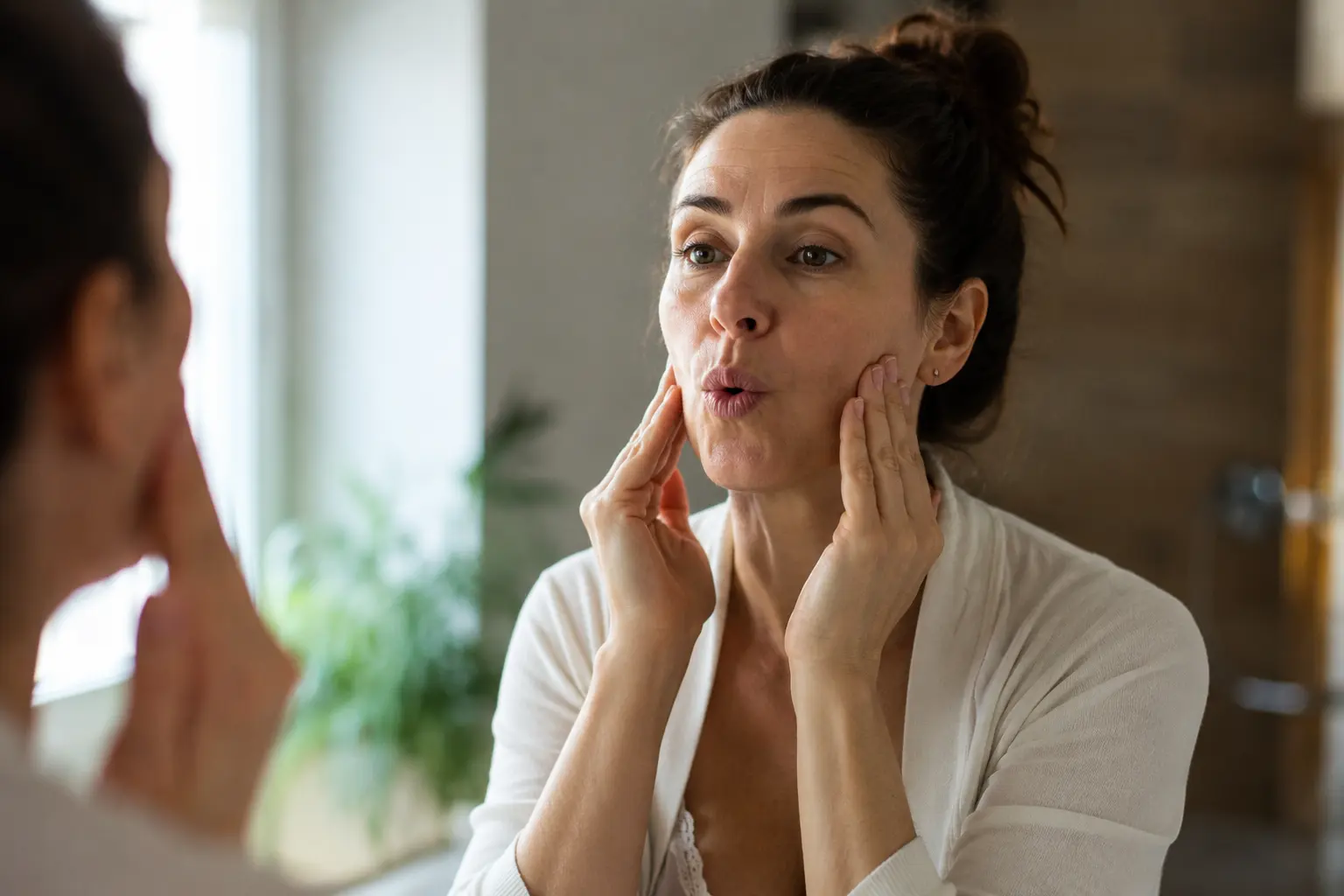
You look in the mirror and barely recognize yourself anymore, fine lines deepening into crevices, age spots spreading like unwanted souvenirs, and that sagging feeling that makes you feel invisible even when you’re standing right there, but here’s what actually works for skin health aging instead of empty promises.
Retinol: the skin savior
I remember when Margaret from my book club first mentioned retinol, I was skeptical. She’d been battling stubborn wrinkles around her eyes for years, the kind that made her look perpetually tired even after a full night’s sleep. Within weeks of using a retinol cream, she looked noticeably fresher. The magic behind retinol is that it’s vitamin A in a form your skin actually recognizes and uses. It nudges your skin cells to turn over faster, which sounds simple until you realize that’s exactly what reverses years of sun damage and neglect. Start slow though, because retinol can make your skin feel sensitive at first. Many seniors I’ve spoken with made the mistake of jumping to high concentrations and ended up with red, irritated skin. Begin with a low-strength product once or twice weekly, then gradually increase frequency as your skin adapts.
- Reduces the appearance of wrinkles and fine lines
- Evens out skin tone and fades dark spots
- Enhances skin firmness and elasticity
Hyaluronic acid: the hydration hero
Picture this: your skin feels like parchment paper, tight and uncomfortable no matter how much lotion you slather on. That’s what happens when your skin loses its ability to hold moisture, something that accelerates after 60. Hyaluronic acid changed everything for Robert, a retired teacher who’d given up on looking refreshed. This ingredient works like a moisture magnet, pulling water from the environment and deeper layers into your skin’s surface. One bottle lasted him months because a little goes a long way. The trick is applying it to damp skin right after cleansing, then sealing it with a moisturizer so that hydration actually stays put. Without that final step, you’re just watching the moisture evaporate. He noticed his rough patches smoothed out within two weeks, and his skin looked plumper, less creepy.
💬 Ready to feel better in 2 minutes?choose where to begin:
Vitamin C serum: the brightening booster
Dull, grayish skin is one of those aging signs nobody warns you about until it’s staring back at you. Susan felt like her complexion had lost its glow somewhere between turning 65 and dealing with a decade of sun exposure. Vitamin C serums are potent antidotes because this antioxidant brightens from within while also protecting against future damage. She applied it each morning before sunscreen and noticed her skin looked more radiant within three weeks. The catch is that vitamin C oxidizes quickly, so you need to store it away from light and heat, and replace it every few months. Many seniors buy a bottle and forget about storage, then wonder why it stopped working. When applied correctly, vitamin C reduces those stubborn age spots and gives your face that vital, awake quality that makes you feel younger than your years.
Sunscreen: the ultimate defense
Every senior I’ve interviewed about skin aging eventually circles back to sunscreen as the one product they wish they’d used religiously decades ago. Tom spent his career outdoors without proper protection, and now he’s dealing with sun damage that costs him thousands in treatments. The heartbreaking truth is that sunscreen isn’t glamorous or exciting, but it’s the single most important anti-aging product you can use. UV rays damage collagen and elastin, the very structures that keep skin firm and smooth. He now uses a daily facial sunscreen with at least SPF 30, and reapplies every two hours when outside. Many seniors skip this step because they think their moisturizer has enough sun protection, but it rarely does. Don’t make that mistake. Think of sunscreen as insurance against future regret, protecting not just against wrinkles but against skin cancer risk that increases significantly with age.
Discover the top skincare essentials that have truly delivered results for seniors battling skin aging. From retinol to sunscreen, these products address common concerns like wrinkles, dryness, and uneven skin tone with proven effectiveness.
Are these products safe for sensitive skin?
While most seniors tolerate these products well, it’s essential to patch-test before full application to ensure compatibility with sensitive skin types.
How long does it take to see results?
Results may vary, but most seniors notice improvements in skin texture and tone within a few weeks of consistent use of these products.
Others also read:
Disclaimer: This article is for informational purposes only and is not a substitute for professional medical advice. Always consult a healthcare professional for personal guidance.
This article presents an experience-based perspective and has been reviewed by the GlobalHealthBeacon editorial team in 2026. It provides structured, evidence-based information to support informed health decisions.
