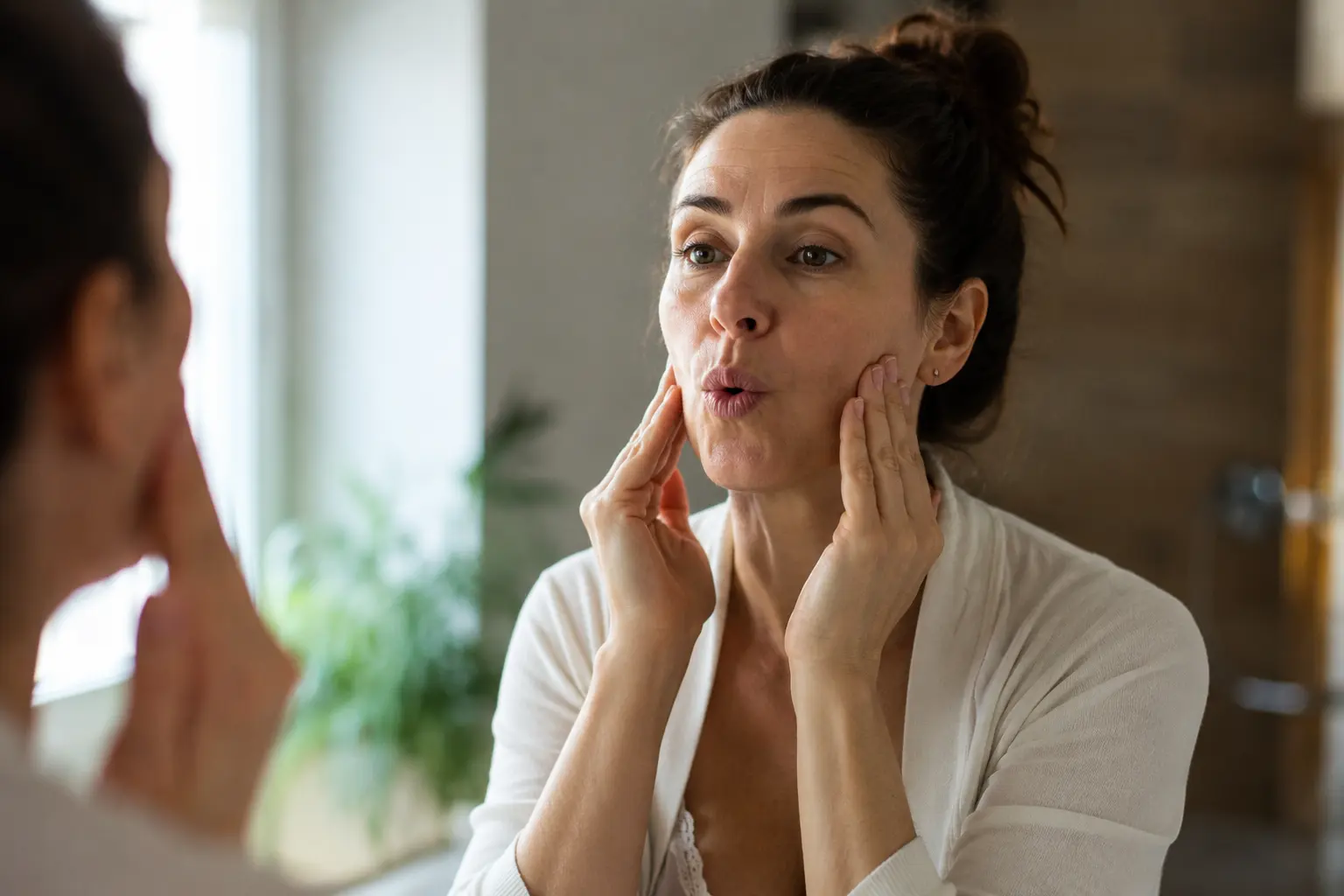
Fine lines deepening, skin losing that firmness you remember, dark spots multiplying like unwanted guests on your face? You’re not alone, and the good news is that understanding which skin health aging treatments actually work can transform how you feel about your reflection.
Understanding common anti-aging treatments
Walking into a skincare aisle or scrolling through product reviews can feel overwhelming when you’re trying to figure out what actually works. The anti-aging market is flooded with options, each claiming to be the solution you’ve been searching for. Retinoids, peptides, hyaluronic acid, vitamin C serums, exfoliants – the list goes on. What matters is understanding how these ingredients work and which ones align with your specific skin concerns. Think of it this way: if you were building a house, you wouldn’t use the same materials for the foundation as you would for the roof. Similarly, your skin at 60 has different needs than it did at 40. Some treatments work by boosting cell turnover, others by hydrating deeply or stimulating collagen production. The key is matching the right treatment to your skin type and concerns, whether that’s dryness, sensitivity, uneven tone, or loss of elasticity. Starting with a basic understanding of what each category does helps you make informed choices rather than chasing trends.
- Explore the effectiveness of topical antioxidants like Vitamin C and E.
- Learn about the role of exfoliants such as alpha hydroxy acids (AHAs) and beta hydroxy acids (BHAs).
- Understand how hyaluronic acid can help plump the skin and reduce the appearance of fine lines.
Assessing the benefits of retinoids
Retinoids are derived from Vitamin A and have decades of scientific backing behind them. They work by increasing cell turnover and stimulating collagen production, which is why dermatologists often recommend them as a cornerstone of any serious anti-aging routine. Imagine your skin cells as a factory assembly line that slows down with age. Retinoids essentially speed that line back up, helping newer, fresher cells reach the surface faster. For someone in their 60s or 70s, this can mean noticeable improvements in fine lines, texture, and overall radiance within 8 to 12 weeks of consistent use. However, retinoids aren’t one-size-fits-all. Prescription-strength options like tretinoin are powerful but require medical supervision. Over-the-counter retinol is gentler and a good starting point. The common mistake many people make is jumping to the strongest version too quickly, which can cause irritation, redness, and peeling that discourages them from continuing. Start low and go slow. A dermatologist can assess your skin type, any sensitivities you have, and recommend the right retinoid strength and frequency for your needs.
📘 Fix your day in under 2 minuteschoose where to begin:
Exploring the role of peptides
Peptides are short chains of amino acids that act like messengers in your skin, signaling your cells to produce more collagen and elastin. Think of them as tiny coaches telling your skin to get back into shape. Products containing peptides like palmitoyl tripeptide-1 and palmitoyl tetrapeptide-7 have shown promise in reducing fine lines and improving skin firmness, particularly around delicate areas like the eyes and neck. What makes peptides appealing is that they’re generally well-tolerated by sensitive skin and work gently without the irritation that sometimes comes with stronger actives. A 70-year-old with reactive skin might find that a peptide serum combined with a good moisturizer delivers visible results without the redness or flaking. Many seniors report that peptide-based products feel luxurious and absorb quickly, making them easy to incorporate into a morning or evening routine. The downside is that peptides work more subtly than retinoids, so results take longer to appear, usually 6 to 8 weeks. Combining peptides with other treatments like vitamin C or hyaluronic acid often produces better results than using them alone.
Understanding the impact of lifestyle choices
Here’s the truth that no serum or cream can fully compensate for: what you do off your face matters as much as what you put on it. Sun exposure is the number one external factor that ages skin, causing wrinkles, age spots, and leathery texture. If you’ve spent decades in the sun without protection, your skin shows it. But moving forward, daily SPF 30 or higher, reapplied every two hours when outdoors, can prevent further damage and actually allow your skin to repair itself over time. Hydration is equally crucial. Many seniors don’t drink enough water, and dehydrated skin looks dull, emphasizes fine lines, and feels uncomfortable. Aim for 8 to 10 glasses daily, more if you’re active or live in a dry climate. Your diet also plays a starring role. Foods rich in antioxidants like berries, leafy greens, fatty fish, and nuts support skin health from the inside out. A 65-year-old who switched to a Mediterranean-style diet rich in olive oil, fish, and vegetables often sees improvements in skin texture and radiance within weeks. Sleep quality matters too. During deep sleep, your body increases blood flow to the skin and rebuilds collagen. Poor sleep accelerates visible aging. Finally, stress management through gentle exercise, meditation, or hobbies can reduce inflammation that ages skin prematurely.
Exploring non-invasive procedures
If topical treatments and lifestyle changes alone aren’t delivering the results you want, non-invasive procedures offer a middle ground between skincare and surgery. Microdermabrasion uses tiny crystals or a diamond tip to gently exfoliate the outer layer of skin, revealing smoother, brighter skin underneath. It’s particularly effective for age spots and rough texture. Laser therapy works differently, using focused light energy to stimulate collagen production deep in the skin and address concerns like redness, broken capillaries, and pigmentation issues. Many seniors find that a series of laser treatments produces results comparable to more invasive procedures but with minimal downtime. Chemical peels use acids to remove damaged outer layers, promoting cell turnover and revealing fresher skin. A qualified dermatologist can customize the strength based on your skin’s tolerance. Radiofrequency treatments tighten skin by heating deeper layers, which is helpful for sagging or loss of elasticity. The key is consulting with a board-certified dermatologist who can assess your skin, discuss realistic expectations, and explain any risks or side effects. These procedures aren’t one-time fixes; most require a series of sessions spaced weeks apart, and results continue improving for months afterward.
Learn about common anti-aging treatments like retinoids and peptides, understand the importance of lifestyle choices, and explore non-invasive procedures to combat skin health aging naturally.
Are anti-aging treatments safe for seniors?
Most anti-aging treatments are safe for seniors when used under the guidance of a healthcare professional. It’s crucial to consult with a dermatologist to ensure the treatment aligns with your skin type and medical history.
What lifestyle habits can support skin health aging?
Maintaining a healthy diet rich in antioxidants, staying hydrated, and practicing sun protection are vital lifestyle habits to support skin health aging naturally. Regular exercise and quality sleep also play a significant role.
Others also read:
Disclaimer: This article is for informational purposes only and is not a substitute for professional medical advice. Always consult a healthcare professional for personal guidance.
This guide has been prepared and reviewed by the GlobalHealthBeacon editorial team and reflects current medical research as of 2026. It provides structured, evidence-based information to support informed health decisions.
