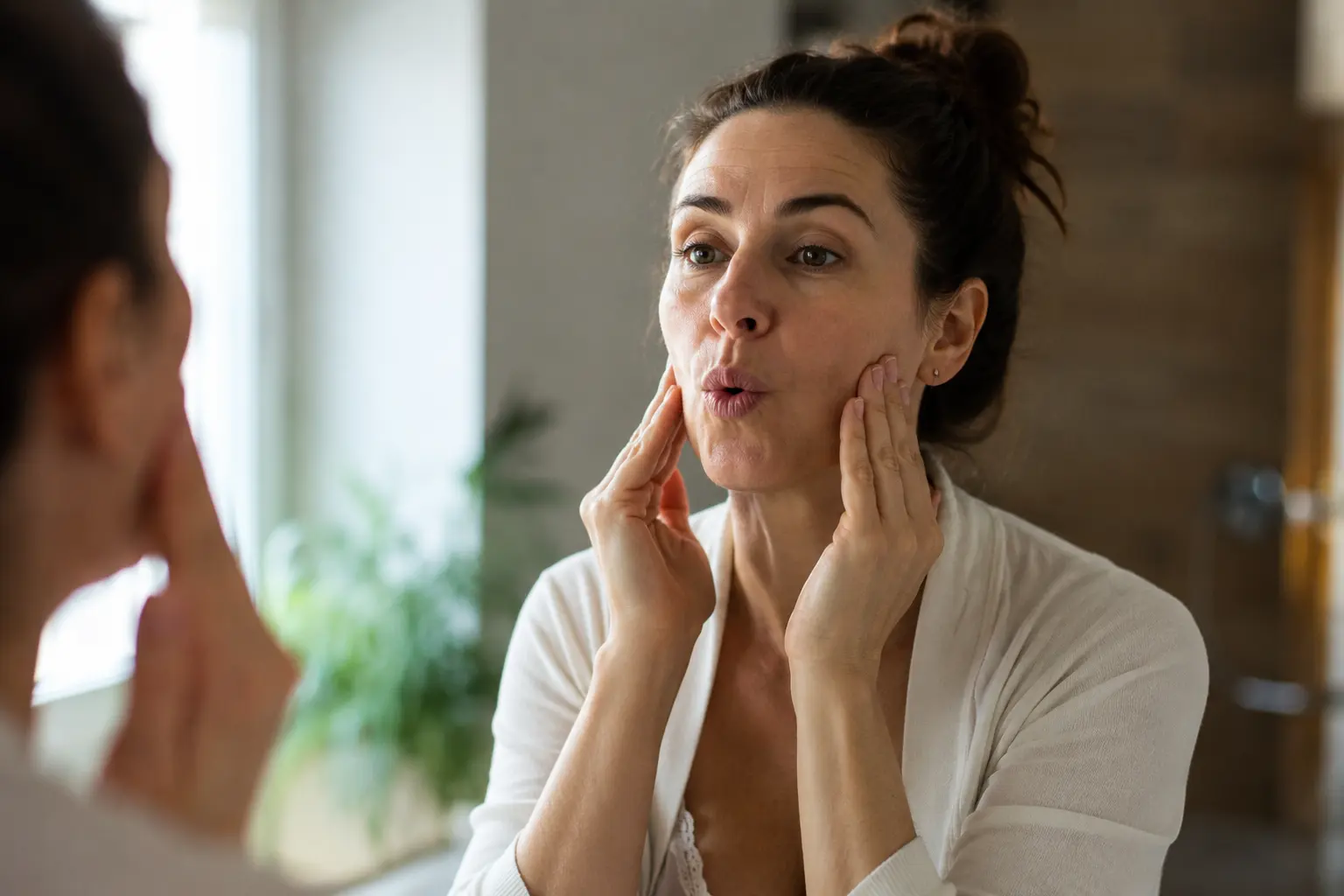
You look in the mirror and barely recognize yourself anymore – your skin feels thinner, drier, and those lines seem to have multiplied overnight, but understanding how skin health aging actually works at the cellular level is the first step toward taking real control of what happens next.
Impact of time on skin cells
As we age, our skin cells undergo a profound transformation that goes far deeper than what we see on the surface. The outermost layer of the skin, called the epidermis, gradually thins out over the years. This thinning happens because the rate at which new skin cells are produced slows down, while the protective barrier that keeps moisture locked in becomes increasingly compromised. When the epidermis weakens, it loses its ability to retain water effectively, which is why many people notice their skin feeling parched no matter how much lotion they apply. Simultaneously, the production of collagen and elastin, the proteins responsible for keeping skin firm and bouncy, declines significantly. A 60-year-old typically has about 25 percent less collagen than they did at age 30. This loss of structural support leads to the formation of wrinkles, sagging, and that creepy texture that develops around the eyes and mouth. The skin becomes more fragile and susceptible to damage from even minor trauma.
Cellular communication breakdown
Imagine your skin cells as a community that relies on constant conversation to function smoothly. With aging, this communication network begins to deteriorate. Cells use chemical messengers called cytokines to signal each other about repair needs, inflammation levels, and regeneration priorities. When this signaling becomes less efficient, cells miss important cues about when to heal damage or when to trigger protective responses. This breakdown means your skin struggles to mount an effective defense against environmental assault. UV rays penetrate more easily because the damaged cells cannot coordinate a proper protective response. Pollutants and free radicals cause more extensive damage because the repair crews are not receiving urgent messages to mobilize. Think of it like a town where the emergency alert system has stopped working properly. Fires start, but the fire department does not get the call in time. Your skin becomes increasingly vulnerable to oxidative stress, inflammation, and accelerated aging, creating a downward spiral where damage accumulates faster than it can be repaired.
Cellular renewal slowdown
The machinery that keeps your skin young and vibrant gradually loses power as you age. Mitochondria, the energy factories inside your cells, become less efficient at producing ATP, the fuel that powers all cellular activities. When energy production drops, skin cells cannot perform their maintenance tasks effectively. Stem cells, which are like the youth reserve team in your skin, become less active and divide more slowly. These specialized cells are responsible for generating fresh new skin cells to replace old, damaged ones. As stem cell activity declines, the skin’s regenerative capacity weakens dramatically. Meanwhile, cellular waste products accumulate because the cleanup crews cannot work fast enough. Dead skin cells, damaged proteins, and metabolic byproducts pile up, interfering with the natural exfoliation process. This creates a vicious cycle where old, dysfunctional cells linger longer on the skin surface, making your complexion look dull and tired. The skin essentially becomes sluggish, unable to refresh itself the way it did when you were younger. What once took 28 days for a complete skin cell turnover might now take 40 or 50 days, leaving you with a tired-looking complexion.
- Maintain a healthy diet rich in antioxidants to support cellular health and protect against free radical damage.
- Stay hydrated to help flush out toxins and promote cellular renewal and nutrient transport.
- Use skincare products with ingredients like retinol to stimulate collagen production and accelerate cell turnover.
🔬 Science-backed benefits in 2 minuteschoose where to begin:
Vascular changes and skin aging
The tiny blood vessels that nourish your skin become increasingly fragile as you age, much like old rubber hoses that crack and leak. The walls of these capillaries lose elasticity and become thinner, making them prone to rupture from minor bumps or pressure. This is why older adults often notice bruises appearing from seemingly nothing, or spider veins becoming more visible on the legs and face. Beyond cosmetic concerns, these vascular changes have serious functional consequences. Blood flow to the skin decreases overall, meaning fewer nutrients and oxygen reach the cells that need them most. Collagen-building fibroblasts receive less fuel, so they produce even less of the structural protein your skin depends on. Waste removal becomes sluggish because the circulatory system cannot efficiently carry away metabolic byproducts. Wound healing slows dramatically because the inflammatory response and tissue repair process both depend on robust blood flow. A cut that healed in a week at age 25 might take three weeks at age 70. The skin also becomes paler and more translucent because there is less blood flowing through the dermis, giving it that characteristic aged appearance.
Impact of hormonal changes
Hormonal shifts during menopause, perimenopause, and andropause create a perfect storm for accelerated skin aging. Estrogen, which has been supporting skin health for decades, drops dramatically during menopause. This hormone plays crucial roles in maintaining skin thickness, regulating oil production, and stimulating collagen synthesis. When estrogen levels plummet, the skin loses one of its most powerful allies. The dermis, the thick layer beneath the surface, becomes noticeably thinner because estrogen loss directly reduces collagen and elastin production. Skin moisture retention plummets because estrogen helps regulate hyaluronic acid production, a molecule that holds water in the skin. Many women report that their skin suddenly feels dry and uncomfortable during this transition, despite using the same moisturizers they have always used. The skin also becomes more sensitive and prone to irritation because the protective barrier function deteriorates. Men experience similar but somewhat different changes during andropause, with declining testosterone affecting skin thickness and healing capacity. Both sexes notice increased sagging, dryness, and a loss of that plump, youthful appearance that hormones once maintained effortlessly.
Environmental factors and aging
Your skin does not age in isolation. Every day, it battles environmental stressors that accelerate cellular damage and aging. UV radiation from the sun is perhaps the most significant culprit, penetrating the skin and generating free radicals that attack cellular DNA and proteins. These unstable molecules damage collagen fibers, mutate skin cells, and trigger chronic inflammation. Over decades, this accumulates into photoaging, which accounts for up to 80 percent of visible skin aging. Air pollution particles settle on your skin and penetrate pores, generating additional free radicals and triggering inflammatory responses. Smoking accelerates aging dramatically by depleting antioxidants, reducing blood flow, and creating thousands of free radicals with every cigarette. Even secondhand smoke exposure contributes to skin damage. Indoor air pollution, harsh soaps, and extreme temperatures also take their toll. The cumulative effect of these environmental assaults is like leaving your skin unprotected in a hostile environment. Someone who has spent decades in the sun with minimal protection will have visibly aged skin compared to someone who has been diligent about sun protection, demonstrating how much control we actually have over our skin’s aging trajectory.
Cellular aging affects skin structure, function, and appearance, leading to changes like thinning, loss of elasticity, and decreased regeneration. Understanding these processes can guide effective skincare practices as we age.
How can I protect my skin from accelerated aging?
To protect your skin, wear sunscreen daily, stay hydrated, eat a balanced diet rich in antioxidants, and avoid smoking. Using skincare products with retinol and vitamin C can also help stimulate collagen production.
Are there any natural remedies to slow down skin aging?
Some natural remedies like staying hydrated, eating foods high in antioxidants, practicing stress-reducing activities like yoga or meditation, and getting enough sleep can support skin health and slow down the aging process.
Others also read:
Disclaimer: This article is for informational purposes only and is not a substitute for professional medical advice. Always consult a healthcare professional for personal guidance.
This article has been prepared and reviewed by the GlobalHealthBeacon editorial team and is based on current medical research and published scientific literature available in 2026. It provides structured, evidence-based information to support informed health decisions.
