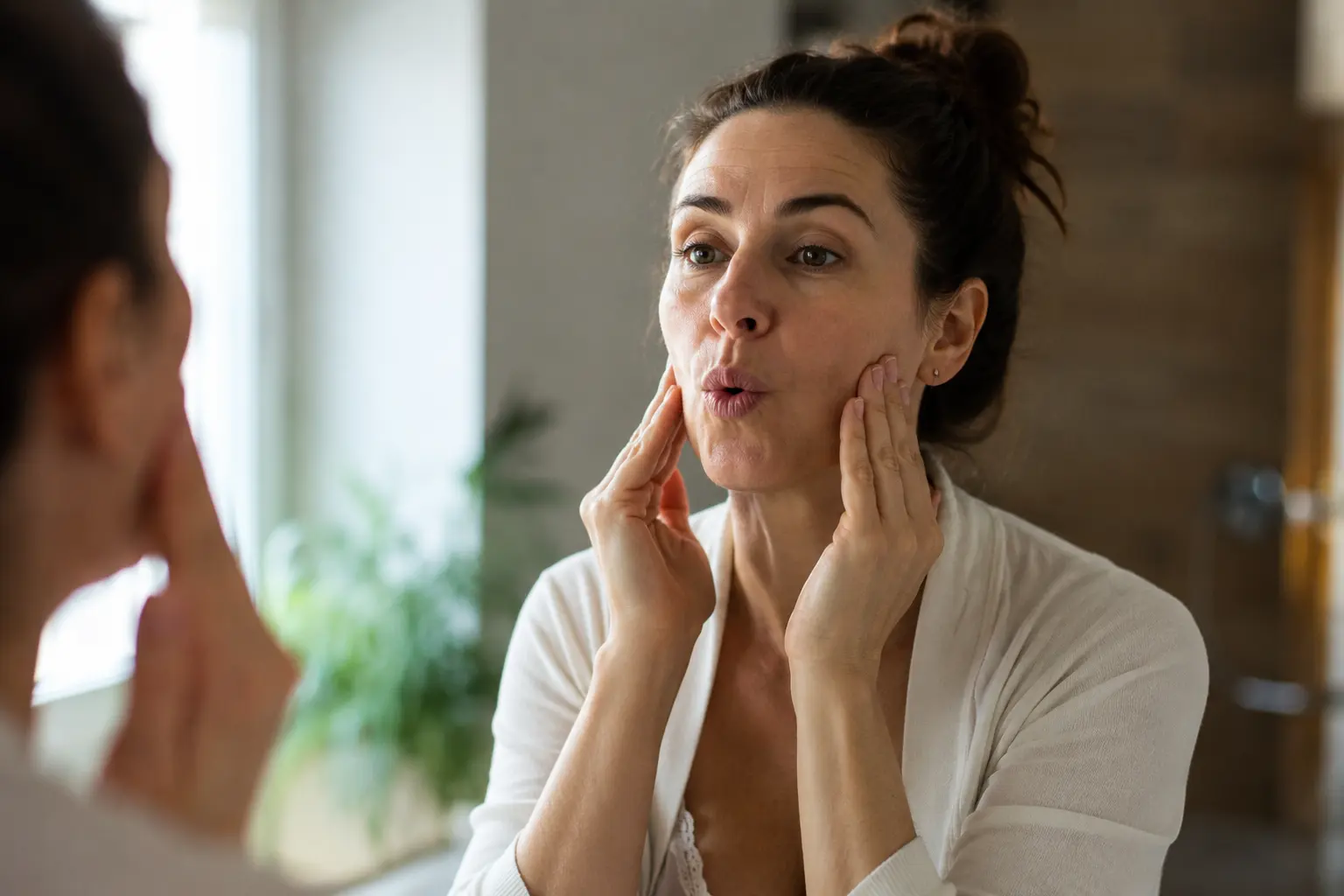
You look in the mirror and barely recognize yourself anymore – fine lines have turned into deep creases, your skin feels paper-thin and dry no matter how much lotion you slather on, and those brown spots you ignored five years ago have multiplied across your cheeks and hands like unwelcome reminders that time waits for no one, but here’s the thing: understanding what’s actually happening to your skin health aging process is the first step toward feeling in control again instead of helpless.
Understanding skin aging: what you need to know
When Margaret, a 68-year-old retired teacher, first noticed her skin changing, she thought it was just a phase. The wrinkles around her eyes deepened every year, her jawline softened, and her skin took on a papery texture that no amount of moisturizer seemed to fix. What she didn’t realize was that her skin was undergoing a fundamental shift at the cellular level. As we age, our bodies produce less collagen, the protein that gives skin its firmness and bounce. At the same time, elastin fibers break down, making skin less resilient. Cell turnover slows dramatically, meaning dead skin cells linger longer on the surface instead of being naturally shed. These biological changes aren’t failures or signs that something is wrong with you. They’re simply how our bodies work as we accumulate years. Understanding this process helped Margaret stop blaming herself and start working with her skin instead of against it.
- Wrinkles are caused by a combination of factors including sun exposure, genetics, and lifestyle habits.
- Regular use of sunscreen can help prevent further sun damage and minimize the appearance of wrinkles.
- Hydration is key for maintaining skin elasticity and reducing the effects of aging.
Skincare routines for aging skin
David spent years using the same harsh soap and generic moisturizer he’d used since his 40s, wondering why his skin felt increasingly uncomfortable and tight. When he finally switched to a gentler approach, everything changed. A good skincare routine for aging skin isn’t complicated, but it does need to be intentional. Start with a creamy, non-stripping cleanser that removes dirt and oil without leaving your face feeling raw. Follow with a hydrating serum packed with ingredients like hyaluronic acid that plump skin from within. Then layer on a rich moisturizer containing antioxidants such as vitamin C or green tea extract to nourish and protect. Don’t skip gentle exfoliation either, but here’s the key: do it once or twice weekly, not daily. This removes the buildup of dead skin cells that makes aging skin look dull and tired. Many seniors make the mistake of over-exfoliating or using products that are too harsh, which actually damages the skin barrier and makes aging worse. The goal is consistency and gentleness, not aggressive treatment.
💬 Ready to feel better in 2 minutes?choose where to begin:
Lifestyle factors that influence skin aging
Rose noticed something interesting when she finally quit smoking at 72. Within weeks, her skin looked fresher, less gray and ashy. She’d spent decades dismissing the connection between her habits and her appearance, but the evidence was undeniable. What you eat, drink, and do every single day directly impacts how your skin ages. A diet rich in colorful fruits and vegetables provides antioxidants that fight cellular damage. Omega-3 fatty acids from fish, nuts, and seeds support your skin’s natural moisture barrier. Drinking enough water keeps skin plump and helps flush out toxins. Sleep matters too, more than many people realize. During deep sleep, your body repairs and regenerates skin cells. Chronic sleep deprivation accelerates aging. Sun exposure is perhaps the biggest controllable factor. Even brief, repeated sun exposure without protection compounds damage over decades. Smoking accelerates collagen breakdown and reduces blood flow to skin. Excessive alcohol dehydrates skin from the inside out. These aren’t moral judgments, just biological facts. Every positive change you make now, at any age, genuinely improves your skin’s health and appearance.
Embracing aging gracefully
After months of fighting her reflection, Helen made a shift in perspective that surprised her. She stopped seeing her wrinkles as flaws to erase and started seeing them as evidence of a life fully lived. The lines around her eyes came from decades of smiling. The creases on her forehead came from raising three children and worrying about people she loved. Her hands, spotted and thin-skinned, had held grandchildren and created countless memories. This doesn’t mean you shouldn’t care for your skin or want it to look its best. Self-care is an act of self-respect, not vanity. Prioritizing a skincare routine, moving your body, eating well, and protecting yourself from sun damage are all forms of honoring yourself. But aging gracefully means doing these things from a place of love and maintenance rather than shame and desperation. It means accepting that your body is changing and that change is not the same as decline. You can feel confident and beautiful at 75, 85, or 95. Your worth isn’t measured by your appearance. When you shift from fighting your age to caring for yourself thoughtfully, everything changes.
Understanding the changes that occur in aging skin, developing a tailored skincare routine, making healthy lifestyle choices, and embracing the aging process can empower seniors to navigate skin health aging with confidence and grace.
What are the most common signs of skin aging?
Common signs of skin aging include wrinkles, sagging skin, age spots, and dryness. These changes are a result of reduced collagen production, decreased elastin fibers, and slower cell turnover.
How can I slow down the aging process of my skin?
To slow down the aging process of your skin, focus on wearing sunscreen daily, staying hydrated, eating a balanced diet rich in antioxidants, avoiding smoking, limiting sun exposure, and establishing a skincare routine tailored to aging skin.
Others also read:
Disclaimer: This article is for informational purposes only and is not a substitute for professional medical advice. Always consult a healthcare professional for personal guidance.
This article presents an experience-based perspective and has been reviewed by the GlobalHealthBeacon editorial team in 2026. It provides structured, evidence-based information to support informed health decisions.
