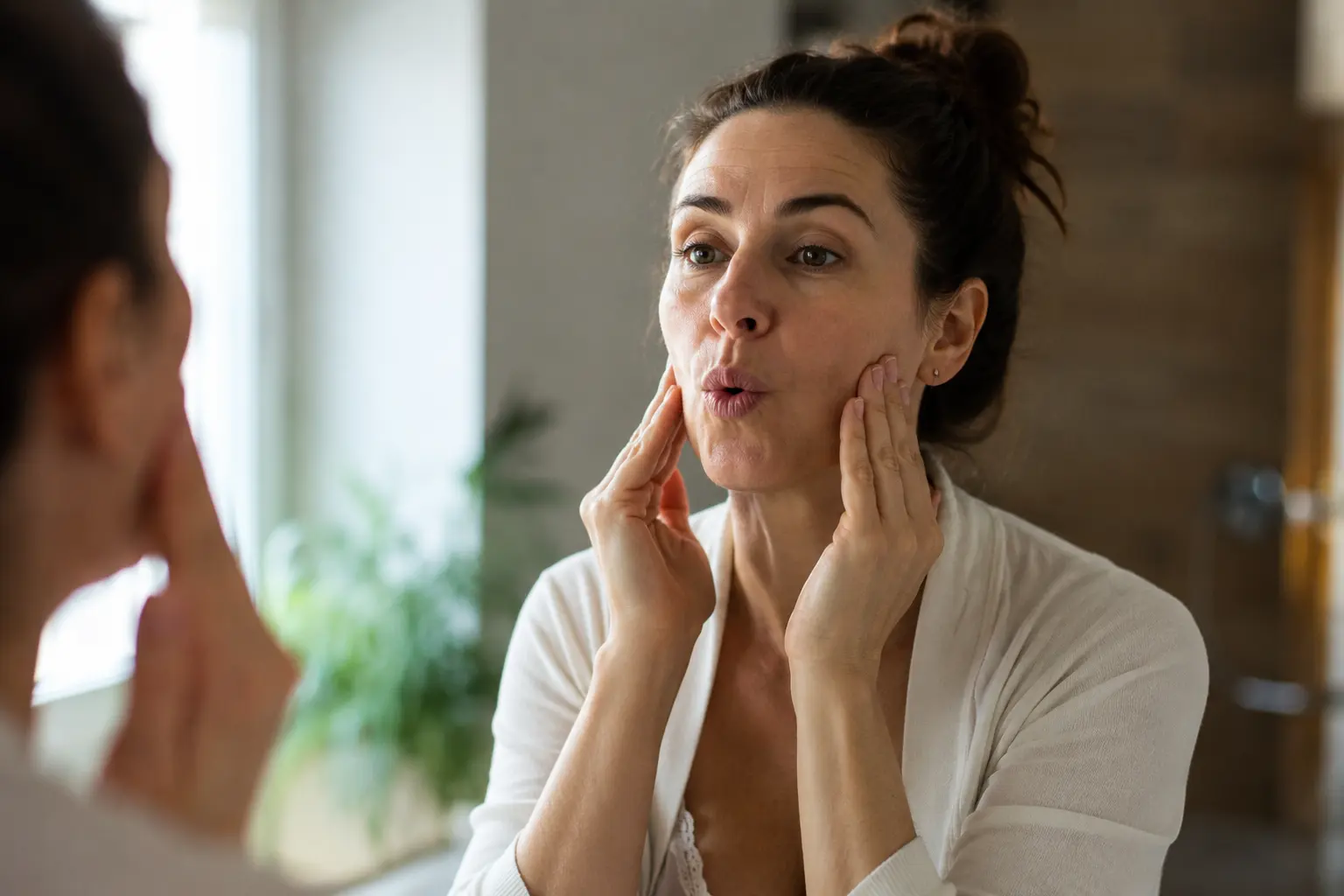
You wake up one morning, catch your reflection, and suddenly those fine lines around your eyes feel like they appeared overnight, your skin looks dull and tired no matter how much sleep you got, and you realize your skin health aging journey just shifted into a new phase that nobody really prepared you for.
Fine lines and wrinkles
One of the most noticeable changes in your skin post-40 is the appearance of fine lines and wrinkles, especially around the eyes and mouth. These lines can be a stark reminder of the passing years, prompting many women to rethink their skincare routines. Imagine looking in the mirror and noticing those laugh lines have deepened, or the area between your brows shows permanent creases even when you are not frowning. It happens gradually, then suddenly you cannot unsee it. The culprit is a combination of factors: your skin produces less collagen and elastin, the proteins responsible for keeping skin plump and bouncy. Sun exposure over decades catches up with you, and repeated facial expressions literally etch themselves into your skin. Many women find themselves reaching for stronger products or considering professional treatments. The key is understanding that these changes are normal, not a flaw in your skincare routine or your self-care habits.
- Loss of collagen and elastin leads to reduced skin elasticity.
- Exposure to sun and environmental factors accelerates skin aging.
- Regular moisturizing and using products with retinol can help reduce the appearance of wrinkles.
Dullness and uneven tone
Another common issue as you age is dull, lackluster skin with an uneven tone that seems to resist all your usual brightening tricks. Hormonal changes, decreased cell turnover, and cumulative sun exposure contribute to this complexion change. Picture this: you used to have a natural glow that required minimal effort, but now your skin looks tired and gray regardless of how hydrated you are or how well you slept. Your skin cells are not shedding as efficiently as they once did, which means dead skin cells accumulate on the surface, creating that dull, lifeless appearance. Hormonal fluctuations, especially during perimenopause and menopause, can trigger uneven pigmentation and dark spots that seem to appear out of nowhere. Many women find this change frustrating because it affects how they feel in photos and during social interactions. The good news is that understanding what is happening beneath the surface helps you adjust your approach and find solutions that actually work for your changing skin.
💬 Ready to feel better in 2 minutes?choose where to begin:
Sagging and loss of firmness
As collagen and elastin production declines, skin starts to sag and lose its firmness, a change that can be particularly noticeable around the jawline and neck area. Women often feel a loss of confidence due to these physical changes, seeking solutions to lift and tighten their skin. Think about how your face shape seems to shift slightly, how your cheekbones do not sit quite as high, or how your jawline becomes less defined. This is not your imagination. Your skin is literally losing its structural support system. The deeper layers of your skin are thinning, and gravity is doing what gravity does best. You might notice your neck area shows the most dramatic changes, or that your chin seems softer than it used to be. Some women describe it as their face looking heavier or less sculpted. This can feel deeply personal because our faces are how we present ourselves to the world. Understanding that this is a universal experience shared by millions of women can be oddly comforting, even as you explore ways to address it.
Dryness and sensitivity
Dry, sensitive skin becomes a common concern post-40, as the skin’s natural moisture barrier weakens and becomes less effective at retaining water. Harsh weather conditions and aggressive skincare products can exacerbate these issues, leading to discomfort and irritation. You might experience tight, uncomfortable skin that feels flaky or rough, especially on your cheeks or around your eyes. Products that once felt soothing now sting or cause redness. Your skin might feel reactive to everything from cold wind to hot showers to the skincare products you have been using for years. This happens because the lipid barrier that protects your skin is thinning, making it harder for your skin to hold onto moisture. Hormonal shifts also play a role, reducing the natural oils your skin produces. Many women struggle to find the right balance of hydration and soothing skincare, often making the mistake of using products that are too heavy or too active for their compromised barrier. The solution involves gentleness, patience, and understanding that your skin needs different support than it did in your thirties.
Skin changes after the age of 40 include fine lines, dullness, sagging, and dryness. Factors like collagen loss, hormonal shifts, and sun damage contribute to these visible signs of aging. Women often face challenges adapting their skincare routines to address these changes and maintain a healthy, glowing complexion.
How can I reduce the appearance of fine lines?
Using moisturizers with ingredients like retinol and hyaluronic acid can help plump up the skin and reduce the appearance of fine lines. Regular use of sunscreen is also crucial to prevent further damage.
What are some ways to improve skin firmness naturally?
Incorporating facial exercises, eating a diet rich in antioxidants and omega-3 fatty acids, and staying hydrated can support collagen production and improve skin firmness over time.
Others also read:
Disclaimer: This article is for informational purposes only and is not a substitute for professional medical advice. Always consult a healthcare professional for personal guidance.
This article presents an experience-based perspective and has been reviewed by the GlobalHealthBeacon editorial team in 2026. It provides structured, evidence-based information to support informed health decisions.
