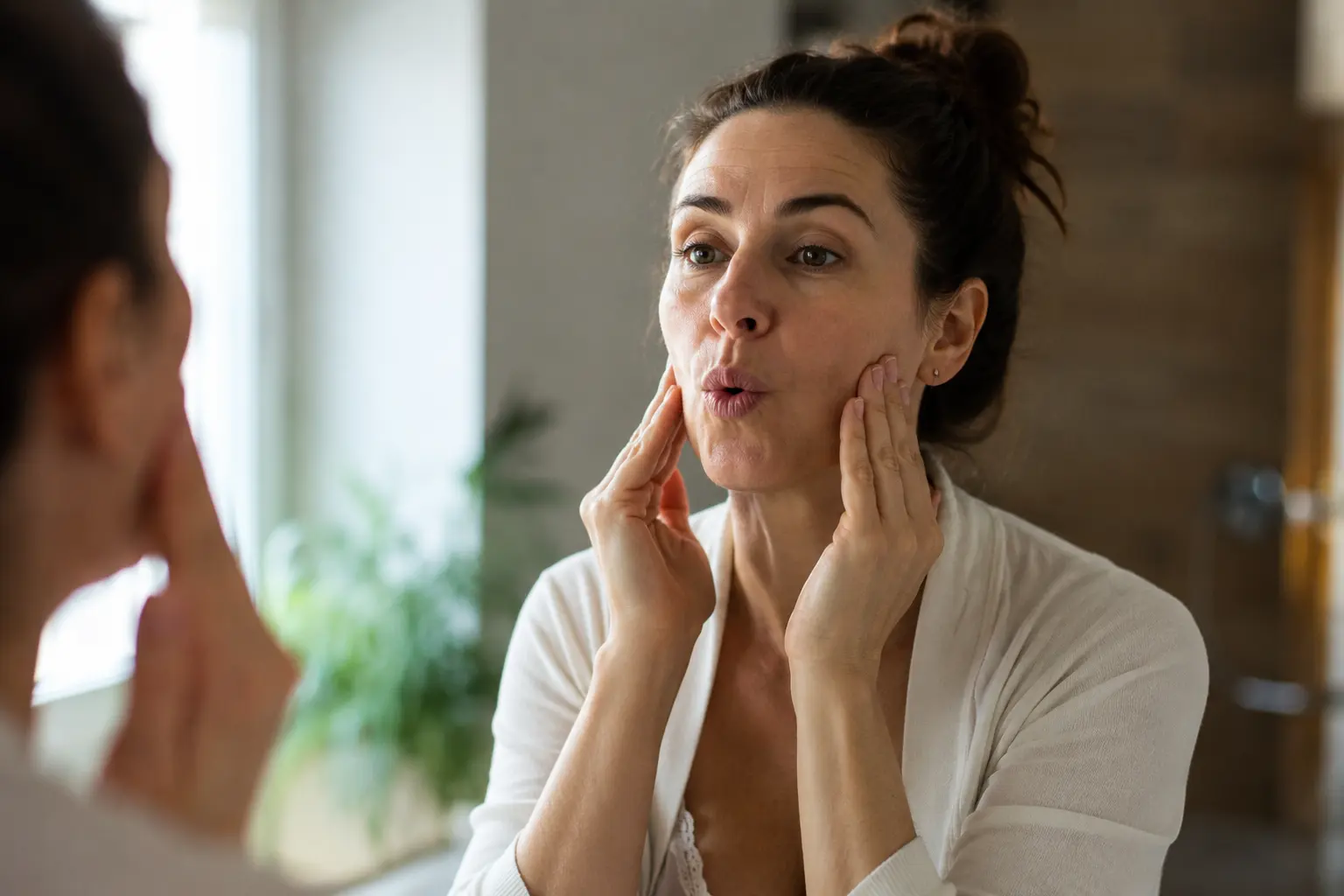
Your skin feels thinner, drier, and those lines seem to multiply overnight, but here’s what’s actually happening beneath the surface with your skin health aging and what you can genuinely do about it.
Understanding the skin aging process
The journey of skin aging unfolds through two distinct pathways that work independently yet sometimes overlap. Intrinsic aging, governed entirely by your genetics, represents the biological clock ticking inside your cells. This natural process means your skin gradually produces less collagen and elastin, the proteins responsible for firmness and bounce. Think of it like the scaffolding of a building slowly settling over decades. Meanwhile, extrinsic aging stems from external forces you encounter daily. Sun exposure without protection, smoking, chronic stress, and pollution all accelerate this process by generating free radicals that damage skin cells from within. Consider someone who spent decades gardening without sunscreen versus someone who stayed indoors. The difference isn’t just cosmetic. The gardener’s skin shows deeper lines, rougher texture, and more pronounced age spots because UV rays penetrate the skin’s layers, breaking down collagen and triggering inflammation. Understanding which factors you can control and which you cannot helps you make realistic decisions about your skin health as you age.
Cellular changes in aging skin
At the cellular level, aging skin experiences a slowdown in its natural renewal cycle. Your skin cells, which once turned over every 28 days in your youth, now take 40 to 60 days or longer to complete this process. This delay means dead skin cells linger on the surface longer, creating a dull, rough appearance. Simultaneously, your fibroblasts, the cells responsible for producing collagen, become less active. A 60-year-old’s skin produces roughly half the collagen of a 30-year-old’s skin. Picture this: a woman notices her face looks increasingly hollow around the cheeks and temples. That hollowness reflects actual loss of collagen and fat padding beneath the skin. Additionally, free radicals accumulate from sun exposure, stress, and environmental toxins, damaging the DNA within skin cells and accelerating visible aging. The skin barrier also weakens, making it harder to retain moisture. These interconnected cellular changes explain why aging skin often feels dry, looks thin, and develops wrinkles more readily. Recognizing these changes as normal biology, not failure, helps you approach skin health with realistic expectations.
Effective strategies for healthy aging skin
Maintaining skin health as you age involves a multi-layered approach that addresses both internal and external factors. A diet rich in antioxidants from colorful vegetables, berries, and fatty fish provides your skin cells with protective compounds that combat free radical damage. Staying hydrated supports your skin’s ability to maintain elasticity and plumpness. Protecting your skin from UV rays prevents further collagen breakdown and stops age spots from deepening. A consistent skincare routine tailored to aging skin needs helps manage dryness, supports cell turnover, and delivers beneficial ingredients directly to where they work. Consider a 70-year-old who started using a retinol product and applying sunscreen daily five years ago. Her fine lines softened, her skin tone evened out, and new sun damage slowed considerably. These strategies work best together, not in isolation. The person who drinks water but ignores sunscreen won’t see the same results as someone who combines hydration, sun protection, and targeted skincare. Think of it as building a foundation for your skin rather than searching for a single magic solution.
- Consume a diet high in fruits, vegetables, and omega-3 fatty acids to provide antioxidants and support skin cell health.
- Use sunscreen daily with a minimum SPF of 30, reapplying every two hours when outdoors to prevent UV damage.
- Moisturize skin regularly to maintain hydration and prevent dryness, especially after cleansing when skin is most receptive.
🔬 Science-backed benefits in 2 minuteschoose where to begin:
Environmental factors impacting skin aging
Your skin exists in constant contact with environmental stressors that accelerate aging beyond your genetic blueprint. Air pollution contains particulate matter and oxidative compounds that settle on skin and penetrate pores, triggering inflammation and breaking down collagen. Harsh winter wind strips away the skin’s protective lipid layer, leaving it vulnerable to moisture loss. Summer heat increases sebum production in some areas while drying others, disrupting skin balance. Blue light from phones and screens, though less damaging than UV rays, may contribute to premature aging through oxidative stress when exposure is prolonged daily. A person living in a city with heavy traffic experiences more pollution-related skin aging than someone in a rural area. Similarly, someone who spends hours daily on screens without protective measures may notice more fine lines around the eyes. Humidity levels matter too. Dry climates accelerate moisture loss from skin, while very humid environments can trap bacteria and sweat, causing irritation. Understanding these environmental pressures helps you implement targeted protection strategies, whether that means using a humidifier, limiting screen time, or choosing richer moisturizers during harsh seasons.
Exploring anti-aging skincare ingredients
Scientific research has identified several ingredients with documented effects on aging skin, each working through different mechanisms. Retinol, a vitamin A derivative, increases cell turnover and stimulates collagen production, reducing fine lines and improving texture over months of consistent use. Vitamin C acts as an antioxidant, protecting skin from free radical damage while brightening dull complexions and fading age spots. Hyaluronic acid holds water in the skin, plumping fine lines and restoring a dewy appearance that naturally diminishes with age. Peptides signal skin cells to produce more collagen, gradually improving firmness and elasticity. A person starting retinol might experience slight redness and peeling initially as skin adjusts, but after six to twelve weeks, they often notice smoother texture and softer lines. Niacinamide strengthens the skin barrier, reducing redness and improving moisture retention. These ingredients work best when introduced gradually and layered thoughtfully. Someone using retinol shouldn’t simultaneously start vitamin C and a strong exfoliant, as this combination overwhelms aging skin. Understanding what each ingredient does helps you choose products that address your specific concerns rather than buying everything marketed as anti-aging.
The role of lifestyle choices in skin aging
Beyond skincare products and sun protection, your daily habits profoundly shape how your skin ages. Smoking accelerates skin aging by constricting blood vessels, reducing oxygen delivery to skin cells, and generating free radicals. Smokers often develop deeper wrinkles, particularly around the mouth, and their skin takes on a grayish tone. Excessive alcohol consumption dehydrates skin and triggers inflammation, making fine lines more pronounced. Poor sleep quality disrupts your body’s natural repair processes. During deep sleep, your body increases blood flow to skin and rebuilds collagen. Someone sleeping only five hours nightly will show more visible signs of aging than someone consistently getting seven to nine hours. Chronic stress elevates cortisol, which breaks down collagen and impairs the skin barrier. A person managing stress through exercise, meditation, or social connection often has visibly healthier skin than someone under constant tension. These lifestyle factors don’t work independently. Someone who sleeps well, manages stress, avoids smoking, and limits alcohol while using sunscreen and a good moisturizer will age more gracefully than someone neglecting these habits despite using expensive products. Your skin reflects your overall health choices.
Aging skin results from a complex interplay of genetics, cellular changes, environmental exposure, and lifestyle choices. The intrinsic aging process unfolds regardless of your efforts, but extrinsic factors like sun exposure, pollution, and stress can be managed. Understanding cellular changes such as decreased collagen production and slower cell turnover helps you set realistic expectations for skincare. Proven strategies including sun protection, hydration, antioxidant-rich diet, and consistent skincare with evidence-based ingredients can slow visible aging. Environmental factors from pollution to blue light exposure require targeted protection. Specific ingredients like retinol, vitamin C, and hyaluronic acid have documented benefits when used appropriately. Lifestyle choices including sleep quality, stress management, avoiding smoking, and limiting alcohol significantly impact skin aging. By addressing these multiple dimensions rather than relying on any single solution, you can support your skin health as you age naturally.
Can skincare products truly reverse skin aging?
Skincare products cannot reverse the natural aging process or turn back time, but they can meaningfully slow visible signs of aging and improve skin appearance. Retinol, vitamin C, and peptides stimulate collagen production and improve cell turnover when used consistently over months. Results are gradual and modest compared to invasive procedures, but many people find the improvements worthwhile. The key is realistic expectations. A product might soften fine lines by 20 to 30 percent, not erase them completely. Consistent use matters more than occasional application.
What role does hydration play in aging skin?
Hydration is essential for aging skin because it maintains elasticity, plumps fine lines, and supports the skin barrier function. Drinking adequate water helps your body deliver moisture to skin cells from within. Using moisturizers traps water in the outer skin layers, preventing the dryness that makes wrinkles more visible. Aging skin naturally loses moisture retention capacity, so external hydration through moisturizers becomes increasingly important. Someone with well-hydrated skin appears more youthful simply because plump skin reflects light better and shows fewer prominent lines.
Others also read:
Disclaimer: This article is for informational purposes only and is not a substitute for professional medical advice. Always consult a healthcare professional for personal guidance.
This article has been prepared and reviewed by the GlobalHealthBeacon editorial team and is based on current medical research and published scientific literature available in 2026. It provides structured, evidence-based information to support informed health decisions.
