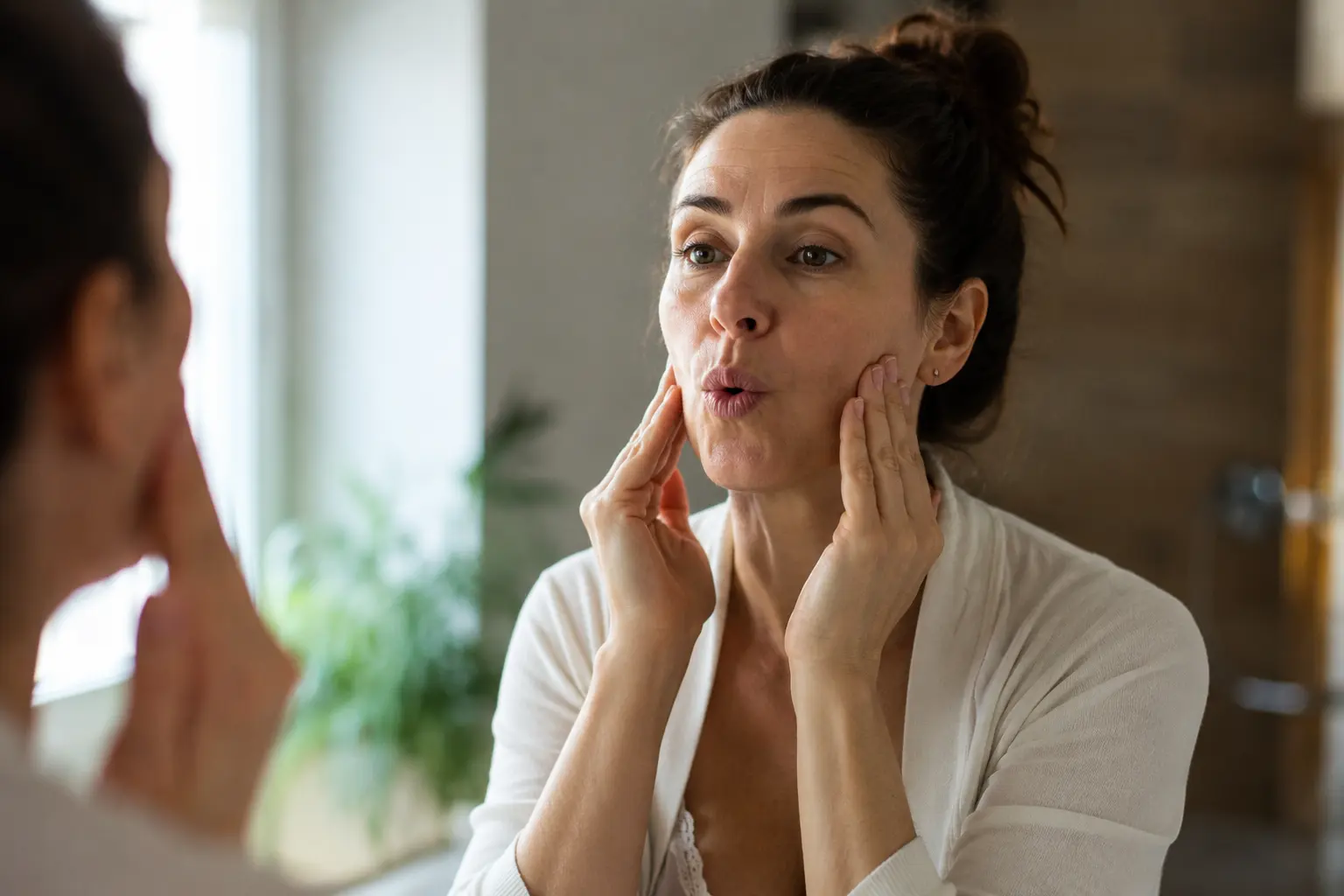
You’re noticing fine lines earlier than you expected, your skin feels dull no matter what you do, and you’re starting to panic about skin health aging before you even hit 30 – but here’s the truth: you’re not behind, you’re actually right on time to make a real difference.
Understanding skin health aging
Your skin is changing, and that’s completely normal. As you move through your 20s and early 30s, your body naturally produces less collagen each year, and your skin’s ability to bounce back diminishes. You might notice your skin feels less plump, fine lines appear around your eyes when you smile, or your complexion looks duller than it used to. These changes happen because your skin cells turn over more slowly, and your skin barrier becomes slightly more fragile. The good news? Understanding what’s actually happening gives you the power to slow it down. Think of it like this: if you know your car needs regular oil changes to run smoothly, you’ll do them. Same with your skin. When you understand that decreased collagen production and loss of elasticity are the culprits behind those changes, you stop blaming yourself and start taking targeted action. This knowledge transforms skincare from a guessing game into a strategic routine.
- Moisturize daily to maintain skin hydration and prevent premature aging.
- Incorporate sunscreen with at least SPF 30 into your routine to protect against UV damage.
- Consider using products with antioxidants like vitamin C to neutralize free radicals and promote collagen production.
Cleansing your way to softer skin
Your cleanser is the foundation of everything else you do, so getting this step right matters more than you might think. Start each morning and evening by removing the buildup that accumulates on your skin: dirt, oil, makeup, and environmental pollutants. The mistake most young adults make is using something too harsh, thinking they need to strip their skin clean. That backfires. When you use a cleanser with sulfates or alcohol, you remove not just the bad stuff but also your skin’s natural protective oils. Your skin then overcompensates by producing even more oil, leading to breakouts or irritation. Instead, choose a gentle cleanser that matches your skin type. If you have oily skin, look for a foaming or gel cleanser with a slightly higher pH. If you’re dry or combination, go for a creamy or milk cleanser. Spend 30 to 60 seconds massaging it in with your fingertips in circular motions, then rinse with lukewarm water. This simple ritual removes impurities without compromising your skin barrier, setting you up for better absorption of the products that follow.
📘 Fix your day in under 2 minuteschoose where to begin:
Hydrate for radiant skin
Hydration is where most young adults see the fastest, most visible results. After cleansing, your skin is primed to absorb moisture, and this is your window to lock it in. A lightweight moisturizer should be your daily non-negotiable, even if you have oily skin. The confusion happens because people think moisturizer means heavy cream, but it doesn’t. If you’re oily or combination, look for gel-based or water-based moisturizers with ingredients like hyaluronic acid, which holds up to 1000 times its weight in water. If you’re dry, you might need something richer with ceramides or glycerin. Apply it to damp skin right after cleansing, and you’ll notice the difference almost immediately: your skin feels softer, looks more even-toned, and fine lines appear less pronounced because your skin is plump and hydrated. Over weeks and months, consistent hydration improves your skin’s texture, reduces that tight or uncomfortable feeling, and enhances your natural radiance. Think of it like watering a plant: skip it, and things wilt. Stay consistent, and everything thrives.
Targeted treatments for specific concerns
Once you have the basics down, you can layer in treatments that address your specific issues. If you’re dealing with breakouts, salicylic acid works by exfoliating inside your pores to prevent clogging. If hyperpigmentation or dark spots are your concern, niacinamide brightens and evens skin tone while also strengthening your barrier. For sensitive or reactive skin, look for soothing ingredients like centella asiatica or allantoin. The key is not to throw everything at your skin at once. Pick one concern and one targeted product, use it consistently for 4 to 6 weeks, then assess. For example, if acne is your main issue, introduce a salicylic acid toner or serum two or three times a week, gradually increasing frequency as your skin adjusts. If you’re targeting early signs of aging, a vitamin C serum in the morning provides antioxidant protection and boosts collagen. Layering these treatments correctly matters too: apply thinnest formulas first (serums), then thicker ones (creams). This approach prevents wasting product and ensures each ingredient can actually penetrate and work.
Healthy habits for youthful skin
The products you use are only half the equation. What you do outside your skincare routine matters just as much, if not more. Your skin reflects your overall health, so think of this as an investment in your whole body. Staying hydrated by drinking enough water supports your skin’s natural moisture barrier from the inside out. Eating a diet rich in antioxidants, omega-3 fatty acids, and vitamins (think colorful vegetables, fatty fish, berries, and nuts) gives your skin the building blocks it needs to repair itself and maintain elasticity. Sleep is when your body does most of its healing and regeneration, so aim for 7 to 9 hours nightly. Chronic stress elevates cortisol, which triggers inflammation and can worsen breakouts or sensitivity, so managing stress through exercise, meditation, or whatever works for you directly impacts your skin’s appearance. Even 20 minutes of movement a few times a week improves circulation, bringing more oxygen and nutrients to your skin. These habits aren’t separate from skincare; they’re the invisible backbone that makes your products work better and keeps your skin looking healthy and resilient long-term.
Building a skincare routine that actually works means understanding what’s happening to your skin as you age, then taking consistent action. Start with a gentle cleanser suited to your skin type, follow with a hydrating moisturizer, add targeted treatments for your specific concerns, and support it all with healthy lifestyle habits. You don’t need a complicated 10-step routine. You need a simple, consistent approach that you’ll actually stick with. Focus on these fundamentals, and you’ll see real improvements in texture, tone, and overall skin health.
Can I reverse the signs of skin aging naturally?
You can’t turn back time, but you absolutely can slow down visible aging and improve your skin’s appearance significantly. A consistent routine with effective products like retinoids, vitamin C, and sunscreen can minimize fine lines, improve texture, and boost radiance. The earlier you start, the better your results will be.
Is it necessary to use anti-aging products in my 20s?
You don’t need specialized anti-aging products in your 20s, but prevention is easier than correction. Using sunscreen daily and incorporating antioxidants like vitamin C now will save you from dealing with more significant damage later. Think of it as maintaining your skin rather than fixing it.
Others also read:
Disclaimer: This article is for informational purposes only and is not a substitute for professional medical advice. Always consult a healthcare professional for personal guidance.
This guide has been prepared and reviewed by the GlobalHealthBeacon editorial team and reflects current medical research as of 2026. It provides structured, evidence-based information to support informed health decisions.
