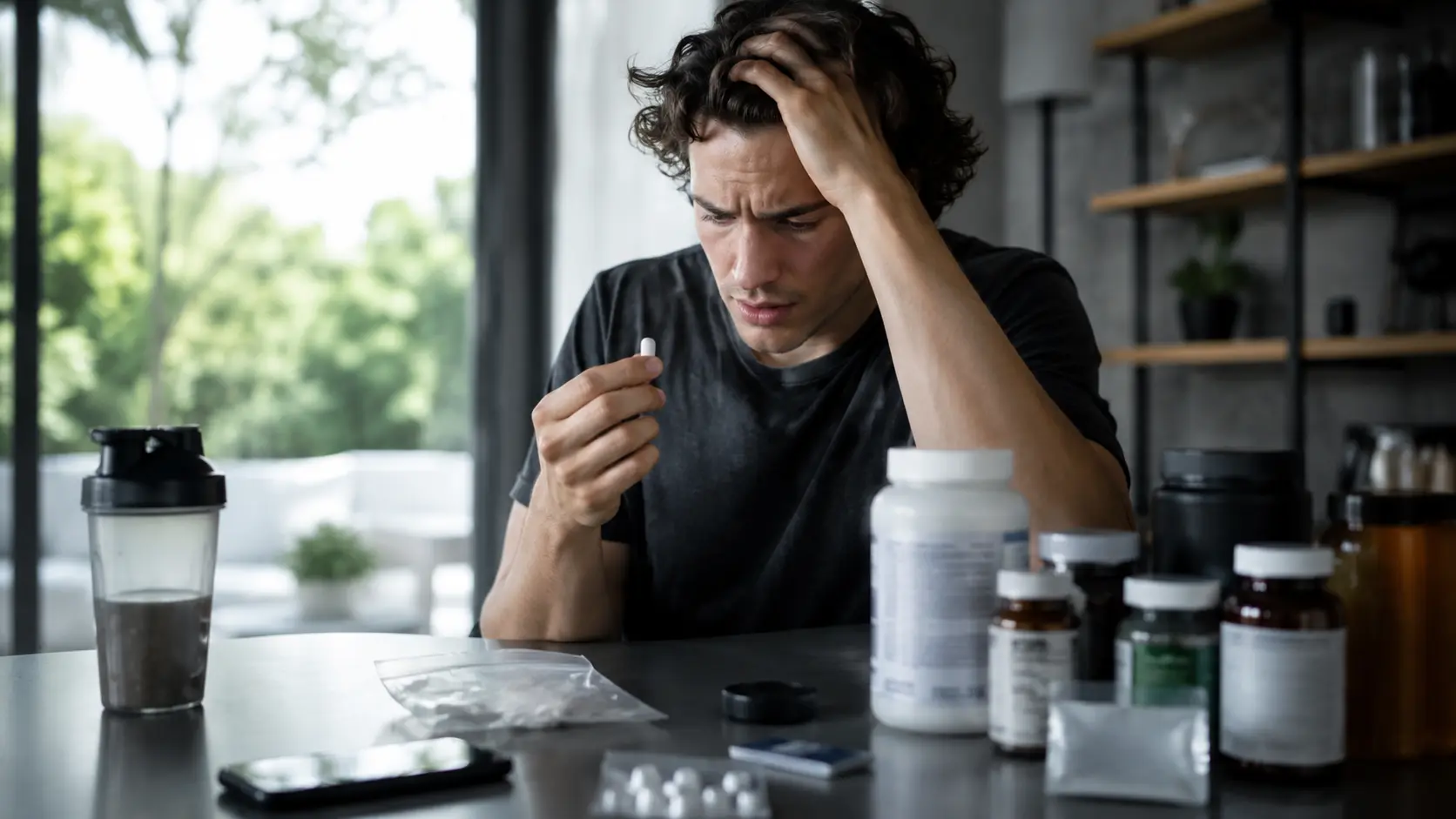
You’re trying everything to feel younger and healthier, but biohacking mistakes are quietly sabotaging your efforts and putting your body at risk.
Overlooking professional guidance
Many seniors jump into biohacking with enthusiasm but without consulting their doctor first. This is where things go wrong. Your body has a unique medical history, current medications, and health conditions that directly impact which biohacking strategies will actually work for you and which ones could cause harm. Consider Sarah, a 68-year-old who started intermittent fasting after reading about its benefits online. She didn’t mention it to her cardiologist, who had prescribed medications that require food intake for proper absorption. Within weeks, her medication levels dropped dangerously low. The biohacking practice itself wasn’t bad, but it clashed with her specific health needs. Before adopting any new biohacking technique, schedule a conversation with your healthcare provider. Bring a list of practices you’re considering. Discuss how they interact with your current medications, supplements, and existing conditions like diabetes, heart disease, or arthritis. Your doctor can help you identify which approaches are genuinely safe for your body and which ones need modification or should be avoided entirely.
- Consult a healthcare provider before starting any new biohacking regimen.
- Discuss existing medical conditions and medications to ensure compatibility with biohacking practices.
- Seek guidance on safe and effective biohacking techniques tailored to your age and health status.
Ignoring personal limitations
Your body sends signals constantly. The problem is that many seniors ignore those signals in pursuit of results. Biohacking isn’t about pushing yourself to extremes or copying what works for a 35-year-old fitness influencer. It’s about optimizing what you already have. A common mistake is attempting intense cold exposure therapy without building up gradually. One senior tried full ice baths after reading they boost metabolism, but his body couldn’t handle the shock, and he experienced dangerous drops in blood pressure. Another example is overcommitting to high-intensity interval training when your joints are already stressed. The real skill is listening to what your body tells you. If a practice causes sharp pain, dizziness, or unusual fatigue that doesn’t resolve with rest, it’s a signal to stop or modify. Biohacking for seniors means finding the sweet spot between challenge and safety. Start slowly with any new practice. Notice how you feel during and after. Give your body time to adapt. If something doesn’t feel right, adjust or abandon it without guilt. Your limitations aren’t failures; they’re information.
📘 Fix your day in under 2 minuteschoose where to begin:
Neglecting proper nutrition
Nutrition is the foundation that makes every other biohacking effort actually work. Without it, you’re building on sand. Many seniors focus on supplements and trendy protocols while overlooking basic nutritional needs. Your body needs consistent, quality fuel to recover from exercise, support cognitive function, and maintain muscle mass. Consider Tom, 72, who started a strict ketogenic diet because he read it would sharpen his mind. He cut out most carbohydrates but didn’t replace them with adequate whole foods. His energy crashed, his workouts suffered, and he felt foggy instead of sharp. The problem wasn’t keto itself, but the execution without proper nutrition planning. A better approach focuses on whole foods first. Eat lean proteins, colorful vegetables, healthy fats, and whole grains in amounts that match your activity level. These foods contain vitamins, minerals, and fiber that supplements alone cannot replicate. If you’re considering any restrictive diet as part of biohacking, work with a nutritionist who understands aging bodies. They can help you maintain adequate calories, protein, and micronutrients while pursuing your goals. Remember that biohacking without solid nutrition is like trying to optimize software on a computer with a failing hard drive.
Overemphasizing quick fixes
The promise of rapid transformation is seductive. Lose 20 pounds in 30 days. Boost energy overnight. Reverse aging in weeks. These claims sell products, but they don’t reflect how your body actually works. Biohacking is most effective when it’s sustainable and gradual. Quick fixes often backfire for seniors because they demand sudden changes your body can’t adapt to smoothly. One woman, 70, tried a extreme detox protocol promising to cleanse her system in two weeks. She experienced severe fatigue, digestive upset, and had to abandon the plan. She felt like she’d failed, but the real failure was the unrealistic expectation. Real biohacking works differently. You might improve sleep quality by adjusting your evening light exposure and caffeine timing over three weeks. You might increase energy by gradually adding strength training twice weekly over two months. These changes compound. Your body adapts. Results become permanent because they’re built on sustainable habits, not shock tactics. When evaluating any biohacking strategy, ask yourself: Could I do this for a year? If the answer is no, it’s probably not the right approach. Focus on practices that feel manageable, that fit into your actual life, and that produce steady improvements you can maintain long-term.
Neglecting rest and recovery
Rest isn’t lazy. It’s when your body actually does the work. This is especially true for seniors, whose recovery capacity differs from younger people. Many biohacking enthusiasts focus obsessively on what they do during active hours, then shortchange sleep and recovery. This is backwards. Your body rebuilds muscle, consolidates memories, regulates hormones, and clears metabolic waste during sleep. Without adequate rest, biohacking efforts stall. One 65-year-old started a morning exercise routine, added cold showers, and began taking supplements, but he kept his sleep schedule at five to six hours nightly. He felt exhausted, got sick frequently, and saw no improvements. When he finally prioritized seven to eight hours of quality sleep, everything changed. His workouts felt better, his mood improved, and the other biohacking practices finally delivered results. Recovery includes more than sleep. It includes rest days from intense activity, relaxation practices like gentle stretching or meditation, and downtime without screens or stimulation. Your nervous system needs these periods to shift from stress mode into restoration mode. Build recovery into your biohacking plan as deliberately as you plan your active practices. Aim for consistent sleep timing, dark and cool sleeping conditions, and at least one full rest day weekly. When you prioritize recovery, you’re not taking a break from biohacking; you’re completing it.
Biohacking mistakes often stem from overlooking the fundamentals that matter most for seniors. Skipping professional guidance leaves you vulnerable to practices that clash with your health profile. Ignoring your body’s signals pushes you past safe limits. Neglecting nutrition undermines everything else you’re trying to achieve. Chasing quick fixes leads to burnout and disappointment. And shortchanging rest prevents your body from actually adapting and improving. The path forward is simpler than it seems. Work with your doctor. Listen to your body. Eat real food. Choose sustainable practices. Prioritize sleep and recovery. These aren’t restrictions; they’re the foundation of genuine, lasting health improvements that actually stick.
Are all biohacking practices safe for seniors?
Not all biohacking practices are suitable for seniors. Your age, medical history, medications, and current fitness level all influence which practices are safe for you. A technique that’s safe for one person might be risky for another. This is why professional guidance matters. Your doctor can review specific practices and help you identify which ones align with your health needs and which ones require modification or should be avoided.
Can biohacking lead to adverse effects for seniors?
Yes, biohacking can cause adverse effects if approached without caution. Common risks include medication interactions, injury from overexertion, nutritional imbalances, and exhaustion from unsustainable practices. Seniors are more vulnerable to complications because recovery takes longer and the margin for error is smaller. This is why consulting your healthcare provider, respecting your body’s limits, maintaining solid nutrition, avoiding shortcuts, and prioritizing rest are so critical. These safeguards protect you while you pursue genuine improvements.
Others also read:
Disclaimer: This article is for informational purposes only and is not a substitute for professional medical advice. Always consult a healthcare professional for personal guidance.
This guide has been prepared and reviewed by the GlobalHealthBeacon editorial team and reflects current medical research as of 2026. It provides structured, evidence-based information to support informed health decisions.
