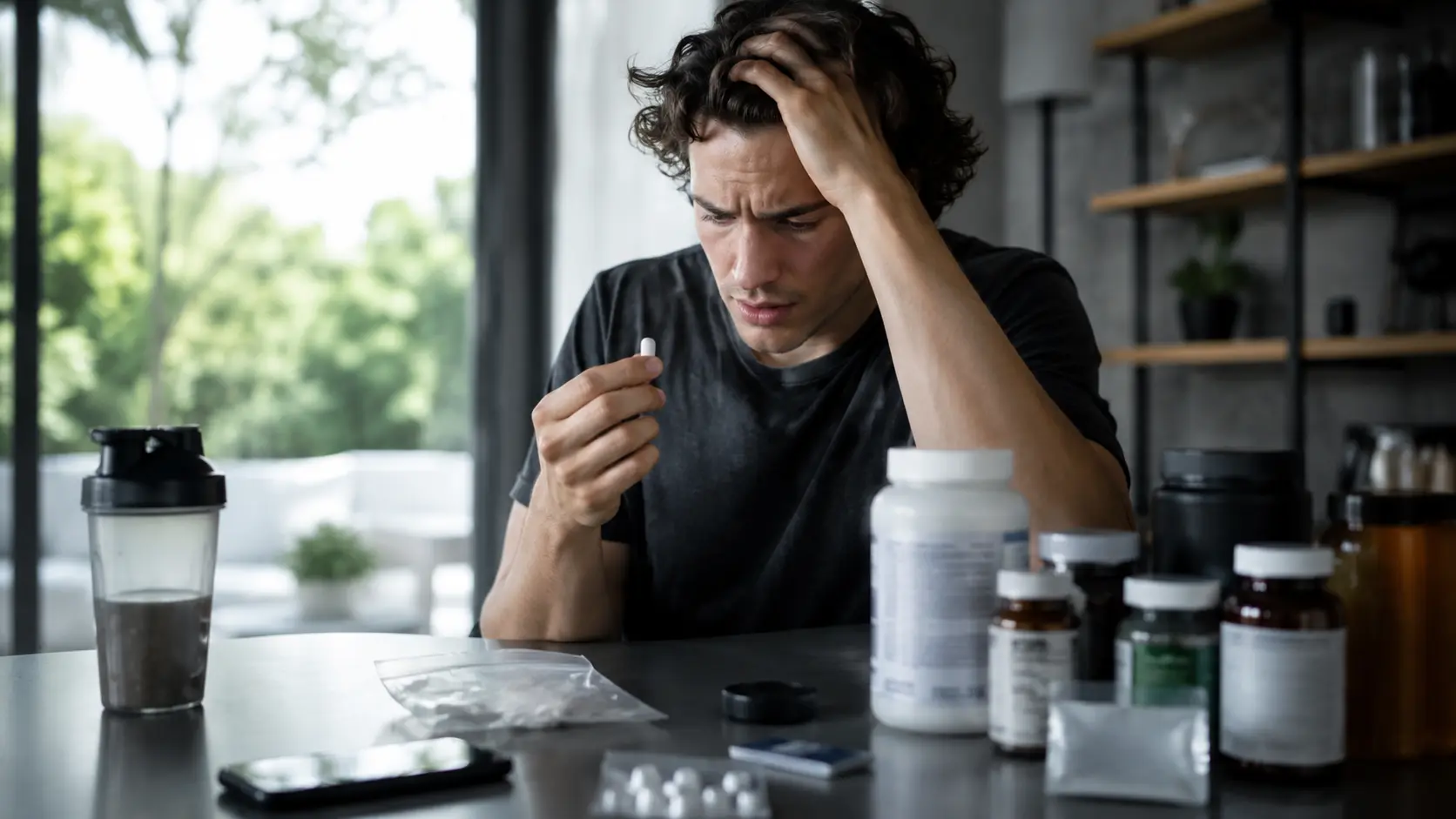
You have tried every health trend out there, spent money on supplements that did nothing, and now biohacking mistakes have left you feeling more exhausted than optimized, wondering if any of this actually works for someone your age.
Understanding biohacking basics
Biohacking sounds intimidating, but it simply means making deliberate adjustments to how you live to feel better. For seniors, this might look like adjusting your sleep schedule to align with natural light, experimenting with different meal timing, or trying specific breathing techniques. The key is understanding that biohacking is personal experimentation, not following a one-size-fits-all protocol. Think of it like tuning an instrument. You start with the basics, listen carefully to what happens, and adjust. A 68-year-old might find that eating earlier in the evening improves sleep quality, while their friend sees no difference. That is the reality of biohacking. It requires patience, observation, and willingness to track what actually works for your body, not what worked for someone on social media.
- Start with small, manageable changes to track their impact on your health.
- Experiment with different biohacks to identify what works best for you.
- Consult with a healthcare provider before embarking on any extreme biohacking techniques.
Common biohacking mistakes to avoid
Many seniors jump into biohacking with unrealistic expectations, believing that a single hack will transform their health overnight. This is where mistakes happen. Someone reads about cold water immersion improving circulation and immediately starts taking ice baths without considering their heart condition or blood pressure medication. Another common error is copying what worked for a younger person without accounting for age-related differences in metabolism, recovery time, and medication interactions. Seniors often make the mistake of stacking too many biohacks at once, trying intermittent fasting, new supplements, exercise routines, and sleep protocols simultaneously. When something goes wrong, they cannot identify which change caused the problem. The safest approach is introducing one change every two to three weeks, noting how you feel, sleep, energy levels, and any physical symptoms. This methodical approach prevents overwhelm and helps you build a personalized toolkit that actually works.
📘 Fix your day in under 2 minuteschoose where to begin:
Setting realistic expectations
Biohacking results do not arrive on a timeline. Some changes take weeks to show benefits, others take months. Your body at 70 responds differently than it did at 40, and that is not a limitation, it is just reality. If you start a new sleep protocol, expect to notice improvements in alertness and mood after three to four weeks of consistency. If you adjust your eating schedule, digestive changes might take six to eight weeks to stabilize. Many seniors abandon biohacks after two weeks because they expect immediate results. Realistic expectations mean understanding that small, consistent improvements compound over time. You might not feel dramatically different, but you might notice you wake up less frequently at night, have more steady energy throughout the day, or experience fewer afternoon crashes. These subtle shifts are the real wins. Write down your baseline before starting any biohack. How is your sleep quality now? Your energy at 3 PM? Your digestion? Then check in monthly, not daily, to see genuine progress.
Balancing risks and rewards
Every biohack carries some level of risk, and seniors need to evaluate this carefully. A 72-year-old with atrial fibrillation considering high-intensity interval training needs medical clearance first. Someone on blood thinners experimenting with high-dose vitamin K from leafy greens needs to discuss this with their cardiologist. The reward of feeling more energetic or losing weight means nothing if the biohack triggers a health crisis. Before trying any new biohack, ask yourself three questions: What is the potential benefit? What are the realistic risks for my specific health situation? Is there medical evidence supporting this for my age group? Low-risk biohacks for most seniors include adjusting sleep timing, trying different meal frequencies, adding walking to your routine, or practicing stress-reduction techniques. Higher-risk biohacks that require professional guidance include extreme fasting protocols, intense exercise programs, high-dose supplementation, or any practice that interacts with your medications. When in doubt, the reward is never worth risking your health and independence.
Seeking professional guidance
This is non-negotiable for seniors. Before starting any biohacking protocol, schedule a conversation with your primary care doctor or a functional medicine practitioner who understands both your medical history and your goals. Bring a list of specific biohacks you want to try. Ask which ones are safe given your medications, health conditions, and age. A good healthcare provider will not dismiss biohacking as fad thinking. Instead, they will help you identify which experiments are worth trying and which ones pose unnecessary risk. Some seniors benefit from working with a registered dietitian who can review supplement plans, a physical therapist who can design safe movement biohacks, or a sleep specialist if you are experimenting with sleep protocols. These professionals provide accountability and catch potential problems before they develop. Think of them as your biohacking safety team. You are not being cautious or old-fashioned by getting professional input. You are being smart.
Biohacking offers a promising avenue for optimizing your health, but it is essential to approach it with caution. By understanding the basics, avoiding common mistakes, and seeking expert advice, you can embark on a safe and effective biohacking journey.
Are all biohacking techniques safe for seniors?
Not all biohacking techniques may be suitable for seniors. It is important to consult with a healthcare provider before attempting any biohacks to ensure they are safe and appropriate for your age and health condition.
How long does it take to see results from biohacking?
The timeline for seeing results from biohacking varies for each individual. It is important to be patient and consistent with your biohacking practices to gauge their effectiveness over time.
Others also read:
Disclaimer: This article is for informational purposes only and is not a substitute for professional medical advice. Always consult a healthcare professional for personal guidance.
This guide has been prepared and reviewed by the GlobalHealthBeacon editorial team and reflects current medical research as of 2026. It provides structured, evidence-based information to support informed health decisions.
