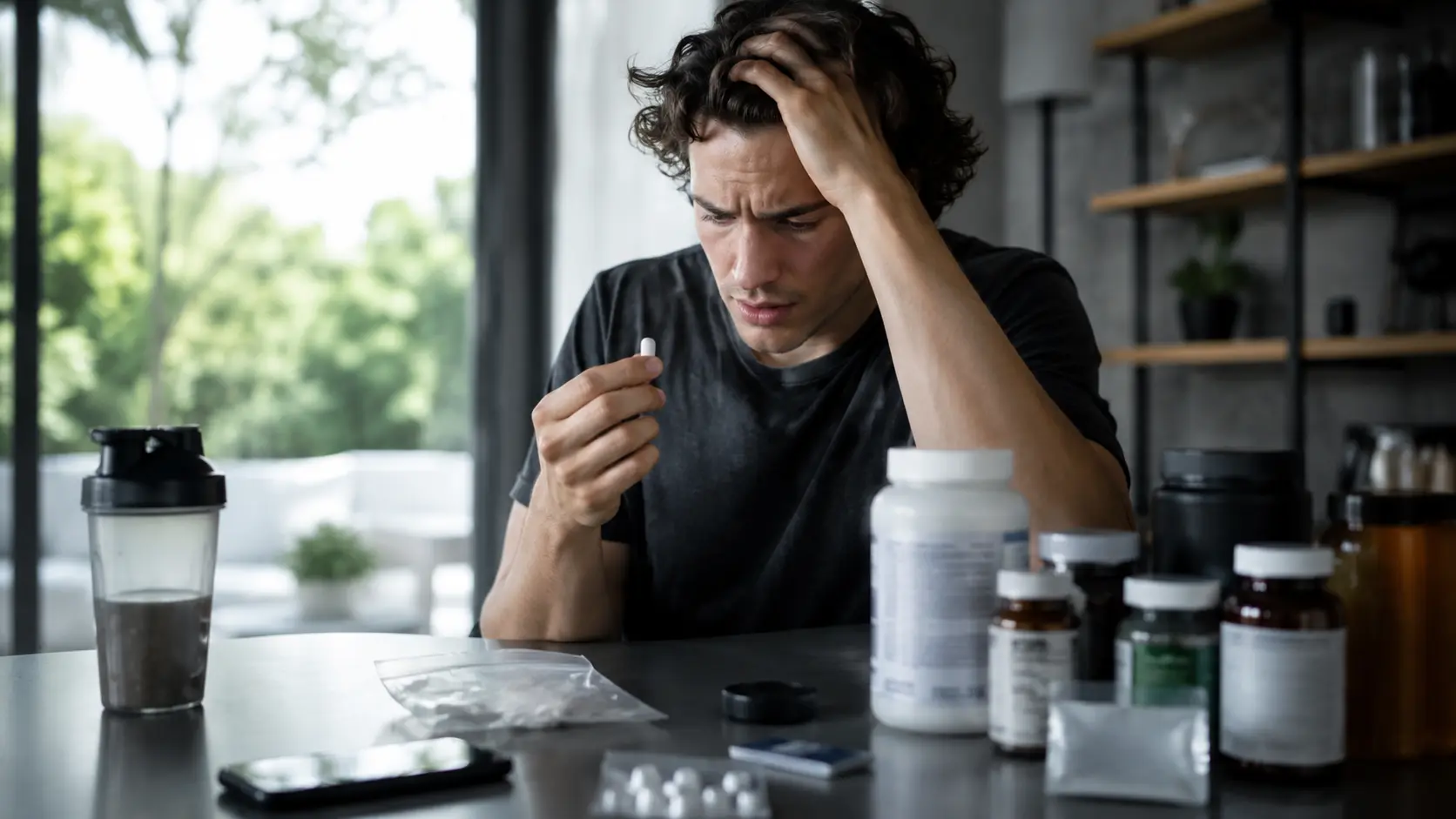
You’re tired, you want to feel sharper and stronger, so you start taking every supplement under the sun or skip meals thinking it’ll reset your body, but then your energy crashes and your doctor looks concerned at your next checkup – that’s what biohacking mistakes do to seniors, and it’s more common than you’d think.
Unhealthy supplementation
Picture this: Margaret, a 68-year-old retiree, read an article about NAD+ boosters and immediately ordered three different brands online. Within weeks, she developed nausea and her blood pressure spiked. She hadn’t told her doctor she was taking them alongside her existing medications. This scenario plays out constantly. Seniors often fall into the trap of over-supplementing without professional guidance, believing that more nutrients equal better health. The reality is far more complex. Our bodies have intricate biochemical systems, and introducing multiple supplements simultaneously can create dangerous interactions. Vitamin K can interfere with blood thinners. Magnesium supplements can reduce the effectiveness of certain antibiotics. Calcium can block iron absorption. Without consulting a healthcare provider first, you’re essentially conducting an uncontrolled experiment on your own body. The key mistake is assuming that supplements sold over-the-counter are automatically safe because they’re not prescription drugs. Always discuss any new supplement with your doctor or pharmacist before starting, especially if you take existing medications.
Extreme fasting methods
Intermittent fasting has become trendy, and some seniors adopt extreme versions like 24-hour fasts or 5:2 diets without considering their unique nutritional requirements. Consider Robert, 72, who decided to fast for 16 hours daily to lose weight. He felt dizzy during his morning walks, his muscle mass declined noticeably, and his blood sugar became unstable. His body simply couldn’t handle the metabolic stress. As we age, our bodies process nutrients differently. We need adequate protein to maintain muscle mass, consistent energy to support daily activities, and stable blood sugar to protect cognitive function. Extreme fasting can worsen existing conditions like diabetes, thyroid disorders, or osteoporosis. It can also trigger nutrient deficiencies that take months to recover from. The biological reality is that seniors have slower metabolic rates and reduced digestive efficiency, making them more vulnerable to the shock of extended fasting periods. If you’re interested in eating pattern changes, work with a registered dietitian who understands aging physiology, not internet trends.
Misguided sleep patterns
Sleep isn’t a luxury for seniors; it’s a biological necessity that becomes more fragile with age. Some people try to hack their sleep by drastically changing bedtimes, using unproven light therapies, or taking excessive melatonin supplements. James, 70, read that sleeping only 5 hours was optimal for longevity and tried it for two weeks. His cognitive function declined, his immune system weakened, and he became irritable. He eventually returned to his natural 7-hour rhythm and felt human again. Disrupting sleep patterns can have cascading effects on seniors’ overall health, immunity, and cognitive function. During sleep, your brain clears metabolic waste, your immune system strengthens, and your memory consolidates. Consistent, quality sleep is one of the most underrated biohacks available. The common mistake is treating sleep as something to optimize through gadgets and supplements rather than through basic sleep hygiene. Maintaining a consistent sleep schedule is essential for optimal biohacking outcomes. Your body thrives on predictability.
- Create a relaxing bedtime routine at least 30 minutes before sleep, such as reading or gentle stretching
- Avoid caffeine after 2 PM and keep electronics out of the bedroom at least one hour before bed
- Ensure a cool (around 65-68 degrees), dark, and quiet sleeping environment, using blackout curtains if needed
🔬 Science-backed benefits in 2 minuteschoose where to begin:
Excessive exercise regimens
The ‘no pain, no gain’ mentality doesn’t apply to aging bodies. Some seniors, eager to reverse the effects of time, push themselves into intense CrossFit classes or marathon training without proper conditioning. Patricia, 66, joined a high-intensity interval training group and suffered a rotator cuff injury that took six months to heal. She lost confidence in exercise entirely. The biological reality is that seniors’ connective tissues are less elastic, recovery takes longer, and the risk of injury increases significantly with sudden intensity spikes. Excessive exercise regimens can lead to injuries, chronic fatigue, elevated cortisol levels, and increased stress on joints and the cardiovascular system. The paradox is that moderate, consistent movement is far more beneficial than sporadic intense efforts. Walking, swimming, tai chi, and resistance training with appropriate weights build strength and endurance without the injury risk. It’s crucial to find a balance between staying active and avoiding excessive strain. Progressive overload, not dramatic jumps in intensity, is how aging bodies adapt and strengthen over time.
Inadequate hydration practices
Thirst sensation diminishes with age, so many seniors simply don’t drink enough water. Others get caught up in biohacking trends and drink excessive amounts, thinking more hydration equals better detoxification. The truth sits in the middle. Your kidneys, which filter and regulate fluid balance, become less efficient after 60. Dehydration impairs cognitive function, reduces physical performance, and can trigger dangerous electrolyte imbalances. David, 71, focused so heavily on his new exercise routine that he forgot to drink water during his morning walks. He experienced dizziness, confusion, and a minor fall. Seniors often overlook the importance of staying hydrated during physical activities and throughout the day, which can impede the body’s ability to function optimally. Proper hydration supports nutrient transport, temperature regulation, joint lubrication, and kidney function. The practical approach is simple: drink water consistently throughout the day, not all at once. A good baseline is half your body weight in ounces daily, adjusted for activity level and climate. Monitor urine color as a practical indicator; pale yellow suggests adequate hydration. Maintaining proper hydration levels is essential for overall health and well-being, yet it requires no special supplements or gadgets.
Inconsistent stress management
Biohacking often focuses on physical optimization while ignoring the nervous system. Some seniors adopt intense meditation practices or cold plunges thinking these will reset their stress response, but without consistency, they create more stress. Eleanor, 69, tried daily ice baths for two weeks, then stopped abruptly. The inconsistency left her feeling more anxious than before. Chronic stress in seniors accelerates aging at the cellular level, increases inflammation, impairs immune function, and contributes to cognitive decline. The biological impact is profound. Cortisol dysregulation from inconsistent stress management can worsen blood pressure, blood sugar control, and sleep quality. The mistake isn’t trying stress management techniques; it’s expecting quick fixes instead of building sustainable practices. Failure to manage stress effectively can have a profound impact on seniors’ mental and physical health. Engaging in relaxation techniques like gentle yoga or walking, mindfulness practices, journaling, or seeking support from friends, family, or counselors are crucial for successful biohacking endeavors. The key is consistency and finding what genuinely calms your nervous system, not what sounds impressive on social media.
Research-backed biohacking risks for seniors include unhealthy supplementation without medical guidance, extreme fasting methods that ignore aging physiology, misguided sleep pattern disruptions, excessive exercise regimens that increase injury risk, inadequate hydration practices, and inconsistent stress management approaches. Each of these represents a common mistake where well-intentioned optimization efforts backfire due to age-specific biological factors.
Can biohacking be beneficial for seniors?
Yes, biohacking can offer benefits for seniors when approached with caution and under professional guidance. The key difference is that senior biohacking must account for age-related changes in metabolism, recovery capacity, medication interactions, and physiological resilience. Simple, evidence-based practices like consistent sleep schedules, moderate exercise, proper hydration, and stress management are legitimate biohacks. It’s essential to prioritize safety and consult healthcare providers before making any significant changes to diet, supplementation, exercise, or sleep patterns.
How can seniors mitigate biohacking risks?
Seniors can reduce biohacking risks by focusing on moderation over extremes, consulting healthcare professionals before starting new practices, prioritizing consistent hydration throughout the day, maintaining regular sleep patterns, and incorporating sustainable stress management strategies into their daily routine. Avoid trendy approaches that promise rapid results. Instead, build slowly, track how you feel, and adjust based on your individual response. Work with your doctor, not against their recommendations. The safest biohacks are often the simplest ones: walking, consistent sleep, adequate water, and social connection.
Others also read:
Disclaimer: This article is for informational purposes only and is not a substitute for professional medical advice. Always consult a healthcare professional for personal guidance.
This article has been prepared and reviewed by the GlobalHealthBeacon editorial team and is based on current medical research and published scientific literature available in 2026. It provides structured, evidence-based information to support informed health decisions.
