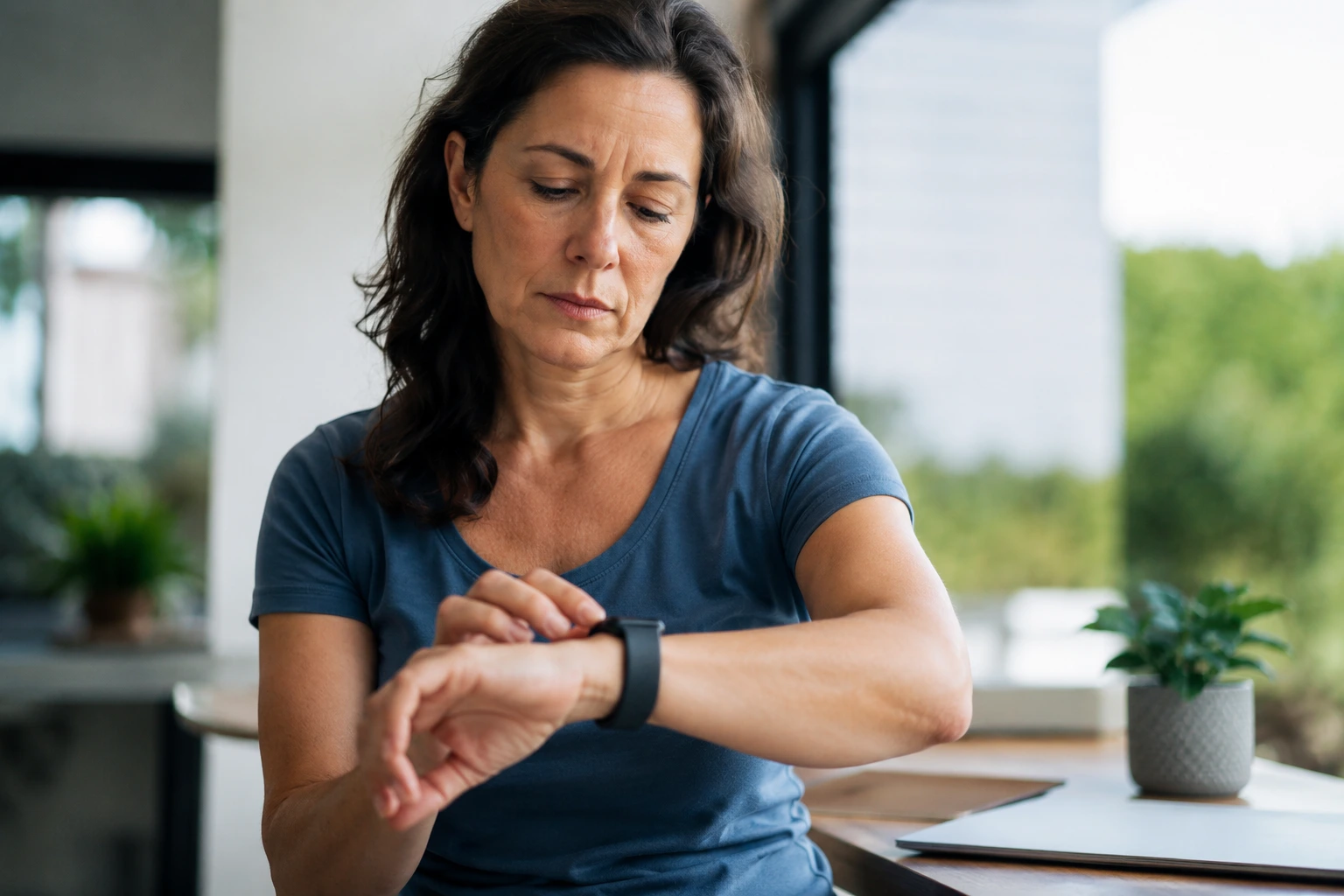
Your smartwatch just flagged an irregular heartbeat at 2 AM, and now you’re spiraling, wondering if you should rush to the ER or if it’s just another false alarm that’s going to cost you sleep and peace of mind.
Understanding smartwatch health alerts
Smartwatch health alerts work by using tiny sensors embedded in your device to continuously monitor your heart rate, blood pressure, oxygen levels, and movement patterns throughout the day. These sensors collect thousands of data points and use algorithms to detect patterns that might signal something unusual. But here’s the reality: smartwatches are consumer devices, not medical-grade equipment. They can absolutely help you spot trends and catch potential issues early, which is genuinely valuable. However, they operate within specific limitations. Skin tone variations, how tightly you wear the device, sweat, tattoos, and even the angle of your wrist can affect sensor accuracy. Think of smartwatch alerts as your health’s early warning system, not your final diagnosis. They’re meant to prompt you to pay attention and potentially reach out to a healthcare provider, not to replace professional evaluation.
- Smartwatch alerts can help detect potential health issues early.
- They are not a substitute for professional medical advice or diagnosis.
- Interpret the alerts as indicators and not definitive medical conclusions.
Benefits of smartwatch alerts for women
Women’s health is uniquely complex, and smartwatches offer specific advantages tailored to female physiology. Many modern smartwatches now track menstrual cycles, helping you predict periods, identify patterns in your symptoms, and spot irregularities that might warrant a conversation with your doctor. Some devices can detect hormonal shifts that affect your heart rate variability, giving you insight into how your cycle influences your overall wellness. For women concerned about heart health, smartwatch alerts for irregular heartbeats or elevated resting heart rate can be genuinely life-changing. Women are often underdiagnosed with heart conditions because symptoms present differently than in men, so having continuous monitoring on your wrist is a practical advantage. Additionally, smartwatches help busy women stay accountable to their health goals without adding another task to their plate. You get real-time feedback on sleep quality, stress levels, and activity, all integrated into a device you already wear daily.
📘 Fix your day in under 2 minuteschoose where to begin:
Limitations of smartwatch health alerts
While smartwatch technology has advanced rapidly, accuracy gaps remain significant in certain populations. Research shows that smartwatches perform less reliably on people with darker skin tones due to how optical sensors interact with melanin, which is a critical fairness issue in health tech. Placement matters too: if your watch sits too loose or too tight, sensor readings fluctuate wildly. Movement artifacts, like arm swinging during exercise, can trigger false alerts. Temperature changes, certain medications, caffeine, and even stress can cause your heart rate to spike, leading your watch to flag something that’s completely normal for your body in that moment. Some women report their smartwatch constantly alerting them to irregular heartbeats that their cardiologist finds completely benign during professional testing. Battery life also means most smartwatches can’t monitor continuously during sleep, missing potential nighttime arrhythmias. The bottom line: smartwatches excel at trend spotting but struggle with precision diagnosis.
How to interpret smartwatch alerts wisely
When your smartwatch sends an alert, resist the urge to panic or ignore it entirely. Instead, use a simple three-step evaluation. First, pause and assess how you actually feel in that moment. Are you dizzy, short of breath, or experiencing chest pain? Or do you feel completely normal? Your body’s signals matter more than the device’s signal. Second, check the context. Did you just finish a workout, drink three cups of coffee, or experience stressful news? These factors explain most false alarms. Third, log the alert and look for patterns. One irregular heartbeat alert is likely noise. Five alerts in a week warrants a conversation with your doctor. When you do contact your healthcare provider, bring your smartwatch data with you. Most doctors appreciate the information, though they’ll want to run their own tests to confirm anything concerning. Keep a simple log on your phone noting when alerts occur, what you were doing, and how you felt. This context transforms raw data into useful information your doctor can actually act on.
Smartwatch alerts integration into women’s health routine
Think of your smartwatch as one tool in a larger health toolkit, not the entire toolkit itself. Start by setting realistic, personalized goals based on your actual health needs, not generic recommendations. If you have a family history of heart disease, prioritize heart rate monitoring. If irregular periods concern you, focus on cycle tracking. Review your smartwatch data weekly, not obsessively daily, to spot genuine trends without developing anxiety over normal fluctuations. Schedule a conversation with your doctor about which alerts matter most for your health profile. Some women benefit from turning off certain notifications to reduce alert fatigue, while others want everything enabled. There’s no one-size-fits-all approach. Use your smartwatch data to prepare for annual check-ups and to track how lifestyle changes affect your metrics over months, not days. Most importantly, maintain regular medical appointments and don’t skip them because your smartwatch says everything looks fine. Your watch can’t replace a doctor’s comprehensive evaluation, blood work, or physical exam.
Smartwatch health alerts offer valuable insights into your health but should be used in conjunction with professional medical advice. Women can benefit from these alerts by staying informed, seeking guidance when needed, and integrating them into their overall health routine.
Are smartwatch health alerts always accurate for women?
Smartwatch health alerts provide valuable information but may not always be 100% accurate due to various factors. It’s important to use them as indicators and consult healthcare professionals for a complete assessment.
Can smartwatch alerts replace regular medical check-ups for women?
Smartwatch alerts can complement regular medical check-ups but should not replace them. Women should continue to prioritize scheduled appointments with healthcare providers for comprehensive health evaluations.
Others also read:
Disclaimer: This article is for informational purposes only and is not a substitute for professional medical advice. Always consult a healthcare professional for personal guidance.
This guide has been prepared and reviewed by the GlobalHealthBeacon editorial team and reflects current medical research as of 2026. It provides structured, evidence-based information to support informed health decisions.
