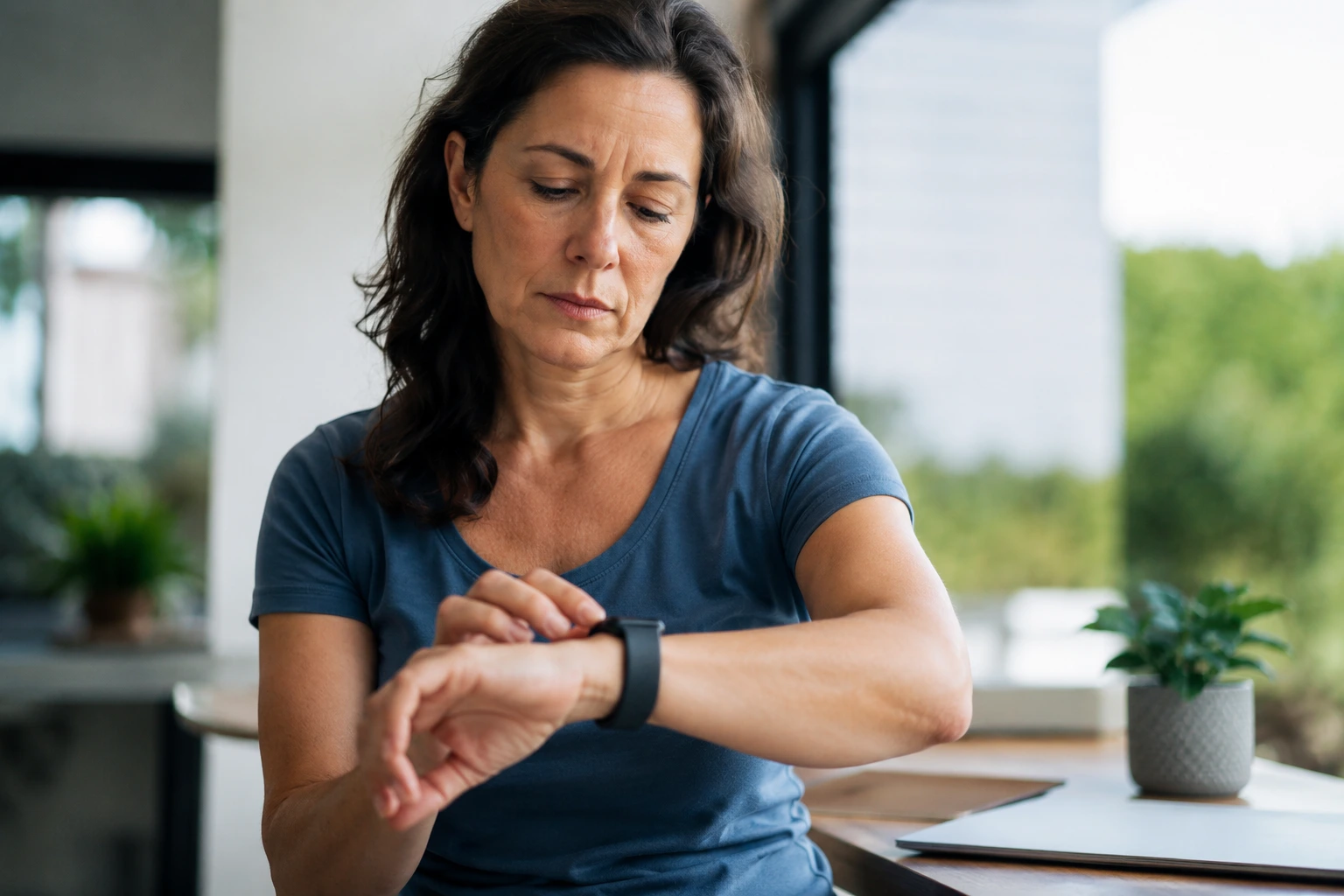
You wake up at 3 AM to a vibration on your wrist, your heart racing for reasons you can’t explain, and suddenly you’re wondering if something’s seriously wrong with you, but smartwatch health alerts might be the difference between catching a real problem early and missing it entirely.
Understanding the technology behind smartwatch health alerts
Smartwatches function as miniature health monitoring stations strapped to your wrist, equipped with multiple sensors that work together to track your body’s vital signs continuously. These devices contain accelerometers that detect movement, optical sensors that measure heart rate by analyzing blood flow through your skin, and sometimes even electrocardiogram sensors that record electrical signals from your heart. The real sophistication lies in the algorithms running behind the scenes. When your smartwatch collects data about your heart rate, blood pressure, oxygen saturation, and sleep patterns, specialized software analyzes these measurements against your personal baseline and established medical ranges. For example, if your resting heart rate typically hovers around 65 beats per minute but suddenly spikes to 110 without physical activity, the device recognizes this deviation and flags it as an alert. These algorithms learn your patterns over time, becoming increasingly personalized and accurate the longer you wear the device. Think of it like having a personal health observer that never sleeps, constantly comparing what’s happening in your body right now to what normally happens for you specifically.
Benefits of smartwatch health alerts for seniors
For seniors navigating the complexities of aging, smartwatch health alerts serve as an extra layer of awareness that extends beyond what you might notice yourself. Many seniors live independently or with limited daily contact with family members, and these devices provide continuous monitoring that would otherwise require frequent doctor visits or expensive in-home care. Consider Margaret, a 72-year-old who lives alone and enjoys her independence. One afternoon, her smartwatch detected an irregular heart rhythm pattern and sent her an alert. She called her doctor, who recommended she come in for evaluation. What might have gone unnoticed for weeks was caught within hours, allowing her physician to diagnose atrial fibrillation early and start appropriate treatment. Beyond detecting acute problems, smartwatch alerts encourage seniors to stay engaged with their health data, creating a sense of active participation rather than passive aging. The psychological benefit of knowing you have a guardian watching your vital signs can reduce anxiety about health changes. Additionally, when seniors share this data with their healthcare providers, it gives doctors a much richer picture of what’s happening between office visits, leading to more informed medical decisions and better preventive care strategies.
How to interpret smartwatch health alerts effectively
Interpreting smartwatch alerts requires understanding what your device is actually telling you and what it is not. Start by establishing your personal baseline. Spend the first week or two wearing your smartwatch consistently, noting your typical resting heart rate, sleep patterns, and activity levels when you feel well. This baseline becomes your reference point for recognizing genuine deviations. When an alert arrives, pause and consider the context. Did you just climb stairs or feel stressed? Your heart rate will naturally elevate. Is it 2 AM and you’re sleeping poorly? Your oxygen levels might dip slightly. A single alert doesn’t necessarily indicate a medical emergency, but a pattern of alerts or an alert that persists despite normal circumstances warrants attention. Common mistakes include ignoring alerts entirely because you feel fine, or conversely, panicking at every notification. The middle ground is understanding that your smartwatch is a data collection tool, not a diagnostic device. If you receive an alert about irregular heartbeats, for instance, that’s valuable information to share with your doctor, but it doesn’t mean you’re having a heart attack. Document your alerts in a simple log noting the date, time, what you were doing, and how you felt. This information becomes invaluable when discussing patterns with your healthcare provider.
- Establish your personal health baseline by wearing your smartwatch for one to two weeks and noting your typical vital sign ranges when feeling well.
- When you receive an alert, consider the context and circumstances rather than reacting immediately with alarm.
- Keep a simple log of alerts including date, time, activity level, and how you felt to identify patterns over time.
- Share your smartwatch data and alert history with your healthcare provider during regular check-ups for professional interpretation.
- Distinguish between single isolated alerts and recurring patterns, as patterns are more clinically significant than one-time notifications.
🔬 Science-backed benefits in 2 minuteschoose where to begin:
The role of smartwatch health alerts in preventive care
Preventive care represents the frontier of modern medicine, and smartwatch health alerts are becoming increasingly important tools in this approach. Rather than waiting for symptoms to develop and then seeking treatment, preventive care focuses on catching problems early when they’re most treatable. Smartwatches enable this by providing continuous data streams that reveal trends invisible to the naked eye. Consider blood pressure monitoring. A senior might feel fine and have normal readings during their annual doctor visit, but a smartwatch worn daily might reveal that their pressure spikes every morning or during stressful situations. This pattern information allows doctors to intervene earlier with lifestyle modifications or medication adjustments before a stroke or heart attack occurs. Similarly, tracking sleep quality and heart rate variability can reveal early signs of stress, infection, or cardiovascular strain before they manifest as noticeable symptoms. The data also empowers seniors to make informed lifestyle choices. When you can see how your evening coffee affects your sleep quality or how a 20-minute walk impacts your resting heart rate, you gain concrete feedback about which behaviors truly benefit your health. This transforms health management from abstract recommendations into personalized evidence you can see and feel, making it more likely that seniors will maintain healthy habits long-term.
Limitations and considerations for smartwatch health alerts
Understanding what smartwatches cannot do is just as important as knowing what they can. These devices measure certain parameters reasonably well, particularly heart rate and activity levels, but they have significant blind spots. A smartwatch cannot diagnose conditions. If your device detects an irregular heartbeat, that’s a signal to see a cardiologist, not confirmation that you have atrial fibrillation. The sensors can be affected by factors you might not consider. Tattoos can interfere with optical heart rate sensors. Loose-fitting watches provide inaccurate readings. Certain medications or skin conditions can affect measurements. Additionally, smartwatches are trained on population averages, which may not apply to you specifically. Your normal resting heart rate might be 55 beats per minute, but if the algorithm is calibrated for an average of 60, it might flag your normal state as abnormal. False alarms are common, and they can create unnecessary anxiety or lead to expensive medical tests that turn out to be unnecessary. Another critical limitation is that smartwatches only monitor what their sensors can detect. They cannot tell you about blood sugar levels, cholesterol, kidney function, or dozens of other important health markers that require blood tests. Seniors should view these devices as one tool among many in their health management toolkit, not as a replacement for regular medical care, blood work, and professional evaluation.
Future prospects of smartwatch health alerts
The trajectory of wearable health technology points toward increasingly sophisticated monitoring capabilities. Current smartwatches measure heart rate, oxygen saturation, and basic activity, but emerging research is exploring non-invasive measurement of blood glucose, blood pressure, and even hydration status through improved sensors and algorithms. Artificial intelligence is becoming more central to these devices, with machine learning models trained on millions of data points to recognize patterns that humans might miss. Future smartwatches may predict health events before they happen, alerting you that your risk of a heart attack or stroke is elevated based on subtle changes in your heart rate variability, sleep patterns, and other markers. Integration with other health data sources is also advancing. Imagine your smartwatch communicating directly with your electronic health record, automatically sharing relevant data with your doctors and flagging potential medication interactions or concerning trends. Personalization will improve dramatically as algorithms learn your unique patterns and adjust their alert thresholds accordingly, reducing false alarms while catching genuine problems. For seniors specifically, future devices may include fall detection that actually works reliably, medication reminders integrated with your prescriptions, and voice-activated interfaces that don’t require reading small screens. The key for seniors now is staying informed about these developments without feeling pressured to adopt every new technology. The fundamentals of good health care will remain unchanged: regular doctor visits, honest conversations with healthcare providers, and using technology as a supportive tool rather than a replacement for human judgment.
Smartwatch health alerts represent a meaningful advancement in how seniors can monitor their health between doctor visits, using sophisticated sensors and algorithms to track vital signs continuously. Understanding how these devices work and what they actually measure helps you interpret alerts appropriately without either dismissing them or overreacting to every notification. While smartwatches excel at detecting patterns and changes in heart rate, activity, and sleep, they cannot diagnose conditions or replace professional medical evaluation. The real value emerges when seniors use this data as a conversation starter with their doctors, providing healthcare providers with detailed information about what’s happening in their bodies day to day. As technology evolves, these devices will likely become more accurate and capable, but the fundamental principle remains: smartwatches are tools for self-awareness and early detection, not substitutes for medical expertise. Seniors who approach these devices with realistic expectations, maintain regular healthcare relationships, and use the data to inform lifestyle choices can benefit significantly from this technology.
Are smartwatch health alerts accurate?
Smartwatch health alerts are generally reliable for monitoring heart rate and activity levels, with accuracy typically ranging from 90 to 95 percent for these measurements. However, accuracy varies depending on device fit, skin tone, tattoos, and individual factors. They work best as trend-tracking tools rather than precise diagnostic instruments. For critical health decisions, always verify smartwatch data with clinical-grade medical equipment and professional evaluation.
Can smartwatch health alerts replace regular medical check-ups?
No, smartwatch health alerts cannot replace regular medical check-ups. While they provide valuable continuous monitoring between visits, they cannot measure blood work, perform physical examinations, or assess many important health markers. Smartwatches work best as a complement to regular healthcare, providing your doctor with additional data to inform their clinical judgment. Continue scheduling annual check-ups and seeing your healthcare provider when you have health concerns.
Others also read:
Disclaimer: This article is for informational purposes only and is not a substitute for professional medical advice. Always consult a healthcare professional for personal guidance.
This article has been prepared and reviewed by the GlobalHealthBeacon editorial team and is based on current medical research and published scientific literature available in 2026. It provides structured, evidence-based information to support informed health decisions.
