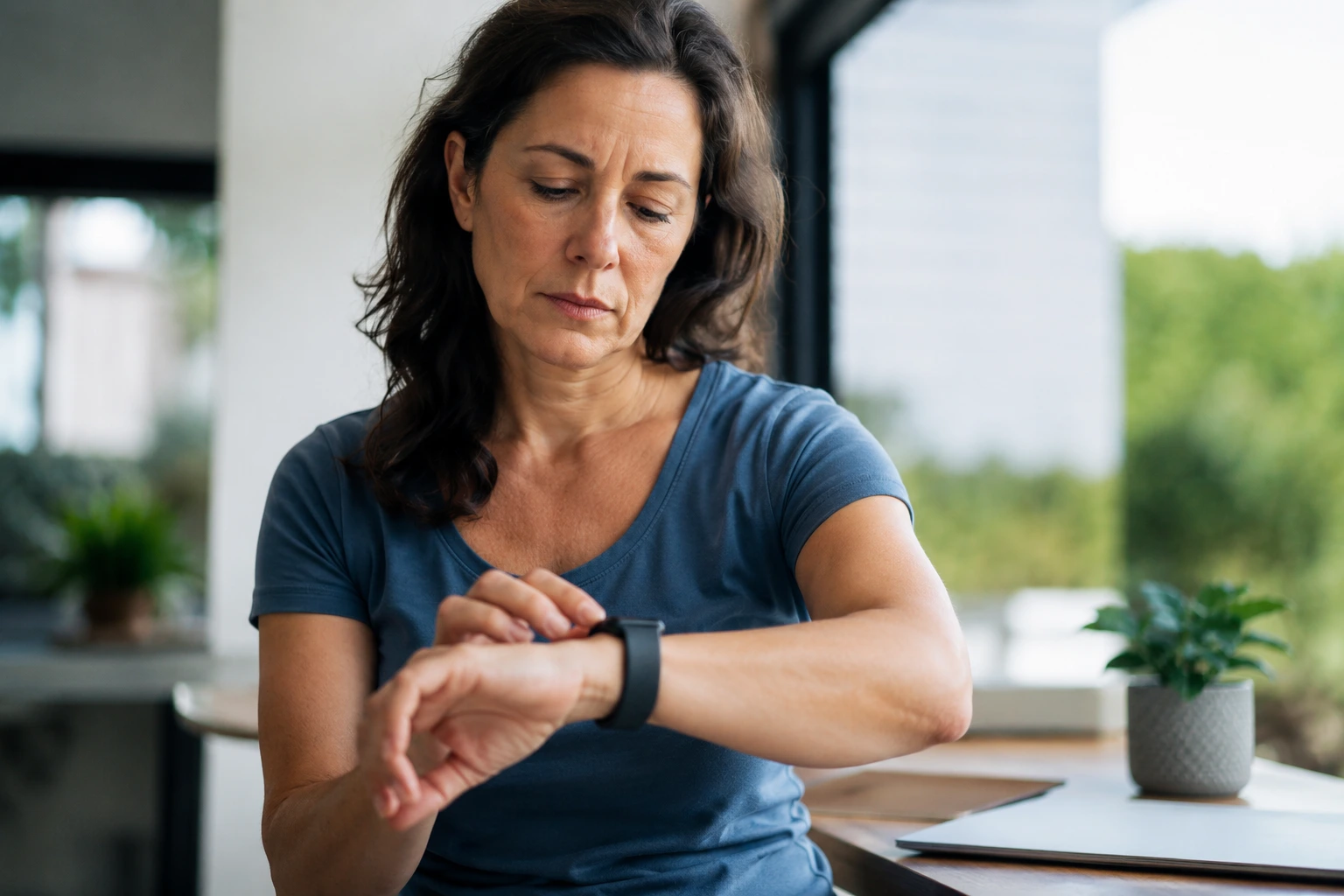
Your wrist suddenly buzzes with a heart rate alert at 3 AM, and you’re left staring at your smartwatch wondering if you should panic or ignore it, because honestly, smartwatch health alerts can feel like speaking a language nobody taught you.
Understanding smartwatch heart alerts
Smartwatches have become miniature health monitoring stations, equipped with optical sensors that track your heart’s electrical activity throughout the day and night. These devices measure your pulse by detecting blood flow changes in your wrist, then analyze patterns to flag irregularities. Imagine your smartwatch as a vigilant companion that never sleeps, continuously watching for deviations from your personal baseline. When it detects something unusual, like an unexpectedly rapid heartbeat during rest or an irregular rhythm pattern, it sends you an alert. For seniors especially, this continuous monitoring can catch subtle changes that might otherwise go unnoticed until a doctor’s appointment months away. The technology works by comparing real-time data against established patterns specific to your body, age, and activity level. Understanding this foundation helps you appreciate why some alerts matter more than others and why context is everything when interpreting what your wrist is trying to tell you.
Biological significance of heart rate variability
Heart rate variability, or HRV, represents the time intervals between consecutive heartbeats, measured in milliseconds. Think of it like the rhythm of a song, where the spacing between notes matters as much as the notes themselves. Your heart doesn’t beat at perfectly regular intervals, and that natural variation is actually a sign of cardiovascular health and nervous system balance. When your body is relaxed and well-recovered, HRV tends to be higher, meaning more variation between beats. During stress, illness, or inadequate sleep, HRV typically decreases as your nervous system tightens its grip. Smartwatches track HRV to give you insight into your recovery status, stress levels, and overall physiological state. For older adults, monitoring HRV trends can reveal early warning signs of fatigue, approaching illness, or excessive stress before symptoms become obvious. A sudden drop in your HRV might signal that you need more rest, while improving HRV over weeks suggests your lifestyle changes are working. This metric essentially translates your body’s internal state into numbers you can actually see and understand.
How to interpret heart rate alerts
Interpreting smartwatch heart alerts requires stepping back and looking at the bigger picture rather than reacting to each notification in isolation. Start by noting the time, your activity level, and how you physically felt when the alert arrived. Was it during exercise, emotional stress, caffeine consumption, or sleep? These contextual details matter enormously because a heart rate spike during a brisk walk means something entirely different from the same spike while you were sitting quietly. Keep a simple log for a week or two, jotting down alerts alongside what you were doing and how you felt. Over time, patterns emerge that help you distinguish between normal variations and genuinely concerning changes. If you notice persistent irregularities, such as frequent alerts about skipped beats or consistently elevated resting heart rates, that’s when professional guidance becomes important. Your doctor can review your smartwatch data alongside clinical assessments to determine if further investigation is needed. Common mistakes include panicking over isolated alerts, ignoring consistent patterns, or assuming every alert means something serious. The goal is to use your smartwatch as an information tool that informs conversations with your healthcare provider, not as a replacement for professional judgment.
- Monitor your heart rate alerts regularly and note the time, activity, and how you felt when each alert occurred.
- Look for patterns over weeks rather than reacting to individual alerts, as context reveals what is normal for your body.
- Seek professional advice if you notice persistent irregularities or if alerts coincide with symptoms like dizziness or shortness of breath.
🔬 Science-backed benefits in 2 minuteschoose where to begin:
Benefits of smartwatch health alerts
Smartwatch heart alerts offer genuine advantages, particularly for seniors who want to stay informed about their cardiovascular health without constant doctor visits. These devices provide real-time feedback that can prompt you to slow down when your heart rate climbs unexpectedly, encouraging self-awareness about your physical state. Consider a scenario where you’re climbing stairs and your smartwatch alerts you to an elevated heart rate, reminding you to take a break and catch your breath. This immediate feedback loop helps you understand your body’s limits and adjust activity accordingly. For people with known heart conditions, smartwatch alerts can serve as an early warning system, giving you time to contact your doctor before a situation becomes urgent. The data collected over months and years creates a personal health record that you can share with your healthcare team, providing valuable context for medical decisions. Beyond heart rate, many smartwatches track sleep patterns, stress levels, and activity, creating a comprehensive picture of your overall health. This empowerment, knowing you’re actively monitoring your own health rather than waiting passively for problems to develop, can reduce anxiety and increase confidence in your ability to manage your wellbeing.
Limitations of smartwatch heart monitoring
Despite their usefulness, smartwatch heart alerts have real limitations that every user should understand clearly. The optical sensors in smartwatches can be affected by skin tone, tattoos, movement artifacts, and even how tightly you wear the device, sometimes producing false readings. A person with darker skin tones may experience less accurate measurements because the light-based sensors work differently across varying skin pigmentation. Smartwatches also cannot detect all types of heart conditions, particularly those that occur intermittently or require more sophisticated analysis than a wrist sensor can provide. They excel at tracking general trends and obvious irregularities but miss subtle conditions that only a clinical EKG or other medical equipment can identify. Additionally, smartwatches lack the clinical context that doctors bring to heart health assessment, such as your medical history, medications, family genetics, and physical examination findings. A high heart rate reading might indicate exercise, anxiety, caffeine, fever, or a dozen other benign causes that your smartwatch cannot distinguish. Relying solely on smartwatch data without professional interpretation can lead to unnecessary worry or, conversely, missing genuine health concerns. The technology works best as a complementary tool that supplements, not replaces, regular medical checkups and professional guidance.
Enhancing health awareness with smartwatch alerts
Using smartwatch heart alerts effectively means integrating them into a broader approach to health awareness and proactive self-care. Rather than viewing alerts as isolated events, see them as data points in an ongoing conversation with your body and your healthcare team. Start by establishing your personal baseline, understanding what normal looks like for you during different activities and times of day. Share your smartwatch data with your doctor during regular visits, allowing them to contextualize what they see within your complete health picture. Use alerts as motivation to examine your lifestyle, asking yourself whether you’re getting enough sleep, managing stress effectively, staying hydrated, and moving your body appropriately. Many seniors find that tracking their heart health data increases motivation to maintain healthy habits because they see the direct impact of their choices reflected in their metrics. Create a simple routine where you review your weekly data, noting trends and celebrating improvements. This practice transforms your smartwatch from a source of anxiety into a tool for empowerment and self-discovery. The bridge between personal monitoring and medical care works best when both sides are engaged, when you’re curious about your data and your doctor is willing to interpret it thoughtfully.
Smartwatch heart alerts represent a fascinating intersection of technology and personal health awareness, offering seniors valuable insights into their cardiovascular patterns while requiring thoughtful interpretation. Understanding how these devices work, recognizing their strengths and limitations, and using them as part of a comprehensive health strategy allows you to leverage this technology responsibly. By monitoring trends rather than panicking over individual alerts, maintaining context about your activities and stress levels, and partnering with your healthcare provider, you transform smartwatch data from confusing notifications into meaningful health information. The goal is not to replace medical care but to enhance your awareness and engagement with your own wellbeing.
Are smartwatch heart alerts accurate?
Smartwatch heart alerts provide valuable trend data and can detect obvious irregularities, but they are not as precise as clinical equipment like EKGs. Accuracy varies based on factors including skin tone, device fit, movement, and the specific condition being detected. Use smartwatch data as an indicator of patterns rather than a definitive medical diagnosis, and always verify concerning findings with your healthcare provider.
Can smartwatch heart alerts replace professional medical advice?
No, smartwatch heart alerts should complement, not replace, advice from healthcare professionals. These devices lack the clinical context, diagnostic capability, and personalized assessment that doctors provide. Think of your smartwatch as a helpful information source that you bring to your doctor’s attention, not as a substitute for professional evaluation and guidance tailored to your individual health situation.
Others also read:
Disclaimer: This article is for informational purposes only and is not a substitute for professional medical advice. Always consult a healthcare professional for personal guidance.
This article has been prepared and reviewed by the GlobalHealthBeacon editorial team and is based on current medical research and published scientific literature available in 2026. It provides structured, evidence-based information to support informed health decisions.
