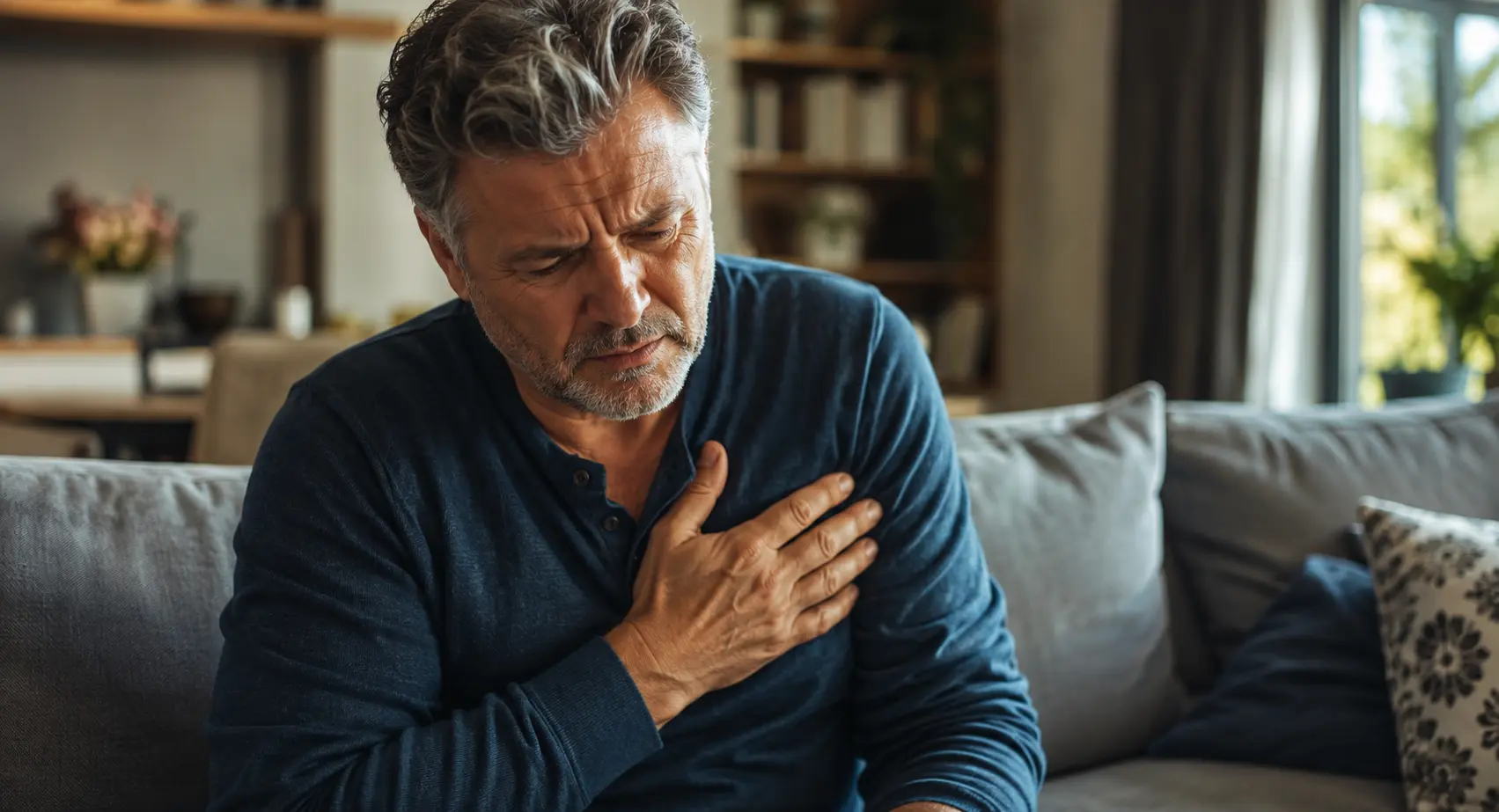
You’re halfway through dinner when your chest suddenly feels like it’s doing backflips, your heart racing and pounding so hard you can feel it in your throat, and all you can think is: why is this happening again, and will heart palpitations after eating ever just stop?
Understanding heart palpitations after eating
Picture this: you finish a satisfying meal and settle in to relax, but instead your heart starts skipping beats or racing unexpectedly. This is heart palpitations after eating, and it happens to more women than you might realize. The sensation often stems from specific triggers like caffeine in coffee or tea, high sugar content in desserts, or simply eating too much too quickly. Your body digests food, blood redirects to your stomach, and sometimes your heart responds with an irregular rhythm. What makes this particularly frustrating for women is that hormonal fluctuations, stress levels, and even anxiety about the symptom itself can amplify the experience. Understanding that these episodes are usually temporary and often manageable is the first step toward reclaiming your peace of mind around mealtimes.
- Monitor your diet to identify trigger foods like spicy dishes or caffeine-laden beverages.
- Practice mindful eating to slow down and prevent overeating, reducing the likelihood of palpitations.
- Stay hydrated and maintain a balanced diet to support heart health and minimize the risk of post-meal palpitations.
Managing post-eating palpitations
Managing these episodes starts with becoming a detective in your own life. Keep a food diary for two to three weeks, noting not just what you eat but how you felt before, during, and after meals. Did you rush through lunch at your desk? Were you stressed about work? Did you have two cups of coffee instead of one? You might notice patterns emerge. Maybe it’s not the food itself but the combination of caffeine plus anxiety. Or perhaps large portions trigger symptoms more than specific ingredients. Beyond tracking, consider practical changes like eating smaller, more frequent meals, avoiding eating close to bedtime, and taking short walks after meals to aid digestion. Many women find that incorporating relaxation techniques like deep breathing or gentle yoga before eating helps calm their nervous system and reduces palpitation episodes significantly.
💬 Ready to feel better in 2 minutes?choose where to begin:
Seeking professional advice
While occasional heart palpitations after eating are common and usually harmless, knowing when to reach out to a healthcare provider matters. If you experience frequent episodes that interfere with your daily life, or if palpitations are accompanied by dizziness, chest pain, shortness of breath, or fainting, schedule an appointment with your doctor. They can perform tests like an EKG or heart monitor to rule out underlying conditions and give you personalized guidance. Be honest about your symptoms, how often they occur, and what seems to trigger them. Women sometimes downplay their heart symptoms or assume they’re just anxiety, but your concerns deserve to be taken seriously. A healthcare provider can also review your medications and supplements, as some can contribute to palpitations. Getting professional reassurance, especially if you’ve been worried, can actually reduce anxiety-related episodes.
Creating a heart-healthy routine
Building sustainable habits transforms how you experience meals and your overall wellbeing. Start by incorporating regular movement into your day, whether that’s a 30-minute walk, yoga, or swimming. Exercise strengthens your heart and reduces stress, both protective factors against palpitations. Prioritize sleep, as fatigue and irregular sleep patterns can make your heart more reactive. Manage stress through activities that genuinely calm you, whether journaling, meditation, time with friends, or hobbies you love. Examine your caffeine intake honestly and consider gradually reducing it if you suspect it’s a trigger. Eat balanced meals with adequate protein, healthy fats, and complex carbohydrates to stabilize blood sugar. Most importantly, listen to your body without judgment. Some days your heart might feel more sensitive, and that’s okay. The goal isn’t perfection but building a life where you feel confident and in control around food.
Understanding the triggers and management strategies for heart palpitations after eating is key to regaining control over your heart health. By identifying potential food triggers, adopting a heart-healthy diet, and seeking professional advice when needed, you can alleviate post-meal palpitations and prioritize your well-being.
Are heart palpitations after eating a cause for concern?
Occasional heart palpitations after eating are usually benign and can be managed through dietary adjustments and lifestyle changes. However, persistent or severe symptoms should prompt a consultation with a healthcare provider for further evaluation.
How can I prevent heart palpitations after meals?
You can prevent heart palpitations after meals by identifying trigger foods, practicing mindful eating, staying hydrated, maintaining a balanced diet, and incorporating heart-healthy habits like regular exercise and stress management techniques.
Others also read:
Disclaimer: This article is for informational purposes only and is not a substitute for professional medical advice. Always consult a healthcare professional for personal guidance.
This article presents an experience-based perspective and has been reviewed by the GlobalHealthBeacon editorial team in 2026. It provides structured, evidence-based information to support informed health decisions.
