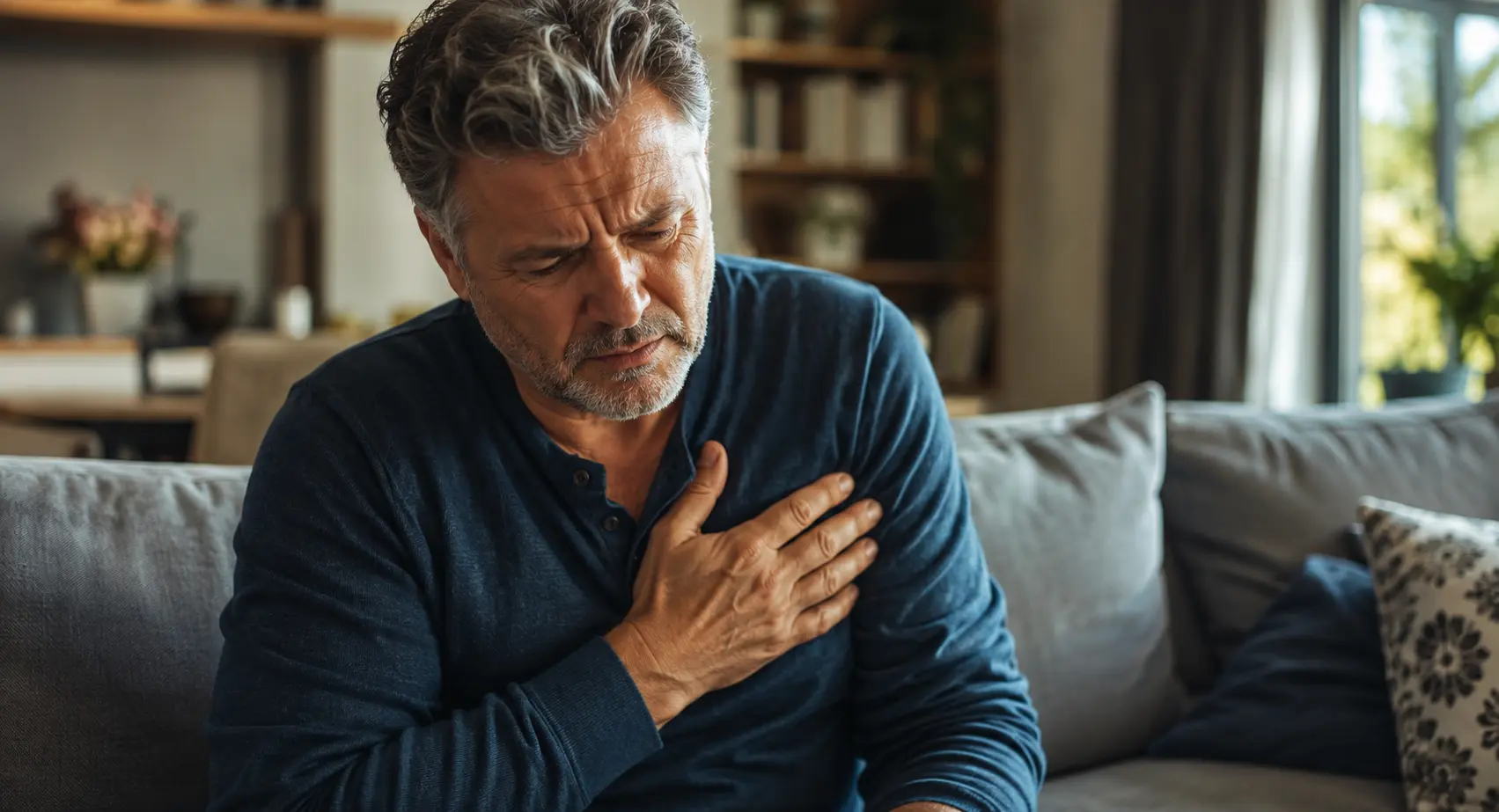
Your heart suddenly races or skips a beat right after lunch, and panic floods in because you have no idea whats happening to your body, but heart palpitations after eating are more common than you think and most of the time theyre completely harmless.
Understanding heart palpitations after eating
Heart palpitations after eating can feel genuinely alarming in the moment. Youre sitting at your desk with a sandwich, and suddenly you feel your heart doing something unusual, maybe racing or fluttering or skipping beats. The instinct is to worry, but heres what actually happens in your body. When you eat, your digestive system kicks into high gear, demanding blood flow to process food. Your stomach expands slightly, your metabolism shifts, and your nervous system adjusts. All of this can temporarily affect how your heart beats. For many women, hormonal fluctuations throughout the month can amplify this effect. Think of it like this: your body is essentially juggling multiple processes at once, and sometimes the coordination feels off. Most of the time, these palpitations resolve within minutes and cause no lasting harm. Understanding that this is a normal physiological response, not a sign of heart disease, can help you stay calm when it happens.
- Common triggers: Spicy foods, caffeine, alcohol, and large meals can all stimulate heart palpitations in some individuals.
- Physiological response: Digestion requires increased blood flow to the stomach, diverting some from the heart and affecting its rhythm temporarily.
- Emotional influence: Stress or anxiety related to eating can also exacerbate heart palpitations, creating a feedback loop of symptoms.
Managing post-meal heart palpitations
Managing post-meal heart palpitations starts with practical, everyday adjustments. Instead of eating one large meal, try spreading your food intake across smaller, balanced portions throughout the day. This reduces the digestive demand on your system all at once. Pay attention to your specific triggers by noting what you ate when palpitations occur. For some women, its the third cup of coffee. For others, its a heavy pasta dinner. Once you identify your triggers, you can make intentional choices. Beyond food, stress management matters tremendously. When you sit down to eat while anxious or rushed, your nervous system is already activated, making palpitations more likely. Try eating in a calm environment, taking a few deep breaths before meals, or practicing gentle meditation for five minutes beforehand. Staying hydrated throughout the day also helps because dehydration can make your heart work harder. If symptoms persist despite these changes, consulting a healthcare provider is essential for proper evaluation and peace of mind.
📘 Fix your day in under 2 minuteschoose where to begin:
When to seek medical advice
Most cases of heart palpitations after eating are benign and resolve on their own, but knowing when to contact your doctor is crucial for your wellbeing. If your palpitations are mild, brief, and happen occasionally after certain foods, you likely dont need emergency care. However, if they become severe, frequent, or last longer than a few minutes, its time to reach out to your healthcare provider. Pay special attention if palpitations are accompanied by chest pain, shortness of breath, dizziness, fainting, or a feeling of extreme weakness. These symptoms warrant prompt medical evaluation. Women sometimes dismiss their symptoms or attribute them to anxiety when they actually need professional assessment. Your doctor can run tests like an EKG or heart monitor to rule out underlying conditions and give you concrete answers. If you have a family history of heart problems or youre over 40, being proactive about any new symptoms is wise. Trust your instincts. If something feels genuinely wrong, its better to get checked and find out youre fine than to ignore a potential warning sign.
Lifestyle modifications for heart health
Building a heart-healthy lifestyle is one of the most powerful ways to reduce post-meal palpitations and strengthen your overall cardiovascular system. Start with your diet by incorporating more whole grains, lean proteins, fruits, and vegetables while reducing processed foods and excess sodium. Regular exercise, even 30 minutes of brisk walking most days, improves heart function and reduces anxiety. Adequate hydration keeps your blood volume stable, making your heart work more efficiently. Stress management techniques like yoga, deep breathing, or journaling help regulate your nervous system, which directly impacts heart rhythm. Sleep quality matters too because poor sleep increases heart palpitations and anxiety. Aim for seven to nine hours nightly. Limiting alcohol and eliminating smoking are also critical. Many women find that when they address these lifestyle factors holistically, their palpitations decrease significantly or disappear entirely. The bonus is that these changes benefit your entire body, not just your heart. You might notice improved energy, better mood, clearer skin, and stronger immunity as side effects of taking care of yourself.
Monitoring and awareness
Keeping detailed records of your symptoms is one of the most underrated tools for managing heart palpitations. Start a simple food diary where you note what you eat, the time, and whether palpitations occur. Include other details like stress level, sleep quality, and where you are in your menstrual cycle if applicable. Over time, patterns emerge that you might not notice otherwise. Maybe you realize palpitations happen specifically when you skip breakfast and eat a large lunch. Or perhaps they spike during high-stress work weeks. This awareness empowers you to make informed decisions rather than feeling helpless. You might also track your heart rate at rest using a simple app or device to establish your baseline. If you notice your resting heart rate climbing, thats valuable information to share with your doctor. Some women benefit from keeping a symptom log to show their healthcare provider, which helps with diagnosis and treatment planning. Being an active participant in your own health care, rather than a passive observer, shifts your mindset from anxiety to agency. You move from asking why this is happening to actively figuring out what works for your unique body.
Heart palpitations after eating are typically harmless and can be managed through dietary adjustments, stress reduction techniques, and lifestyle modifications. Seeking medical advice is recommended for persistent or severe symptoms.
Are post-meal heart palpitations dangerous?
In most cases, post-meal heart palpitations are benign and not indicative of a serious underlying condition. However, it is essential to monitor symptoms and seek medical advice if they are severe or persistent.
How can I prevent heart palpitations after eating?
You can prevent or minimize heart palpitations after eating by avoiding trigger foods, practicing stress-reducing activities, eating smaller meals, and maintaining a heart-healthy lifestyle.
Others also read:
Disclaimer: This article is for informational purposes only and is not a substitute for professional medical advice. Always consult a healthcare professional for personal guidance.
This guide has been prepared and reviewed by the GlobalHealthBeacon editorial team and reflects current medical research as of 2026. It provides structured, evidence-based information to support informed health decisions.
