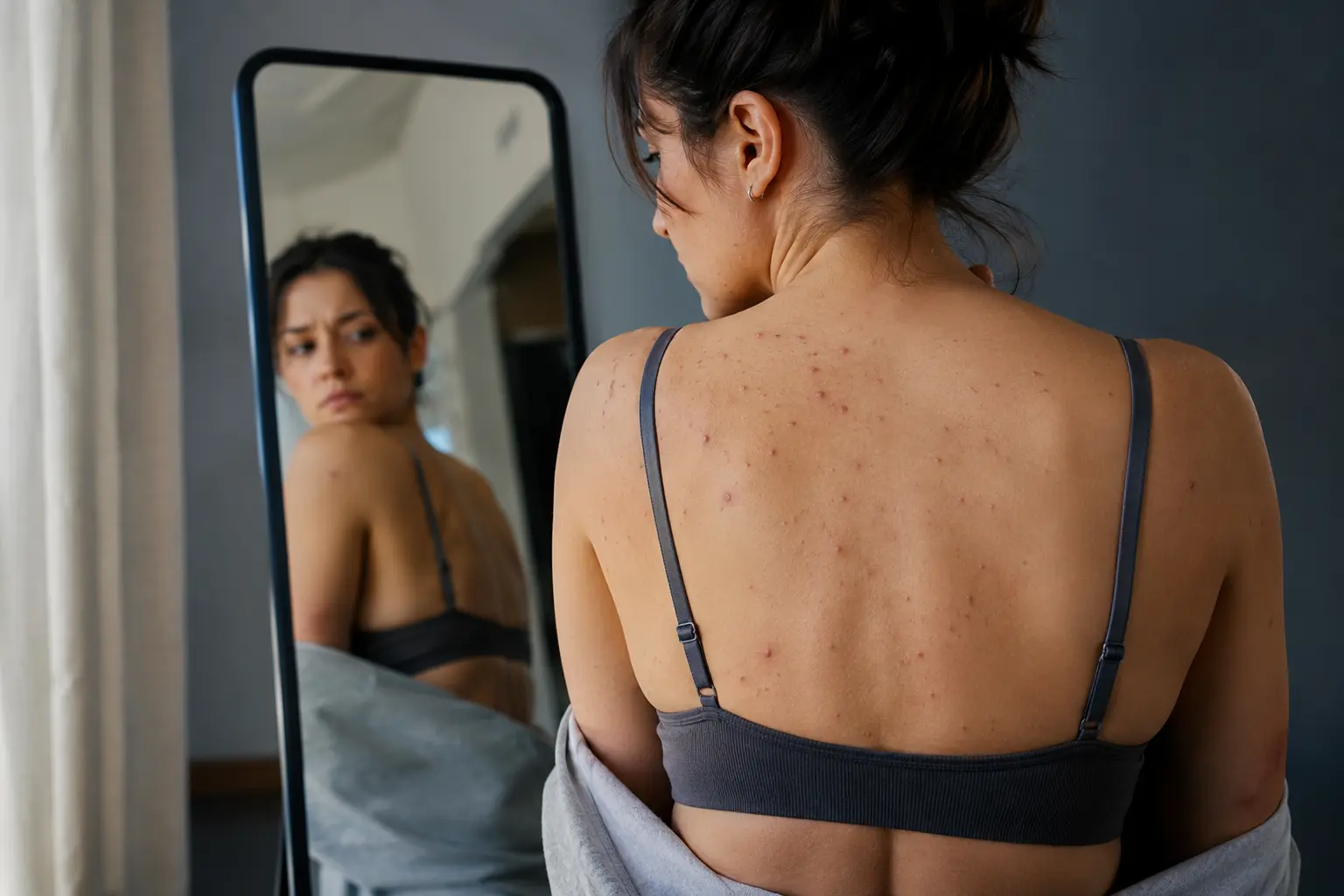
Breakouts on your chest, back, and shoulders can feel like a betrayal after decades of thinking you’d left acne behind, and understanding what’s actually triggering body acne causes is the first step to finally getting clear skin again.
Hormonal imbalance and sebaceous glands
When hormones fluctuate, your sebaceous glands respond by ramping up oil production, and this is especially relevant for seniors experiencing natural shifts in hormone levels. Think of sebaceous glands as tiny factories embedded in your skin, each one producing sebum, a waxy substance that normally protects and lubricates your skin. However, when hormonal signals go awry, these factories go into overdrive. Imagine your skin suddenly producing twice as much oil as it needs. This excess sebum doesn’t simply sit on the surface; it travels down into hair follicles and mixes with dead skin cells. For seniors, hormonal changes from medications, thyroid conditions, or natural aging can trigger this cascade. The problem compounds because older skin often sheds dead cells less efficiently, creating a perfect storm where excess oil meets cellular debris. This combination creates an environment where acne-causing bacteria like Cutibacterium acnes thrive, turning a simple oil production issue into visible inflammation and breakouts.
Inflammation and follicular plugging
Inflammation is your immune system’s response to invasion, and when bacteria colonize blocked hair follicles, your body launches a defensive reaction that creates the redness, swelling, and tenderness you see and feel. Picture a hair follicle as a tiny tunnel. When excess oil, dead skin cells, and bacteria accumulate inside, the follicle becomes plugged, creating an anaerobic environment where bacteria multiply rapidly. Your immune system detects this bacterial presence and sends white blood cells to the area, triggering the release of inflammatory chemicals like cytokines and prostaglandins. This inflammatory response is what causes the characteristic redness and swelling of acne lesions. For seniors, this inflammatory process can sometimes feel more intense because aging skin has altered immune responses and reduced collagen production, making recovery slower. Common mistakes include over-treating inflamed areas with harsh products, which can intensify the inflammatory cascade rather than calm it. Understanding that inflammation is actually your body trying to protect itself helps explain why gentle, consistent care works better than aggressive scrubbing or multiple active treatments at once.
The pathogenesis of body acne
Body acne develops through a specific biological sequence that dermatologists have mapped out over decades of research. First, hormonal signals trigger sebaceous glands to produce excess sebum, a natural oil that normally protects skin but becomes problematic in large quantities. This excess sebum doesn’t flow smoothly to the skin surface; instead, it accumulates within hair follicles. Simultaneously, your skin’s outer layer naturally sheds dead cells, and when this shedding process becomes uneven or excessive, these cells mix with the sebum inside the follicle, creating a plug. This plug is called a comedone, and it’s the foundation of acne formation. Once the follicle is blocked, oxygen levels inside drop dramatically, creating an ideal breeding ground for Cutibacterium acnes bacteria. These bacteria thrive in low-oxygen environments and multiply rapidly. Your immune system detects this bacterial overgrowth and responds with inflammation, causing the follicle wall to rupture. When the rupture occurs beneath the skin surface, you get deeper, more painful cystic acne. When it’s closer to the surface, you get whiteheads or pustules. For seniors, this entire process can be triggered or worsened by medications like corticosteroids, certain antibiotics, or hormonal treatments. Understanding these steps helps explain why prevention focuses on keeping follicles clear and why treatment often targets multiple points in this chain simultaneously.
- Maintain good hygiene by regularly washing the skin with a gentle cleanser, focusing on areas prone to breakouts like the chest, back, and shoulders, using lukewarm water rather than hot water which can irritate skin.
- Use non-comedogenic skincare products to prevent pore blockages, and check medication labels since some drugs can trigger or worsen body acne as a side effect.
- Consult a dermatologist for personalized treatment options, especially if body acne appears suddenly or worsens, as it may signal an underlying condition requiring medical attention.
🔬 Science-backed benefits in 2 minuteschoose where to begin:
Genetics and lifestyle factors
Your genetic blueprint plays a significant role in acne susceptibility, meaning if your parents struggled with acne, you’re more likely to experience it too, even in your senior years. Genetics influence how your skin responds to hormonal signals, how efficiently your immune system reacts to bacteria, and how quickly your skin sheds cells. However, genetics isn’t destiny. Lifestyle factors act as the volume dial on your genetic predisposition. Diet, for instance, affects hormonal balance and inflammation levels; high-glycemic foods and dairy products have been linked to acne flares in some individuals. Stress triggers cortisol release, which can stimulate sebum production and worsen inflammation. Environmental pollutants, chlorine from pools, and friction from tight clothing can all irritate skin and exacerbate breakouts. Sleep quality matters too; poor sleep disrupts hormonal regulation and weakens immune function. For seniors, these factors become especially important because aging skin has reduced barrier function and slower healing capacity. A 65-year-old managing body acne might find that stress management and dietary adjustments make a measurable difference, whereas the same changes might have been less noticeable at 25. Common mistakes include blaming acne entirely on genetics and feeling helpless, when in reality lifestyle modifications can significantly reduce severity.
Treatment options and prevention strategies
Dermatologists approach body acne treatment as a multi-layered strategy rather than a single solution, combining topical treatments, oral medications, and lifestyle modifications tailored to each person’s situation. Topical treatments like benzoyl peroxide work by reducing bacteria and promoting cell turnover, while salicylic acid helps unclog pores by dissolving the keratin plugs. For moderate to severe cases, oral antibiotics like doxycycline reduce bacterial load and inflammation, though they’re typically used short-term to avoid resistance. Retinoids, available by prescription, normalize skin cell shedding and reduce sebum production, making them particularly effective for body acne. Prevention strategies begin with consistent cleansing using gentle, pH-balanced cleansers that don’t strip the skin barrier. Wearing breathable fabrics, especially for areas prone to breakouts, reduces friction and moisture accumulation. Managing stress through exercise, meditation, or other relaxation techniques helps regulate cortisol and hormonal balance. Dietary adjustments, such as reducing refined carbohydrates and increasing antioxidant-rich foods, support skin health from within. For seniors, sun protection becomes crucial since many acne treatments increase photosensitivity, and aging skin is more vulnerable to UV damage. Regular follow-up appointments with a dermatologist ensure treatments remain effective and allow for adjustments as needed.
Consulting a dermatologist for individualized care
A dermatologist brings specialized knowledge that goes far beyond general skincare advice, offering accurate diagnosis and treatment plans specifically designed for your skin’s unique characteristics and medical history. When you visit a dermatologist for body acne, they examine not just the breakouts but also your skin type, barrier function, and any underlying conditions that might contribute to acne. They review your medications, as many common drugs including corticosteroids, lithium, and certain anticonvulsants can trigger or worsen acne. They assess whether your acne might signal hormonal imbalances, thyroid dysfunction, or other systemic issues requiring broader medical attention. A dermatologist can prescribe treatments unavailable over-the-counter and monitor your response to ensure safety and efficacy. For seniors specifically, dermatologists understand age-related skin changes and can recommend treatments that work effectively without over-stressing aging skin. They can also coordinate care with other healthcare providers if acne appears related to medications or conditions you’re managing. Common mistakes include self-treating with multiple over-the-counter products simultaneously, which can overwhelm skin and cause irritation, or waiting years before seeking professional help. A dermatologist visit typically takes 30 to 45 minutes and can save months of trial-and-error treatment, making it a worthwhile investment in your skin health and confidence.
Body acne in seniors results from a complex interplay of hormonal changes, bacterial colonization, follicular plugging, and inflammatory responses, all influenced by genetic predisposition and lifestyle factors. Rather than viewing acne as inevitable or untreatable, understanding these mechanisms reveals multiple intervention points. Hormonal balance, skin barrier health, stress management, and dietary choices all contribute to prevention and management. Professional dermatological care provides personalized treatment plans that address your specific situation, whether that involves topical medications, oral treatments, or lifestyle adjustments. The key to success is consistency, patience, and willingness to work with a dermatologist who understands both acne biology and the unique needs of aging skin.
Can body acne be a sign of an underlying health condition?
Yes, body acne can sometimes indicate hormonal imbalances such as thyroid dysfunction or polycystic ovary syndrome, medication side effects, or other systemic health issues. Sudden onset of acne in adulthood warrants evaluation by a healthcare provider or dermatologist to rule out underlying conditions. They can order appropriate tests and determine whether acne is primarily a skin issue or a symptom of something requiring broader medical attention.
Are there natural remedies that can help treat body acne?
Some natural ingredients like tea tree oil, niacinamide, and zinc have shown modest antimicrobial or anti-inflammatory properties in research. However, dermatologist-recommended treatments backed by clinical trials typically deliver more reliable and faster results for addressing root causes of body acne. Natural remedies may work best as complementary approaches alongside professional treatment rather than replacements for evidence-based dermatological care.
Others also read:
Disclaimer: This article is for informational purposes only and is not a substitute for professional medical advice. Always consult a healthcare professional for personal guidance.
This article has been prepared and reviewed by the GlobalHealthBeacon editorial team and is based on current medical research and published scientific literature available in 2026. It provides structured, evidence-based information to support informed health decisions.
