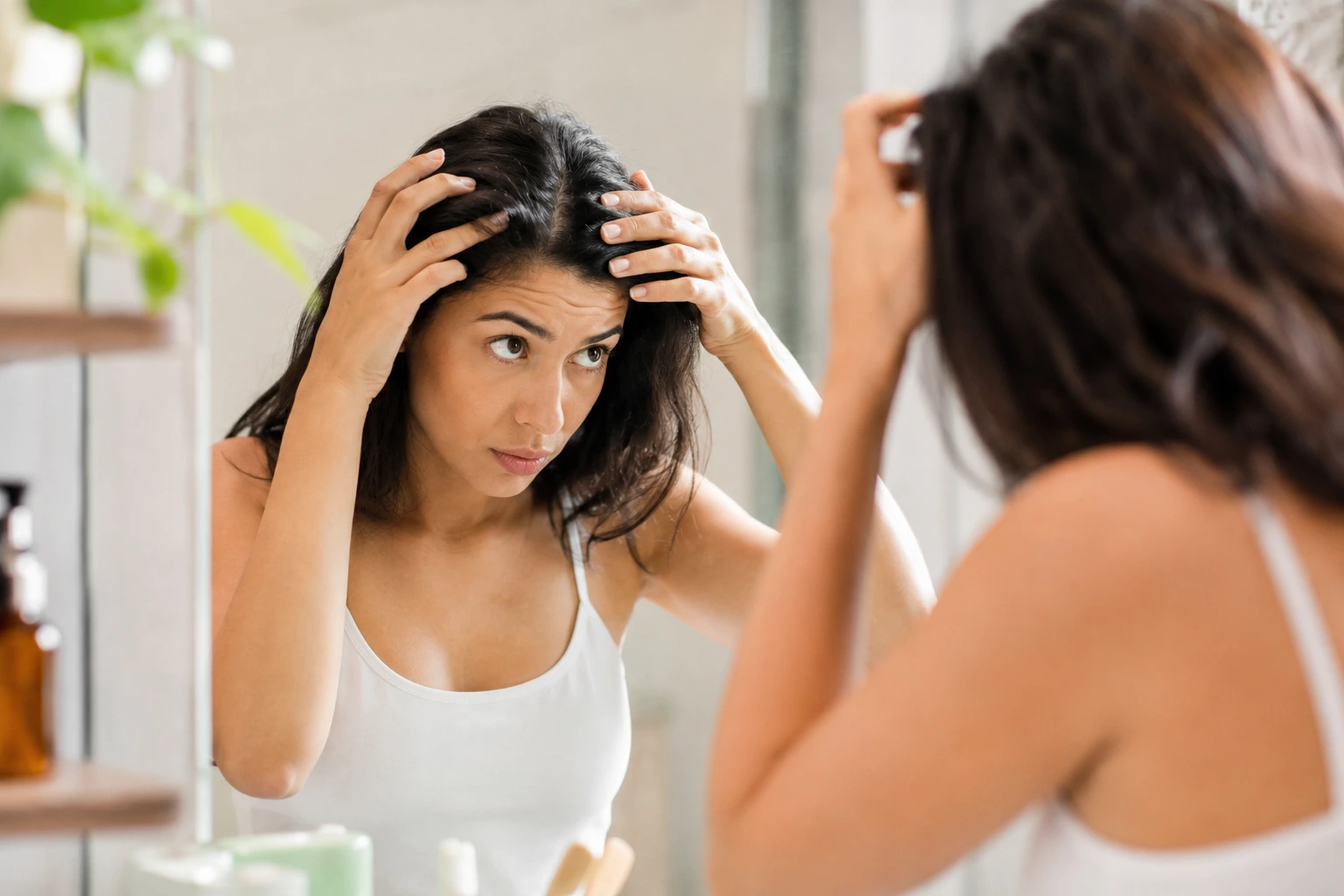
Your scalp itches constantly, your hair feels thin and dry, and nothing you’ve tried seems to stick around long enough to actually work, but the right scalp health routine can change that.
Gentle cleansing for sensitive scalp
Starting a scalp care routine begins with honest assessment of what you are currently using. Many seniors grew up with standard drugstore shampoos loaded with sulfates and harsh chemicals that strip away natural oils faster than your scalp can replace them. Picture this: you wash your hair on Monday, and by Wednesday your scalp feels tight and itchy again. That cycle is exactly what happens when you use the wrong cleanser. A sulfate-free shampoo formulated for sensitive skin feels different from the start. The lather is gentler, the scent is softer, and most importantly, your scalp doesnt feel raw afterward. Lukewarm water matters more than most people realize. Hot water opens your scalp pores too wide and can trigger inflammation, especially if you already deal with dryness or sensitivity. Massage your scalp gently in circular motions while shampooing to wake up circulation and encourage healthy hair growth without aggressive scrubbing that causes damage.
- Opt for lukewarm water instead of hot water when washing your hair.
- Massage your scalp gently while shampooing to improve circulation and promote healthy hair growth.
- Consider using a soft-bristled brush to distribute natural oils evenly through your hair.
Moisturizing for hydrated scalp
Hydration is where most seniors miss the mark entirely. You might condition your hair ends but skip the scalp, thinking moisture belongs only on strands. The truth is your scalp produces its own oils but sometimes needs backup, especially as you age and natural oil production slows down. A good moisturizing conditioner enriched with coconut oil, shea butter, or hyaluronic acid acts like a drink of water for parched skin. Leave it on for a few minutes so it actually absorbs rather than just coating the surface. Some people find that applying conditioner directly to the scalp and letting it sit while they shower helps lock in moisture. Others prefer a weekly deep conditioning treatment on scalp day. Think of it like this: your hair is the visible part, but your scalp is the foundation. Without a hydrated foundation, even the best haircut looks dull and feels brittle.
💬 Ready to feel better in 2 minutes?choose where to begin:
Regular scalp massages for relaxation
A scalp massage sounds like a luxury, but its actually practical medicine disguised as self-care. Imagine sitting in your favorite chair for five minutes, using your fingertips to work small circles across your scalp from front to back, then sides to center. You are not just feeling better in the moment, you are actually increasing blood flow to hair follicles, reducing inflammation, and releasing tension that builds up from daily stress. Many seniors hold tension in their neck and shoulders, which directly affects scalp health. A regular massage breaks that cycle. You can do this while watching television, during your morning routine, or before bed. Some people use a handheld scalp massager tool with soft bristles or nubs, while others prefer their fingertips for more control. The key is consistency and gentleness. You are not trying to scrub your scalp raw. You are coaxing it back to health with patience and care.
Protective styling for scalp care
The hairstyles you choose have real consequences for scalp health, though many people never make that connection. Tight ponytails, heavy braids pulled snug, or buns twisted firmly at the crown create constant tension on hair follicles and scalp tissue. Over time this tension can lead to breakage and irritation. A loose braid, a gentle bun, or a relaxed ponytail gives you the style you want without the damage. Your sleeping position matters too. Friction from cotton pillowcases all night can irritate a sensitive scalp and cause hair breakage. Switching to a silk or satin pillowcase is a small change with real results. Your hair slides smoothly instead of catching and pulling, and your scalp experiences less friction and irritation. Think of it as giving your scalp eight hours of recovery time each night instead of eight hours of stress.
By following a gentle cleansing routine, moisturizing your scalp, indulging in regular scalp massages, and opting for protective hairstyles, seniors can achieve healthier and happier scalps. These simple yet effective tips can make a significant difference in your scalp health and overall well-being.
How often should seniors wash their hair?
Seniors should wash their hair about 1-2 times per week to prevent over-drying the scalp and hair. Adjust the frequency based on your scalp’s specific needs and preferences.
Are there any scalp care products specifically designed for seniors?
Yes, there are scalp care products available that cater to seniors’ unique hair and scalp needs, such as gentle shampoos, moisturizing conditioners, and scalp serums designed to address age-related concerns.
Others also read:
Disclaimer: This article is for informational purposes only and is not a substitute for professional medical advice. Always consult a healthcare professional for personal guidance.
This article presents an experience-based perspective and has been reviewed by the GlobalHealthBeacon editorial team in 2026. It provides structured, evidence-based information to support informed health decisions.

