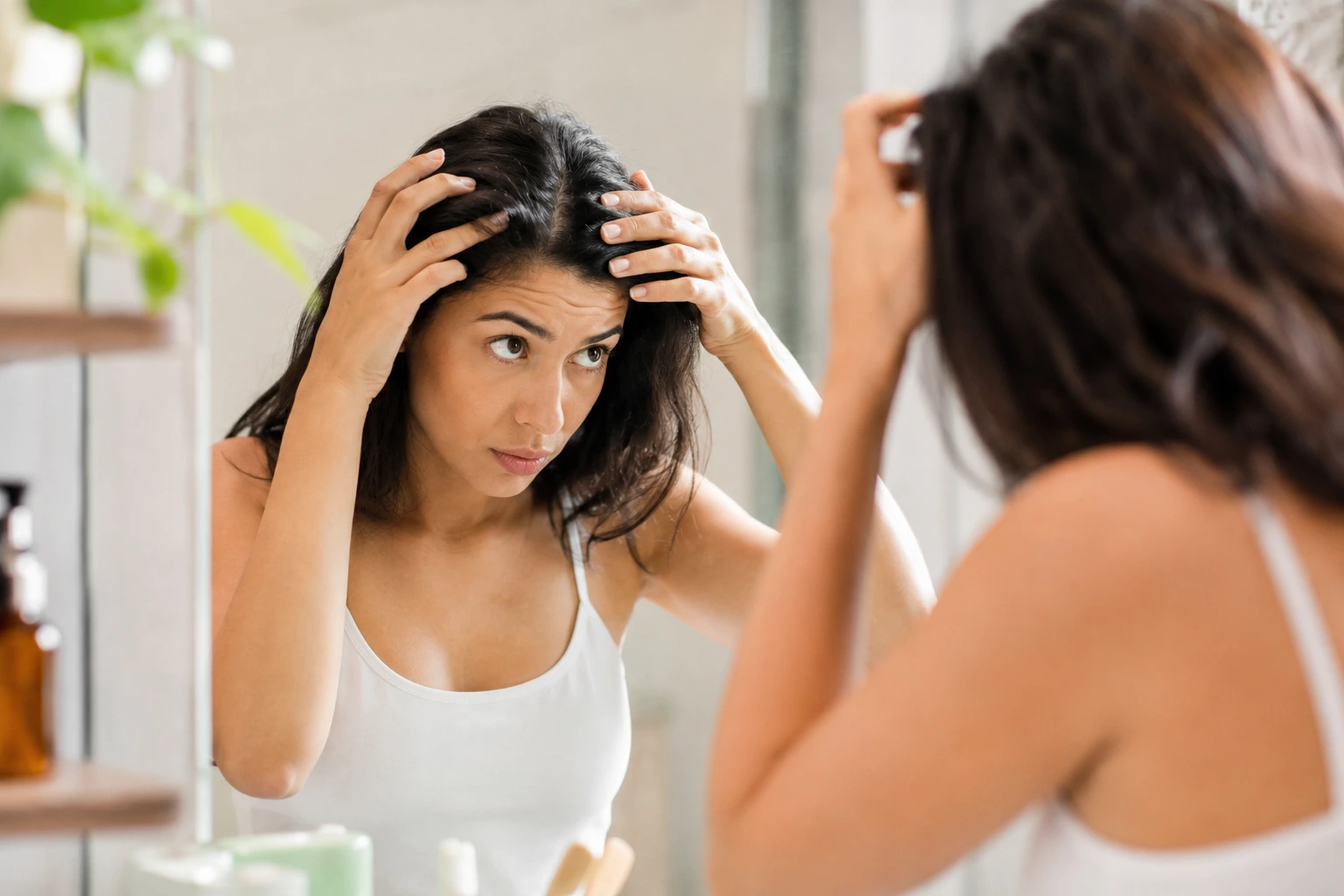
Your scalp feels itchy, flaky, and uncomfortable, and you’re tired of hair falling out more than it used to, but a proper scalp health routine can turn this around and restore the comfort and confidence you deserve.
Gentle cleansing practices
Starting a scalp health routine begins with understanding that your scalp is delicate skin that requires care, not aggression. Choose a sulfate-free shampoo formulated for your specific hair type, whether that’s dry, oily, or combination. When you wash, use lukewarm water and gently massage the shampoo into your scalp using your fingertips in slow, circular motions. Focus on the roots where oil and buildup accumulate, but avoid scratching or rubbing vigorously. Many seniors make the mistake of washing daily, which strips away protective natural oils your scalp needs. Instead, aim for 2-3 times weekly. Between washes, a dry shampoo or gentle rinse with water can refresh your hair without over-cleansing. Always rinse thoroughly until the water runs clear, as leftover shampoo residue causes itching and irritation that can feel unbearable.
- Select a sulfate-free shampoo to avoid harsh chemicals that can irritate your scalp.
- Limit washing your hair to 2-3 times a week to maintain a healthy balance of oils on your scalp.
- Ensure to rinse your scalp thoroughly to prevent any residue buildup that can lead to itchiness.
Moisturizing techniques
After shampooing, hydration is your next critical step. Apply a lightweight conditioner to the mid-lengths and ends of your hair, keeping it away from your roots to prevent that weighed-down, greasy feeling. Leave the conditioner on for 1-2 minutes to allow absorption. Once weekly, treat yourself to a deeper moisturizing session using natural oils like coconut, argan, or jojoba oil. Warm the oil slightly between your palms and apply it to your scalp, massaging gently for 5-10 minutes. Leave it on for 30 minutes or even overnight if your scalp is very dry. This practice is especially helpful if you experience flaking or tightness. Some seniors find that a leave-in conditioner spray offers convenient daily hydration without the heaviness of traditional conditioners. The goal is to restore moisture balance so your scalp feels comfortable and your hair looks healthier.
📘 Fix your day in under 2 minuteschoose where to begin:
Scalp massage benefits
A scalp massage is one of the simplest yet most effective practices you can add to your routine. Spend just 5-10 minutes daily using your fingertips to massage your scalp in gentle circular motions, working from your hairline toward the back of your head. This stimulates blood flow to your hair follicles, delivering oxygen and nutrients that promote healthier growth and reduce thinning. Beyond the physical benefits, scalp massage also releases tension you may be holding in your neck and shoulders, which is common as we age. You can do this while watching television, reading, or simply relaxing. Some people use a soft scalp massager tool, which can feel especially soothing. The massage also helps distribute your scalp’s natural oils throughout your hair, creating a protective coating. Many seniors report that this practice alone reduces itching and flaking within a few weeks because it improves circulation and prevents stagnation of oils and dead skin cells.
Avoiding harsh chemicals
Your scalp becomes more sensitive with age, making chemical exposure increasingly problematic. Read product labels carefully and avoid anything containing sulfates, parabens, silicones, and synthetic fragrances. These ingredients accumulate on your scalp over time, causing dryness, irritation, and even accelerated hair loss. Switch to natural and organic products whenever possible. This might mean paying slightly more upfront, but the reduction in scalp problems and improved hair quality make it worthwhile. Be cautious with hair dyes, relaxers, and permanents, which contain particularly harsh chemicals. If you color your hair, consider gentler plant-based dyes or spacing treatments further apart. Even styling products like gels, sprays, and mousses can irritate a sensitive scalp. When trying new products, patch test on a small area first and wait 24 hours to ensure no reaction occurs. Many seniors find that simplifying their product routine to just a gentle shampoo, conditioner, and natural oil eliminates most scalp problems entirely.
Balanced diet for scalp health
What you eat directly affects your scalp and hair health. Your body prioritizes vital organs first, so scalp nourishment depends on adequate nutrition. Include foods rich in vitamins A, C, and E, which support scalp circulation and protect against damage. Biotin, found in eggs, almonds, and sweet potatoes, strengthens hair and improves scalp resilience. Omega-3 fatty acids from fish, flaxseeds, and walnuts reduce inflammation and support scalp health. Leafy greens like spinach and kale provide iron and folate, both essential for hair growth. Protein is equally important since hair is made of keratin, a protein structure. Aim for lean meats, legumes, or plant-based proteins at each meal. Hydration is often overlooked but absolutely critical. Drink at least 8 glasses of water daily to keep your scalp hydrated from the inside out. Many seniors find that improving their diet and water intake reduces scalp dryness and flaking more effectively than any topical product alone.
Scalp health maintenance involves gentle cleansing practices, moisturizing techniques, scalp massages, avoiding harsh chemicals, and maintaining a balanced diet rich in essential nutrients.
How often should I wash my hair to maintain scalp health?
It is recommended to wash your hair 2-3 times a week to prevent stripping your scalp of natural oils while maintaining cleanliness.
Are there any specific foods that can promote scalp health?
Foods rich in vitamins A, C, E, and biotin such as leafy greens, nuts, seeds, and eggs can promote hair growth and overall scalp health.
Others also read:
Disclaimer: This article is for informational purposes only and is not a substitute for professional medical advice. Always consult a healthcare professional for personal guidance.
This guide has been prepared and reviewed by the GlobalHealthBeacon editorial team and reflects current medical research as of 2026. It provides structured, evidence-based information to support informed health decisions.

