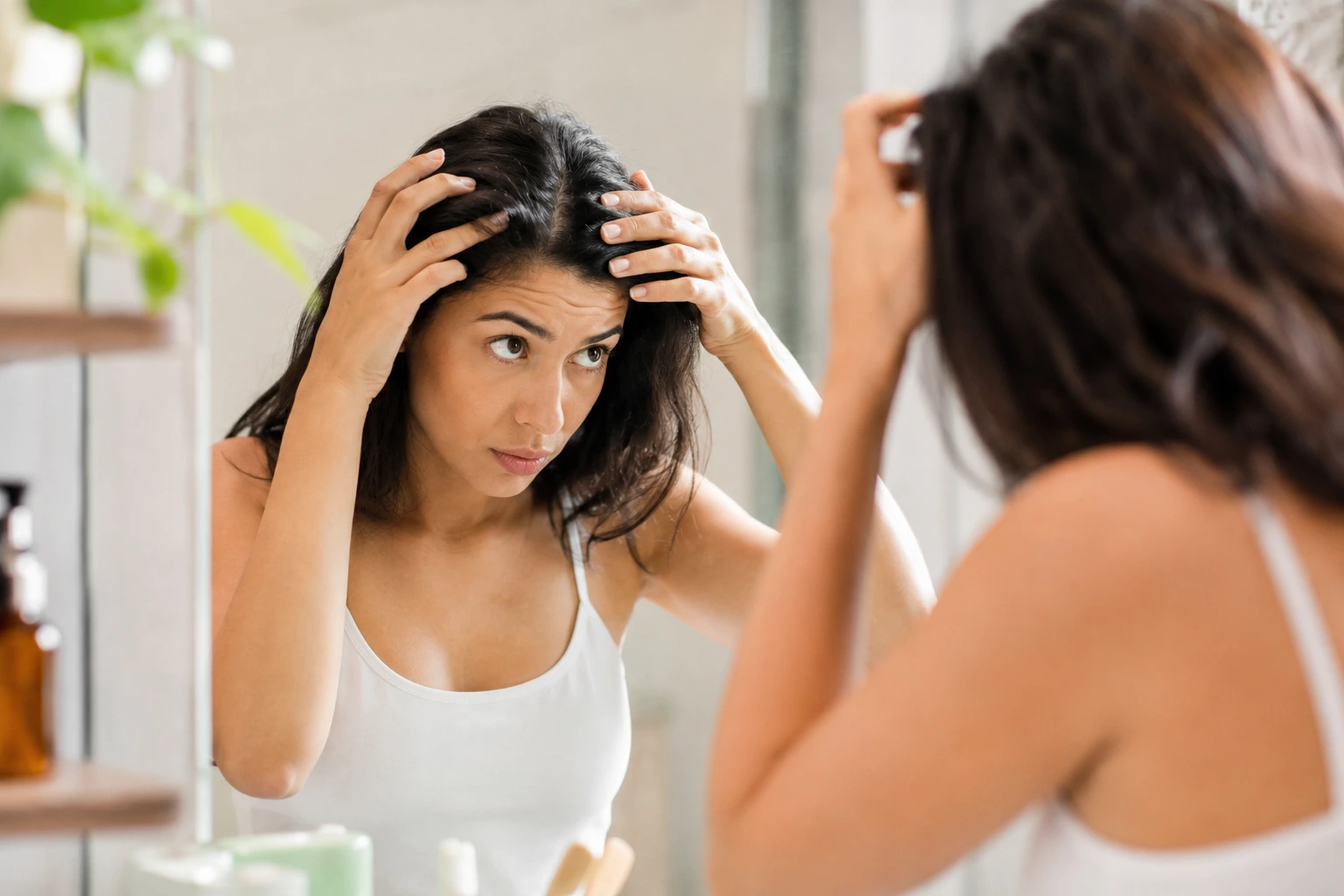
Your scalp feels itchy, flaky, or weighed down, and no amount of dry shampoo seems to fix it, but learning a proper scalp health routine can transform everything.
Choosing the right products
The foundation of any scalp routine starts with honest product selection. Many women unknowingly use shampoos loaded with sulfates and parabens that strip away natural oils, leaving the scalp dry and reactive. When you switch to sulfate-free, paraben-free formulas, you’re essentially giving your scalp permission to regulate itself. Think of it this way: if you have oily roots by day two, it’s often because your shampoo stripped everything away the day before, triggering overproduction. Start by identifying your scalp type. Is it oily, dry, sensitive, or combination? Once you know, select products specifically formulated for that type. A lightweight conditioner for oily scalps differs vastly from a nourishing one for dry scalps. Avoid the common mistake of using the same product year-round. Seasonal changes, stress, and hormonal shifts mean your scalp needs adjustments. Keep a small notebook or phone note tracking which products worked and when.
- Avoid overwashing your hair as it can strip the scalp of its natural oils.
- Consider using a scalp scrub once a week to exfoliate and remove buildup.
- Opt for moisturizing products to keep your scalp hydrated and balanced.
Scalp massage techniques
Scalp massages are not a luxury; they’re a practical tool for circulation and stress relief. When you massage your scalp, you’re increasing blood flow to hair follicles, delivering oxygen and nutrients they need to thrive. Start by using your fingertips, not your nails, to apply gentle pressure in small circular motions. Spend two to three minutes on your massage, working from the front hairline toward the back, then along the sides. Many women find this ritual calming, especially when done before bed or during a stressful day. You can enhance the experience by using a few drops of lightweight oil like jojoba or rosemary oil, which adds nourishment while you massage. A common mistake is applying too much pressure, thinking harder equals better results. In reality, gentle, consistent pressure works best. Some women use a scalp massager tool with soft silicone bristles for added benefit, though fingertips alone are equally effective. Aim for this practice three to four times weekly for noticeable improvements in scalp comfort and hair texture.
📘 Fix your day in under 2 minuteschoose where to begin:
Regular exfoliation
Exfoliation removes dead skin cells and product buildup that accumulate over time, creating a cleaner environment for hair growth. Many women skip this step, assuming regular shampooing is enough, but it’s not. Dead skin and residue from styling products, dry shampoo, and conditioners build up in ways that washing alone cannot address. Exfoliate once or twice monthly using a gentle scalp scrub or DIY option like a mixture of brown sugar and coconut oil. The texture gently lifts away debris without irritating the scalp. Apply the scrub to damp hair, massage gently for two to three minutes, then rinse thoroughly. Some women prefer chemical exfoliants with salicylic acid or glycolic acid, which dissolve buildup rather than physically scrub. Choose based on your scalp sensitivity. After exfoliation, your scalp will feel lighter and your hair may appear shinier within days. A key mistake is over-exfoliating, which can irritate a sensitive scalp. If you have conditions like eczema or psoriasis on your scalp, consult a dermatologist before starting an exfoliation routine.
Balanced diet and hydration
What you eat directly impacts your scalp health, though many women overlook this connection. Hair grows from the inside out, so nutrients matter tremendously. Vitamins A, C, and E support scalp cell turnover and protect against oxidative stress. Omega-3 fatty acids reduce inflammation and support the scalp’s natural oil production. Biotin, zinc, and iron are equally critical. If your diet lacks these nutrients, your scalp may become dry, itchy, or prone to shedding. Start by assessing your current diet. Do you eat fatty fish like salmon twice weekly? Are you consuming leafy greens, nuts, and seeds regularly? If not, these are practical additions. Hydration is equally important; drinking eight glasses of water daily ensures your body can nourish your scalp from within. Many women notice their scalp improves within four to six weeks of dietary changes. A common mistake is expecting overnight results or relying solely on supplements without eating whole foods. Real change comes from consistent, balanced nutrition. If you have dietary restrictions or concerns, consider consulting a nutritionist to ensure you’re meeting your scalp’s nutritional needs.
Protective styling practices
How you style your hair directly affects scalp health. Tight ponytails, braids, and buns create constant tension on hair follicles and the scalp, potentially leading to traction alopecia over time. This is a real concern many women face without realizing the cause. Switch to loose styles that feel comfortable without pulling. Loose braids, low ponytails, and soft buns distribute tension evenly and allow your scalp to breathe. The material of your hair accessories matters too. Metal clips and rubber bands create friction and breakage. Silk or satin scrunchies and clips reduce friction significantly, protecting both your scalp and hair shaft. Many women notice less breakage and scalp irritation within weeks of switching accessories. Avoid sleeping in tight styles; let your hair down at night to allow your scalp full recovery. If you use heat styling tools, apply a heat protectant spray first and keep tools at moderate temperatures. A common mistake is assuming protective styling means sacrificing style, but loose, elegant styles are equally beautiful and far healthier for your scalp long-term.
Maintain a healthy scalp by choosing the right products, incorporating scalp massages, regular exfoliation, balanced nutrition, and protective styling practices.
How often should I wash my hair for scalp health?
It’s recommended to wash your hair 2-3 times a week to prevent stripping your scalp of its natural oils. Adjust based on your scalp type and personal preference.
Can diet affect my scalp health?
Yes, a balanced diet rich in nutrients like vitamins and omega-3 fatty acids can promote scalp health and reduce issues like dryness and itchiness.
Others also read:
Disclaimer: This article is for informational purposes only and is not a substitute for professional medical advice. Always consult a healthcare professional for personal guidance.
This guide has been prepared and reviewed by the GlobalHealthBeacon editorial team and reflects current medical research as of 2026. It provides structured, evidence-based information to support informed health decisions.

