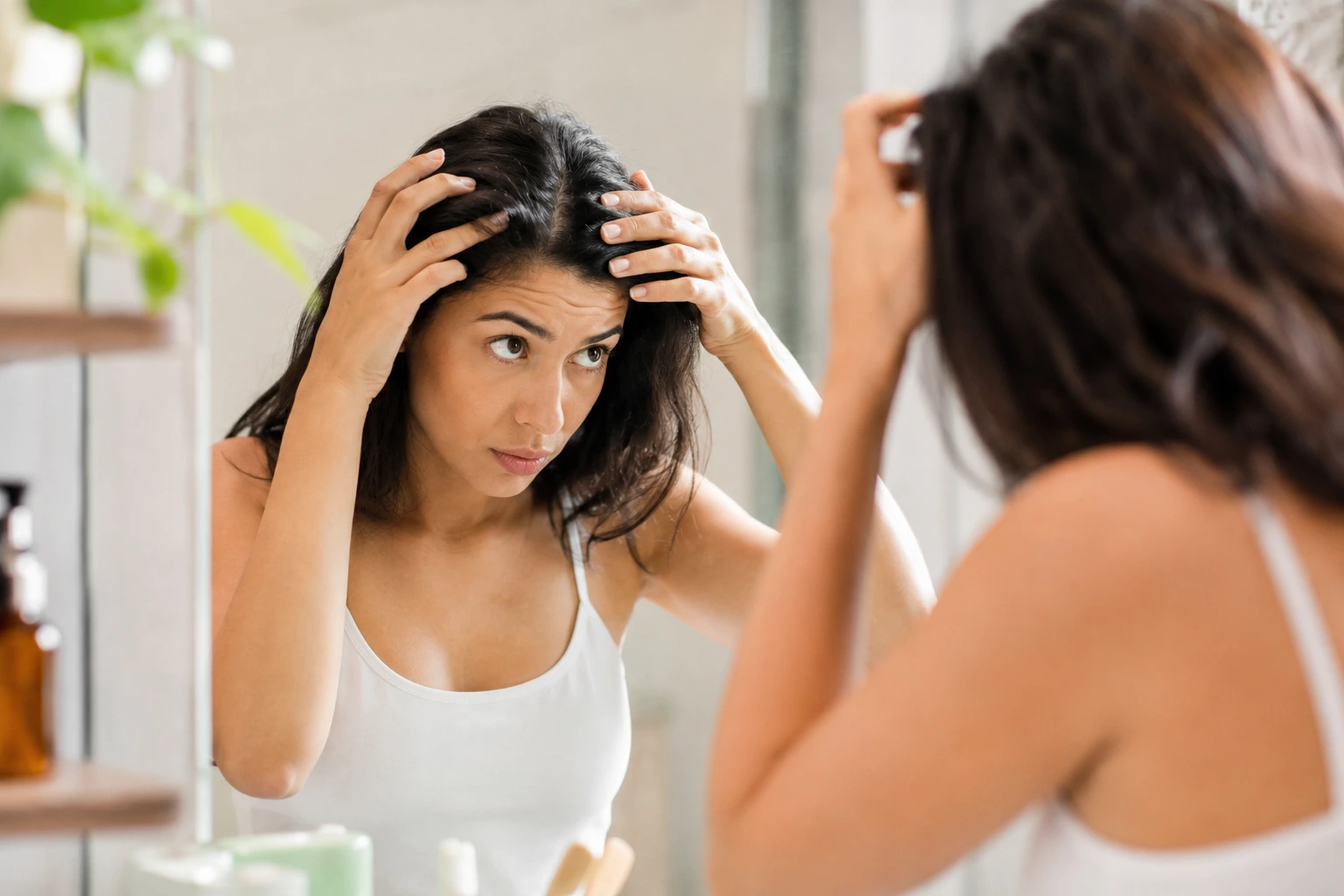
Your scalp feels itchy, flaky, or just plain angry, and you have no idea why your scalp health routine isn’t working, but this guide changes that today.
Daily gentle cleansing
Starting a scalp health routine begins with understanding that your scalp is skin, not just the base for your hair. Most young adults make the mistake of treating their scalp like it needs aggressive scrubbing, when the opposite is true. Begin by using a mild shampoo formulated for your scalp type, whether that’s oily, dry, or sensitive. Massage it in slow, deliberate circular motions using your fingertips, not your nails, for about 60 seconds. This isn’t a quick rinse situation. You’re stimulating blood flow and loosening buildup from styling products, sweat, and environmental pollution. Think of it like giving your scalp a gentle wake-up call each morning or evening. Lukewarm water is your friend here because hot water opens your scalp’s pores too much and strips away protective natural oils. After shampooing, pat your hair dry with a soft towel instead of rubbing vigorously, which can cause micro-tears in your scalp skin. The key is consistency without overdoing it. Washing every 2-3 days strikes the right balance for most young adults.
- Use lukewarm water to wash your hair, avoiding hot water that can strip your scalp of natural oils.
- Pat your hair dry with a towel instead of rubbing to reduce damage to your scalp.
- Avoid overwashing your hair, as it can lead to dryness and irritation.
Scalp massage for circulation
Scalp massages are one of the most underrated tools in any scalp health routine, yet they cost nothing and take just five minutes daily. Here’s what happens when you massage your scalp: blood flow increases to the hair follicles, delivering oxygen and nutrients that strengthen your hair from the root. Young adults often skip this step because it feels too simple, but consistency is where the magic happens. Use your fingertips, not your palms, and apply gentle pressure in small circular motions across your entire scalp. Start at your hairline and work backward toward the nape of your neck, then move to the sides. You should feel a slight tingling sensation, not pain. Some people do this while shampooing, others prefer a separate five-minute session in the evening before bed. You can even use a scalp massager tool if you prefer, though your fingers work perfectly well. Think of it as a mini workout for your scalp that also feels incredibly relaxing. Many young adults report that regular scalp massages reduce tension headaches and improve their overall sense of calm, which is a bonus benefit beyond just scalp health.
📘 Fix your day in under 2 minuteschoose where to begin:
Balanced diet for scalp health
Your scalp health routine extends beyond what you apply topically, because what you eat directly affects your hair and scalp condition. Young adults often overlook nutrition as a factor in scalp problems, but biotin, zinc, iron, and omega-3 fatty acids are non-negotiable for healthy hair growth and scalp resilience. Start by adding more nuts and seeds like almonds, walnuts, and flaxseeds to your snacks or breakfast. Leafy greens such as spinach and kale are packed with iron and vitamins that support scalp circulation. Lean proteins from chicken, fish, or plant-based sources provide amino acids that form the building blocks of hair. Fatty fish like salmon deliver omega-3s that reduce scalp inflammation and improve overall skin health. If you’re vegetarian or vegan, consider supplementing with algae-based omega-3s. The connection between diet and scalp health isn’t immediate, so give yourself at least 8-12 weeks of consistent eating before expecting visible improvements. Think of it as investing in your scalp’s future rather than seeking quick fixes.
Avoid harsh styling products
Your scalp health routine can be completely undermined by using the wrong products, which is why product selection matters as much as your daily habits. Many young adults reach for whatever styling product is cheapest or most heavily marketed, without checking the ingredient list. Harsh chemicals like sulfates strip your scalp of moisture, while alcohol-based products can cause dryness and irritation that leads to flaking or sensitivity. Read labels carefully and look for products labeled sulfate-free, paraben-free, and alcohol-free. Natural alternatives like argan oil, coconut oil, or shea butter-based products are gentler on your scalp. If you use heat styling tools like blow dryers or flat irons, always apply a heat protectant spray first. Silicone-based products can build up on your scalp over time, so consider a clarifying shampoo once monthly to remove residue. The transition to gentler products might feel strange at first because your scalp has adapted to harsh treatments, but give it two to three weeks before judging results. Your scalp will thank you with less irritation and a healthier appearance.
Protect your scalp from the sun
Sun protection for your scalp is often forgotten, yet UV damage is cumulative and can lead to dryness, irritation, and even premature hair thinning. Young adults who spend time outdoors, whether hiking, at the beach, or just commuting, expose their scalp to harmful rays without realizing it. The scalp is particularly vulnerable because it has thinner skin than most of your body and receives direct sun exposure. The simplest solution is wearing a hat, baseball cap, or visor when you’re outside for extended periods. If you prefer not to wear a hat, use a sunscreen spray specifically formulated for the scalp and hair. These products are designed to be lightweight and won’t leave your hair feeling greasy or sticky. Reapply after swimming or sweating, just like you would with body sunscreen. During peak sun hours between 10 a.m. and 4 p.m., try to seek shade when possible. Think of scalp sun protection as part of your overall skincare routine, not an optional extra. The damage happens silently and accumulates over years, so starting this habit now as a young adult protects your scalp health for decades to come.
Maintain a healthy scalp routine by daily gentle cleansing, scalp massages, a balanced diet, avoiding harsh styling products, and protecting your scalp from the sun.
How often should I wash my hair for a healthy scalp?
It’s best to wash your hair every 2-3 days to maintain a healthy scalp. Overwashing can strip your scalp of natural oils and cause dryness.
Can diet affect scalp health?
Yes, a balanced diet rich in vitamins and minerals is essential for healthy scalp and hair. Include foods like nuts, seeds, leafy greens, and proteins to nourish your scalp.
Others also read:
Disclaimer: This article is for informational purposes only and is not a substitute for professional medical advice. Always consult a healthcare professional for personal guidance.
This guide has been prepared and reviewed by the GlobalHealthBeacon editorial team and reflects current medical research as of 2026. It provides structured, evidence-based information to support informed health decisions.

