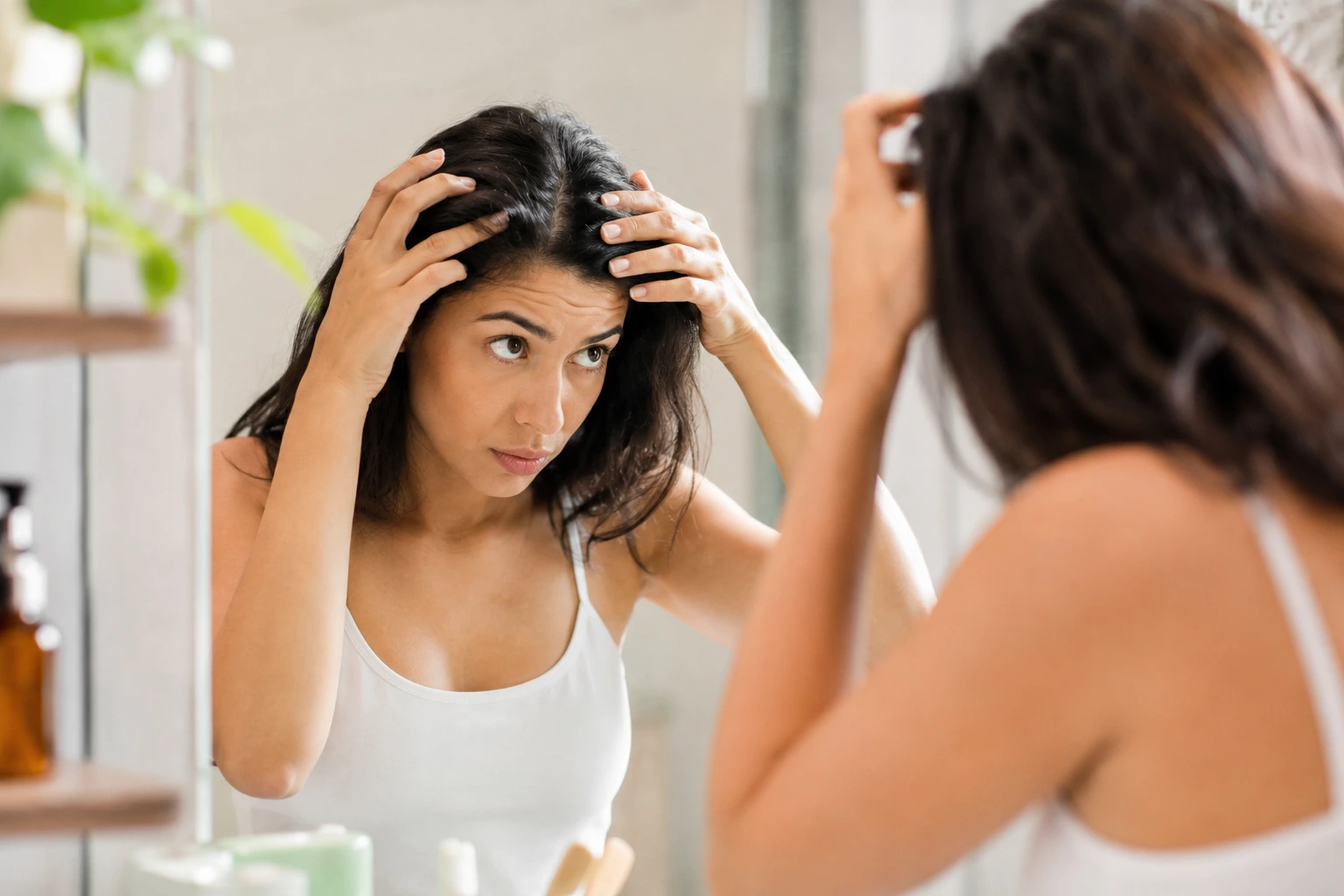
Your scalp itches constantly, your hair feels limp no matter what you do, and you’re tired of guessing what actually works for your scalp health routine.
The importance of scalp health for women
Think of your scalp as the soil in a garden. Without healthy soil, even the most beautiful flowers struggle to thrive. The same principle applies to your hair. Your scalp is a living ecosystem that produces natural oils, sheds dead skin cells, and hosts billions of microorganisms that either support or undermine hair growth. When women neglect scalp health, the consequences ripple outward. Dandruff flakes appear on dark clothing. Hair becomes brittle and breaks easily. Some women experience thinning that catches them off guard. The scalp’s health directly influences hair strength, shine, and longevity. Research shows that women who prioritize scalp care report stronger hair growth and fewer breakage issues. Beyond aesthetics, a healthy scalp means less irritation, reduced inflammation, and a foundation that allows hair to reach its full potential. Understanding this connection empowers women to move beyond surface-level hair treatments and address the root cause of their hair concerns.
Common scalp issues in women
Women experience a surprising range of scalp conditions, each with distinct causes and characteristics. Dryness often develops from overwashing, harsh products, or hormonal shifts during menopause. Conversely, excess sebum production can make hair greasy within hours of washing, creating an uncomfortable cycle of frequent shampooing that paradoxically worsens the problem. Inflammation manifests as redness, tenderness, or sensitivity to touch. Some women develop seborrheic dermatitis, a condition where the scalp becomes flaky and irritated. Others struggle with folliculitis, where hair follicles become infected or inflamed. Scalp psoriasis creates thick, silvery patches that itch intensely. Product buildup from silicones, waxes, and styling products accumulates over time, suffocating the scalp and trapping moisture. Hormonal fluctuations during menstrual cycles, pregnancy, or perimenopause can trigger sudden scalp sensitivity or oil production changes. Environmental factors like hard water, pollution, and chlorine exposure compound these issues. Understanding which condition you’re experiencing is crucial because treating dryness with heavy oils when you actually have folliculitis will only worsen the problem.
Effective women’s scalp treatments
Treating your scalp effectively requires a personalized approach rather than a one-size-fits-all solution. Start by identifying your scalp type. Oily scalps benefit from lightweight, clarifying products with ingredients like tea tree oil or salicylic acid that remove buildup without stripping natural oils. Dry scalps need nourishing formulas with glycerin, hyaluronic acid, or plant oils that restore moisture balance. Sensitive scalps require fragrance-free, hypoallergenic options with soothing ingredients like aloe vera or chamomile. Scalp massages deserve special attention because they’re scientifically proven to increase blood flow to hair follicles, delivering oxygen and nutrients that promote growth. Use your fingertips, not nails, applying gentle circular motions for five to ten minutes several times weekly. Scalp exfoliation removes dead skin cells and product residue that suffocate follicles, but over-exfoliating damages the protective barrier. A soft brush or gentle chemical exfoliant used once weekly works well for most women. Some find success with targeted treatments like scalp serums containing niacinamide or zinc pyrithione for specific concerns. The key is consistency. Results take weeks, not days, so patience and commitment matter more than jumping between products.
- Determine your scalp type by observing oil production, sensitivity, and any visible conditions.
- Select products formulated specifically for your scalp type rather than generic hair products.
- Perform scalp massages two to three times weekly using gentle circular motions with your fingertips.
- Exfoliate your scalp once weekly with a soft brush or gentle chemical exfoliant to remove buildup.
- Apply targeted treatments like serums or masks designed for your specific scalp concern.
- Maintain consistency for at least four to six weeks before evaluating results.
🔬 Science-backed benefits in 2 minuteschoose where to begin:
Understanding scalp microbiome
Your scalp hosts a complex community of bacteria, fungi, and other microorganisms that form your scalp microbiome. This isn’t something to fear. A balanced microbiome actually protects you. Beneficial bacteria produce compounds that regulate pH, prevent pathogenic organisms from taking hold, and maintain scalp health. When this delicate balance tips, problems emerge. Excessive shampooing strips away protective oils and disrupts bacterial populations, allowing harmful species to proliferate. This imbalance triggers dandruff, itching, and inflammation. Antibacterial products marketed as scalp treatments often backfire by indiscriminately killing both beneficial and harmful microorganisms, leaving your scalp vulnerable. Women who overuse these products frequently experience a rebound effect where scalp issues worsen once they stop. Research increasingly shows that supporting your microbiome through gentle cleansing, avoiding harsh chemicals, and using prebiotic or probiotic scalp products yields better long-term results than aggressive treatments. Think of it as cultivating a garden rather than scorching the earth. When you work with your scalp’s natural ecosystem instead of against it, healing happens more naturally and sustainably.
Key nutrients for scalp health
Your scalp’s health reflects your overall nutritional status. Hair follicles are metabolically active tissues that demand specific nutrients to function optimally. Biotin, a B-vitamin, supports keratin production, the protein that forms hair structure. Women with biotin deficiency often experience brittle, thinning hair. Vitamin A regulates sebum production and promotes cell turnover, preventing buildup and maintaining a healthy scalp environment. However, excessive vitamin A can paradoxically cause hair loss, so balance matters. Vitamin E acts as an antioxidant, protecting scalp cells from oxidative stress and inflammation. Iron deficiency frequently causes hair loss in women, particularly those with heavy menstrual periods. Zinc regulates oil production and supports immune function in the scalp. Omega-3 fatty acids reduce inflammation and nourish hair follicles from within. Protein provides the amino acids necessary for hair structure. A woman experiencing hair loss or scalp issues might discover that dietary gaps, not expensive treatments, are the real culprit. Consulting with a healthcare provider about nutritional status can reveal deficiencies that topical treatments alone cannot address. Combining targeted nutrition with proper scalp care creates a comprehensive approach to lasting results.
Incorporating scalp treatments into your routine
Building a sustainable scalp care routine requires realistic expectations and strategic planning. Start simple rather than overwhelming yourself with multiple products simultaneously. Add one new element at a time, waiting two to three weeks before introducing another. This approach helps you identify what actually works for your scalp versus what causes irritation. Morning routines might include a gentle rinse and scalp massage, while evening routines could feature targeted treatments or exfoliation. Frequency matters more than intensity. Consistent weekly scalp massages outperform occasional aggressive treatments. Many women find success with a basic framework: gentle cleansing two to three times weekly, scalp massage three times weekly, exfoliation once weekly, and targeted treatments as needed. Seasonal adjustments often help. Winter might require more moisturizing products due to heating systems and cold air, while summer might call for lighter formulas and more frequent clarifying treatments. Track what you’re doing and how your scalp responds. After six to eight weeks of consistent effort, you’ll notice whether your chosen approach is working. Patience and self-awareness transform scalp care from frustrating guesswork into an effective, personalized practice.
Women’s scalp health forms the foundation for strong, vibrant hair, yet many overlook this crucial aspect of their hair care routine. Understanding the biological processes at work, from microbiome balance to nutrient absorption, empowers women to make informed decisions about their scalp care. Common issues like dryness, excess oil, and inflammation respond best to targeted, consistent treatments tailored to individual scalp types. Incorporating scalp massages, gentle exfoliation, and appropriate products creates a comprehensive approach that works with your scalp’s natural systems rather than against them. Recognizing the role of nutrition and the importance of the scalp microbiome adds another dimension to effective scalp care. By combining scientific knowledge with practical strategies and realistic expectations, women can transform their scalp health and enjoy the stronger, healthier hair that follows.
How often should I exfoliate my scalp?
Most women benefit from scalp exfoliation once weekly. This frequency removes dead skin cells and product buildup without disrupting the protective barrier. Those with sensitive scalps might reduce this to every two weeks, while those with significant buildup might exfoliate twice weekly temporarily. Listen to your scalp’s response and adjust accordingly.
Are scalp massages beneficial for scalp health?
Yes, scalp massages significantly boost blood circulation to hair follicles, delivering oxygen and nutrients that support growth and health. Research indicates that consistent scalp massage can enhance hair thickness and reduce stress-related hair loss. Aim for five to ten minutes, two to three times weekly using gentle circular motions with your fingertips for optimal results.
Others also read:
Disclaimer: This article is for informational purposes only and is not a substitute for professional medical advice. Always consult a healthcare professional for personal guidance.
This article has been prepared and reviewed by the GlobalHealthBeacon editorial team and is based on current medical research and published scientific literature available in 2026. It provides structured, evidence-based information to support informed health decisions.

