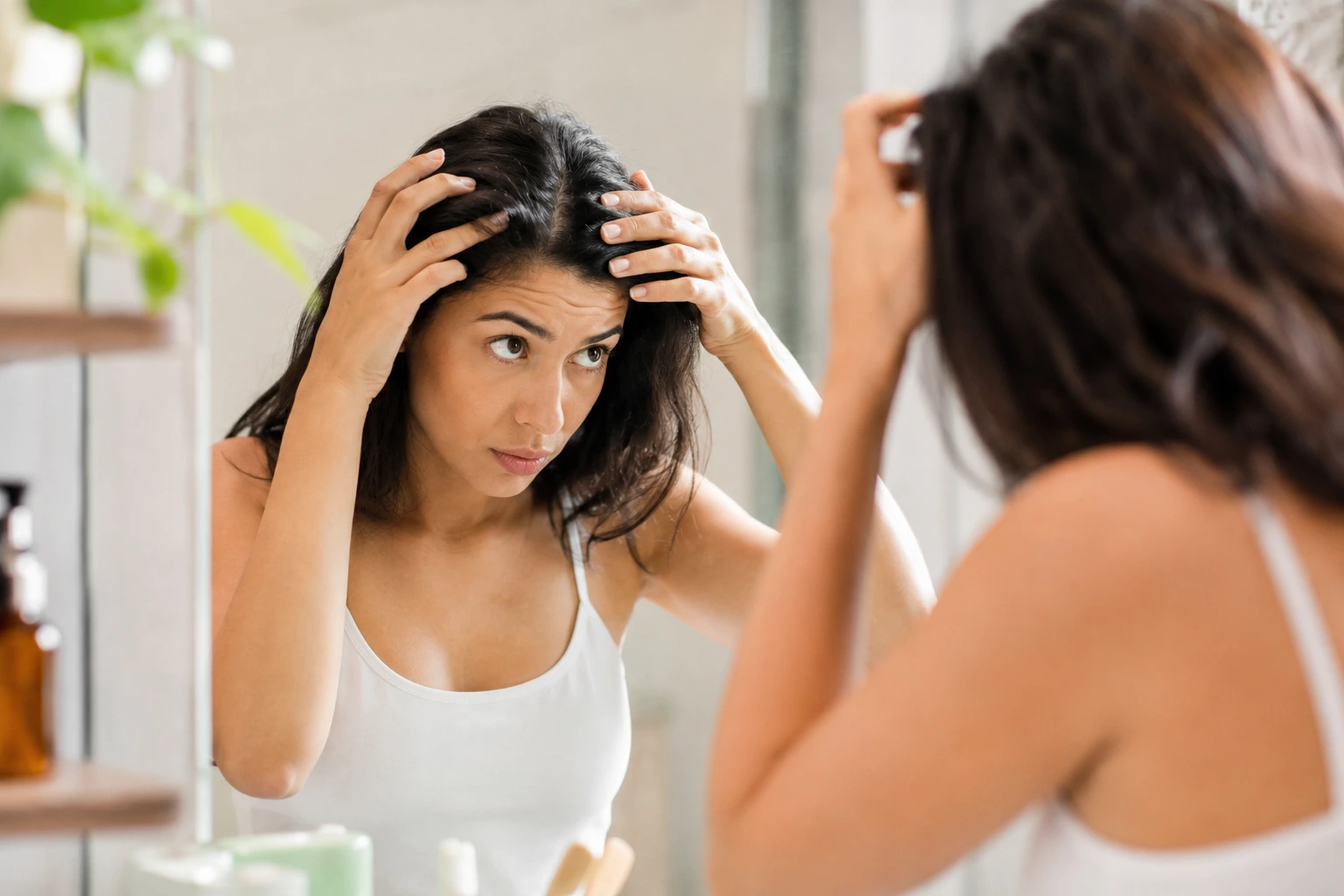
Your scalp itches constantly, flakes onto your shoulders, and nothing seems to help, but real seniors have figured out a scalp health routine that actually works.
Gentle cleansing techniques
I remember Margaret, a 68-year-old retired teacher, telling me how she used to scrub her scalp aggressively with hot water, thinking she was cleaning it properly. Within weeks, her scalp became painfully dry and irritated. She switched to lukewarm water and a sulfate-free shampoo with aloe vera, and the difference was remarkable. Many seniors discovered that mild, sulfate-free shampoos work wonders because they cleanse without stripping away the natural oils your scalp desperately needs as you age. The key is being gentle with yourself. Instead of harsh rubbing, use your fingertips to massage your scalp in slow, circular motions for about two minutes while shampooing. This improves blood circulation, nourishes hair follicles, and feels genuinely soothing. One common mistake seniors make is washing daily, which accelerates dryness. Try washing every other day or three times a week instead. For stubborn buildup, an apple cider vinegar rinse once weekly removes residue without damaging your hair or scalp.
- Use lukewarm water to wash your hair instead of hot water to prevent scalp dryness.
- Apply a scalp massage with your fingertips to improve circulation and nourish the hair follicles.
- Consider a weekly deep cleansing treatment with an apple cider vinegar rinse to remove buildup effectively.
Hydrating and moisturizing tips
After washing, your scalp needs moisture just as much as your face does. Robert, a 72-year-old who spent decades working outdoors, struggled with a perpetually flaky, uncomfortable scalp until he started treating it like he would treat dry skin on his hands. He began applying a lightweight scalp serum with hyaluronic acid right after towel-drying his hair, while his scalp was still slightly damp. This simple step made hydration penetrate deeper. Many seniors find that conditioning the scalp itself, not just the hair strands, transforms their comfort level within two to three weeks. Look for products containing argan oil, jojoba oil, or glycerin, which provide lasting moisture without feeling heavy. Some prefer leaving a hydrating mask on their scalp for ten to fifteen minutes once a week. The mistake many make is assuming their scalp doesn’t need moisturizer because it feels oily, when often that oiliness is actually the scalp overcompensating for dehydration. Finding the right balance takes patience, but once you do, the itching and flaking often disappear.
💬 Ready to feel better in 2 minutes?choose where to begin:
Avoiding irritants and allergens
Patricia discovered her scalp problems weren’t a natural part of aging when she realized her favorite floral-scented shampoo was the culprit. She switched to fragrance-free, hypoallergenic products, and her persistent itching vanished within days. This is incredibly common among seniors whose skin becomes more sensitive over time. Fragrances, sulfates, and harsh chemicals accumulate on your scalp and trigger inflammation that feels like an itch you can never quite scratch. Start by reading ingredient labels carefully and eliminating products with artificial fragrances or dyes. If you color your hair, ask your stylist about gentler formulas designed for sensitive scalps. Many seniors also notice their scalp reacts poorly to certain styling products like gels, sprays, or dry shampoos, so experiment by removing one product at a time to identify your specific triggers. Keep a simple log of what you use and how your scalp feels. This detective work takes a few weeks but reveals patterns you might otherwise miss. Avoiding irritants isn’t about restriction, it’s about discovering what your unique scalp actually needs.
Seeking professional advice
When James tried everything for six months without improvement, he finally visited a dermatologist and learned he had seborrheic dermatitis, a treatable condition that no amount of home care alone could resolve. This moment changed everything for him because he realized scalp issues sometimes need professional diagnosis. If you’ve been consistent with gentle cleansing, hydration, and allergen avoidance for six to eight weeks and still experience significant itching, flaking, redness, or soreness, it’s time to see a healthcare professional. A dermatologist can identify whether you’re dealing with dandruff, dermatitis, psoriasis, fungal infections, or something else entirely, then recommend targeted treatments or prescription solutions tailored to your specific condition. Don’t feel discouraged if home methods alone aren’t enough. Many seniors find that combining professional treatment with the gentle routines described here creates the best results. Your scalp health is worth the investment in expert guidance.
Seniors found success in gentle cleansing techniques, hydrating practices, allergen avoidance, and seeking professional guidance for their scalp health. By prioritizing scalp care and adopting a holistic approach, many seniors improved their scalp health and overall well-being.
Can frequent hair washing lead to scalp issues?
Washing your hair too often can strip away natural oils and disrupt the scalp’s moisture balance, potentially leading to dryness or irritation. It’s best to find a balance and wash your hair as needed to maintain scalp health.
Are scalp issues common among seniors?
Scalp issues can affect individuals of all ages, including seniors. As skin ages, it may become more susceptible to dryness, itching, or sensitivities. However, with proper care and the right scalp routine, seniors can manage and improve their scalp health.
Others also read:
Disclaimer: This article is for informational purposes only and is not a substitute for professional medical advice. Always consult a healthcare professional for personal guidance.
This article presents an experience-based perspective and has been reviewed by the GlobalHealthBeacon editorial team in 2026. It provides structured, evidence-based information to support informed health decisions.

