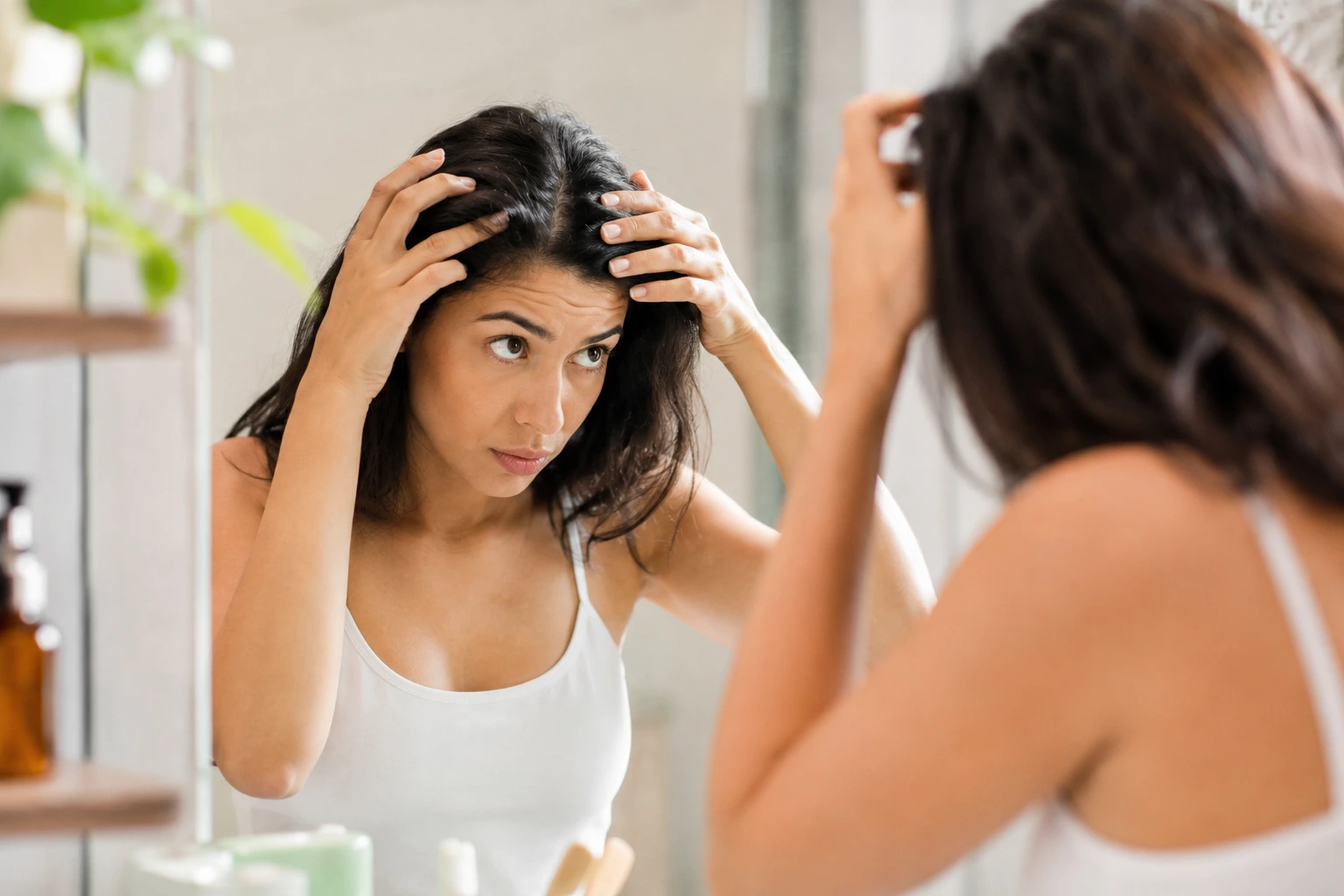
That constant itch, the flakes falling onto your shoulders, the embarrassment of scratching in public – your scalp is screaming for help, and a real scalp health routine is the only thing that finally stops the madness.
Revolutionize your routine with the right products
I remember standing in the hair care aisle feeling completely overwhelmed, staring at hundreds of bottles and having no idea which one would actually help. The truth is, most of us have been using whatever shampoo was on sale, never thinking about whether it was actually designed for scalp health. When you switch to products specifically formulated for your scalp, like gentle shampoos with tea tree oil or salicylic acid, something shifts. You start noticing that tightness and irritation ease up. A woman I know spent years using clarifying shampoos that left her scalp feeling stripped and raw, then switched to sulfate-free formulas and saw improvement within two weeks. The key is understanding that your scalp is skin, not just the base for your hair, so it deserves the same care you’d give your face. Look for ingredients that cleanse without stripping, and don’t be afraid to try a weekly scalp scrub to physically remove buildup that regular washing can’t touch.
- Opt for sulfate-free hair care products to prevent stripping your scalp of its natural oils.
- Incorporate a weekly scalp scrub or exfoliant to remove buildup and invigorate the skin.
- Consider a scalp serum or treatment with antioxidants like vitamin E to nourish and protect your scalp.
Nourish your scalp from the inside out
Here’s something nobody talks about: your scalp health starts at the dinner table, not in the shower. I used to think expensive treatments were the answer until I realized I was eating processed foods and drinking barely any water. Your scalp needs omega-3 fatty acids to stay lubricated, vitamin C to support collagen, vitamin E to fight oxidative stress, and zinc to regulate oil production. Think of it like this: if your body is dehydrated and malnourished, your scalp will be too. Adding fatty fish, nuts, leafy greens, and citrus fruits to your meals makes a real difference. One woman I spoke with started drinking more water and adding flaxseeds to her breakfast, and within a month her scalp felt less tight and her hair had more shine. It sounds simple because it is, but consistency matters. Your scalp reflects what you’re putting into your body, so treat nutrition as part of your scalp care routine, not an afterthought.
💬 Ready to feel better in 2 minutes?choose where to begin:
Care for your scalp beyond washing
Overwashing is one of the biggest mistakes women make, and I was guilty of it too. You feel greasy, so you wash, which strips your scalp, which then overproduces oil, so you wash again. It’s a cycle that never ends until you break it. Your scalp has natural oils for a reason, and when you wash too frequently, especially with hot water, you’re essentially telling your scalp to produce even more oil to compensate. I switched to washing every other day and using lukewarm water, and my scalp stabilized within three weeks. When you do wash, use gentle circular motions with your fingertips, not your nails, and avoid aggressive scrubbing. Think of it like massaging your scalp, not attacking it. Many women find that reducing wash frequency from daily to three times a week transforms their scalp health completely. It takes patience, but your scalp will thank you.
Mind your styling habits
Tight ponytails, braids pulled so close they give you a headache, and constant heat styling create tension and damage that your scalp feels directly. I didn’t realize how much my sleek bun hairstyle was contributing to my scalp problems until I started wearing my hair down more often and noticed the irritation decreasing. Your hair follicles are anchored to your scalp, and when you’re constantly pulling them, you’re creating inflammation at the root. Heat tools dry out your scalp and can cause sensitivity, so when you do style, use a heat protectant spray and keep tools on lower settings. Something simple like cleaning your hair brush and straightener weekly prevents bacteria and product buildup from transferring back to your scalp. One woman switched to loose waves instead of tight curls and reduced her heat tool use by half, and her scalp went from angry and inflamed to calm and balanced. Small changes in how you treat your hair physically make an enormous difference in how your scalp feels.
The key to scalp health lies in choosing the right products, nourishing your scalp from within, adopting gentle washing practices, and being mindful of your styling habits. By following these simple steps, you can achieve a healthy scalp that feels nourished and balanced.
Can I use regular shampoo for my scalp?
It’s best to use shampoos specifically formulated for scalp health to avoid irritating or drying out your skin. Look for products with gentle ingredients and avoid harsh sulfates.
How often should I exfoliate my scalp?
Exfoliating your scalp once a week can help remove buildup and dead skin cells. However, listen to your skin’s needs – if you experience irritation, reduce the frequency of exfoliation.
Others also read:
Disclaimer: This article is for informational purposes only and is not a substitute for professional medical advice. Always consult a healthcare professional for personal guidance.
This article presents an experience-based perspective and has been reviewed by the GlobalHealthBeacon editorial team in 2026. It provides structured, evidence-based information to support informed health decisions.

