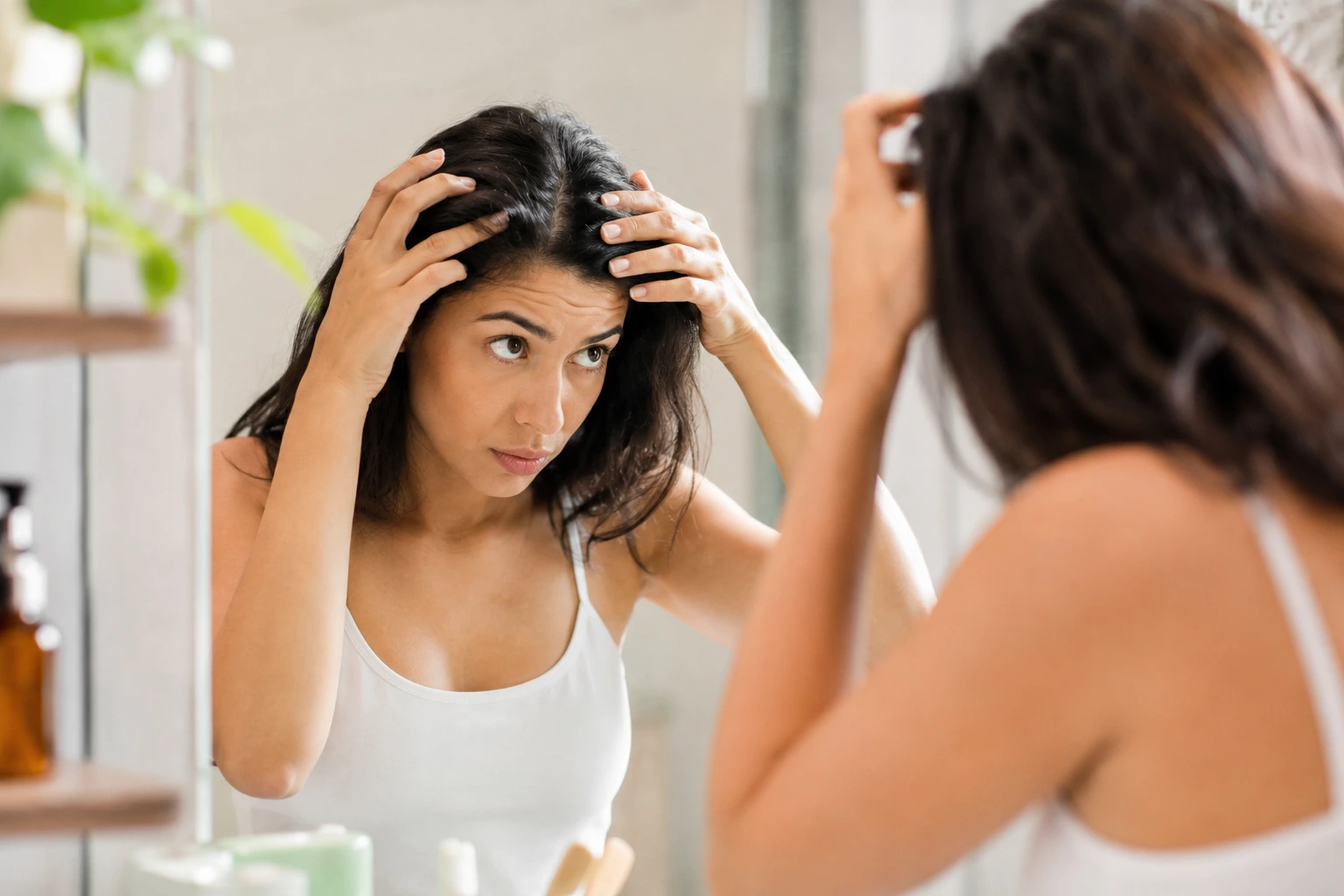
Your scalp health routine is falling apart, and you have no idea which products are actually worth your money or if you are just throwing cash at marketing hype.
Effective ingredients for scalp health
When you start researching scalp products, the ingredient list is where the real story unfolds. Tea tree oil, peppermint, salicylic acid, and ketoconazole are not just buzzwords, they are active compounds with proven track records. Tea tree oil works by penetrating the scalp to reduce dandruff and calm inflammation that causes itching and flaking. Peppermint does something different, it stimulates blood flow to hair follicles, which can actually improve hair thickness over time. Salicylic acid functions like a gentle exfoliant, breaking down dead skin cells and product buildup that clogs your scalp. Ketoconazole targets fungal issues directly, making it essential if you struggle with persistent itchiness. Picture this: you have been using a basic drugstore shampoo for months, wondering why your scalp still feels tight and uncomfortable. The missing piece was likely one of these targeted ingredients. When shopping, read labels carefully and match the ingredient to your specific concern, whether that is flaking, oiliness, or sensitivity.
- Tea tree oil helps reduce dandruff and soothe scalp irritation.
- Peppermint stimulates blood flow to the scalp, promoting hair growth.
- Salicylic acid exfoliates the scalp, preventing clogged pores and buildup.
Choosing the right shampoo and conditioner
Sulfate-free shampoos are not a trend, they are a necessity if you want a healthy scalp. Sulfates strip away natural oils aggressively, leaving your scalp dry and triggering overproduction of sebum to compensate. This creates a frustrating cycle where your scalp feels greasy even though it is actually dehydrated. Look for shampoos with moisturizing agents like coconut oil, shea butter, or glycerin that nourish while cleansing. A woman with fine hair might worry that these ingredients will weigh her down, but modern formulations are designed to hydrate without heaviness. Conditioners deserve equal attention, especially those with protein-based ingredients like keratin or silk amino acids that strengthen hair follicles from root to tip. Apply conditioner primarily to the ends and mid-lengths, avoiding the scalp itself unless it is extremely dry. Think of your shampoo and conditioner as a matched pair, each one working to support the other. Switching between brands frequently can disrupt your scalp balance, so give a new routine at least three to four weeks to show results.
📘 Fix your day in under 2 minuteschoose where to begin:
Scalp treatments for specific concerns
If your scalp issues persist despite regular shampooing, targeted treatments become your next line of defense. Zinc pyrithione is particularly effective for dandruff and seborrheic dermatitis, working by slowing skin cell turnover and reducing fungal growth. Selenium sulfide operates similarly but is often reserved for more stubborn cases because it can be drying if overused. Coal tar treatments are older remedies that still work well for scaling and itching, though the smell takes some getting used to. A typical scenario: you notice white flakes on your dark clothing and realize your regular routine is not enough. This is when a weekly scalp serum or intensive treatment becomes your solution. Apply these treatments to a clean scalp, massage gently for a few minutes to ensure absorption, and leave on for the recommended time before rinsing. Some women find that using a scalp treatment once weekly maintains results, while others need twice weekly applications during flare-ups. Rotate treatments occasionally to prevent your scalp from adapting and reducing their effectiveness over time.
Daily scalp care practices
Your daily habits matter as much as the products you buy. Scalp massages are not indulgent, they are functional. Spend two to three minutes each day using your fingertips to massage your scalp in circular motions, starting at the hairline and working backward. This boosts circulation, which delivers oxygen and nutrients to hair follicles and promotes growth. Water temperature is another often-overlooked factor, hot water opens the scalp cuticles and strips oils, while lukewarm water cleanses without damage. Many women do not realize that their scalp is suffering because they shower with water that is too hot. Heat styling tools like blow dryers, flat irons, and curling tools can damage the scalp if used too close or too frequently. If you must use heat, apply a protective spray first and keep the tool at least six inches away from your scalp. Consider air-drying when possible or using lower heat settings. Your pillowcase matters too, silk or satin reduces friction compared to cotton, which can minimize breakage and scalp irritation. These small daily choices compound over weeks and months, creating a noticeably healthier scalp environment.
Consulting with a dermatologist
Sometimes despite your best efforts with products and routines, scalp issues refuse to improve. This is the moment to stop self-treating and seek professional guidance. A dermatologist can identify underlying conditions like psoriasis, lichen planus, or fungal infections that require prescription treatments, not over-the-counter products. They can also assess whether your scalp sensitivity is related to allergies or contact dermatitis from specific ingredients. Many women waste months trying different products when a simple ten-minute dermatology appointment could have provided answers immediately. Your doctor can perform a scalp examination, possibly take samples if needed, and prescribe targeted solutions like medicated shampoos, topical steroids, or oral medications depending on the diagnosis. If you have tried multiple scalp products over several weeks without improvement, or if you experience pain, severe itching, hair loss, or visible signs of infection, schedule an appointment. Dermatologists also stay updated on the newest treatments and can recommend clinical-grade products not available at retail stores. This professional step is not a failure of your routine, it is a smart investment in getting real answers and effective solutions.
Effective scalp care involves choosing products with key ingredients like tea tree oil and salicylic acid, selecting sulfate-free shampoos and conditioners with moisturizing agents, and using targeted treatments for specific concerns. Daily scalp massages, proper water temperature, and limiting heat styling support your routine. When issues persist, dermatologist consultation provides personalized diagnosis and treatment options tailored to your scalp health.
How often should I wash my scalp?
It’s recommended to wash your scalp two to three times a week to maintain a healthy balance of natural oils and prevent dryness or irritation.
Are natural remedies effective for scalp health?
While natural remedies like tea tree oil or coconut oil can offer benefits, they may not always address specific scalp issues effectively. It’s important to choose products with proven active ingredients for optimal results.
Others also read:
Disclaimer: This article is for informational purposes only and is not a substitute for professional medical advice. Always consult a healthcare professional for personal guidance.
This guide has been prepared and reviewed by the GlobalHealthBeacon editorial team and reflects current medical research as of 2026. It provides structured, evidence-based information to support informed health decisions.

