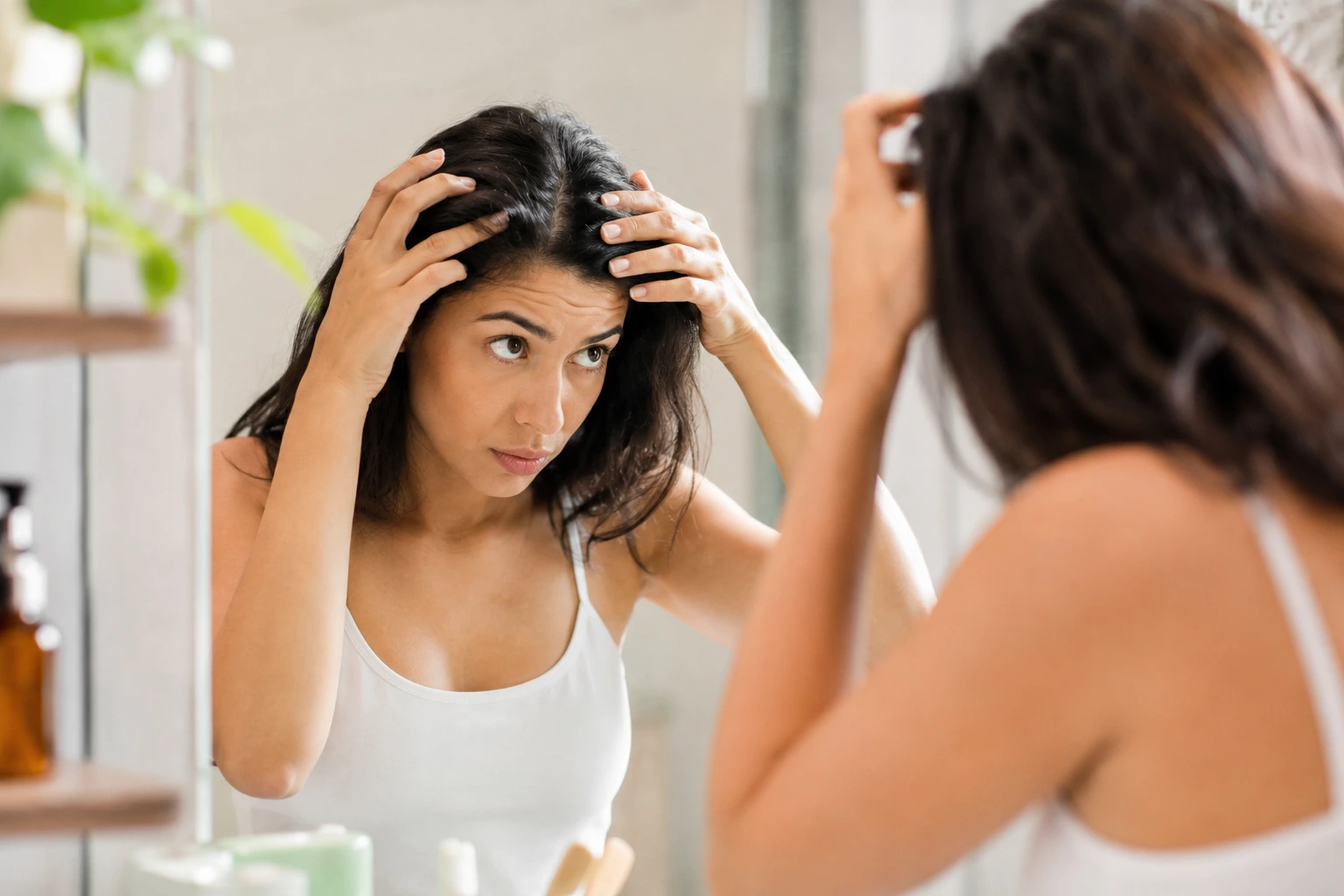
Your scalp feels itchy, flaky, or just plain uncomfortable, and you’re tired of guessing what actually works for a healthy scalp health routine that makes a real difference.
The scalp microbiome: key to healthy hair
Think of your scalp as an ecosystem. Just like your gut contains trillions of beneficial bacteria that support digestion and immunity, your scalp hosts its own complex community of microorganisms. This scalp microbiome includes bacteria, fungi, and other microbes that, when balanced, create an environment where hair thrives. When this delicate balance tips, problems emerge. An overgrowth of certain fungi like Malassezia can trigger dandruff, while bacterial imbalances may lead to inflammation and itching. Women often notice these shifts during hormonal changes, seasonal transitions, or after using new products. The microbiome acts as a protective barrier, preventing harmful pathogens from colonizing the scalp and disrupting hair growth cycles. Research shows that maintaining microbial diversity on the scalp correlates with fewer scalp complaints and stronger hair quality overall.
Nutrition and hydration for scalp health
Your scalp reflects what you feed your body. Vitamins A, E, and biotin are not just buzzwords in beauty marketing; they play specific roles in scalp function. Vitamin A regulates sebum production, the natural oil that protects your scalp. Without adequate vitamin A, your scalp becomes either too dry or overproduces oil to compensate. Biotin strengthens the protein structure of hair and supports the cells that produce hair growth. Vitamin E acts as an antioxidant, protecting scalp cells from oxidative stress caused by sun exposure and pollution. Beyond vitamins, minerals like zinc and iron support hair follicle health. Hydration works differently than you might think; drinking water helps maintain skin elasticity and supports nutrient transport to hair follicles, but topical hydration through conditioners and oils is equally important. Many women find that addressing nutritional gaps improves scalp health within 8 to 12 weeks, though individual timelines vary.
Effective scalp care practices
Scalp care is not one-size-fits-all, but certain practices benefit most women. Scalp massage increases blood flow to hair follicles, delivering oxygen and nutrients while helping distribute your scalp’s natural oils from root to tip. Use your fingertips, not your nails, in slow circular motions for 5 to 10 minutes several times weekly. Product selection matters tremendously. A pH-balanced shampoo and conditioner maintain your scalp’s natural acidity, which protects against bacterial overgrowth. Many conventional products are too alkaline, disrupting this protective barrier. Sun protection is often overlooked; your scalp skin ages and damages just like facial skin. UV exposure can weaken hair follicles and accelerate scalp aging. Wearing a hat during prolonged sun exposure or using a sunscreen spray designed for hair and scalp provides practical protection. Common mistakes include over-washing, which strips natural oils and forces the scalp to overproduce them, and using water that is too hot, which irritates the scalp and opens the hair cuticle.
- Gently massage the scalp regularly for improved circulation.
- Select hair care products that are mild and pH-balanced.
- Shield the scalp from harmful UV rays by wearing a hat or applying sunscreen.
🔬 Science-backed benefits in 2 minuteschoose where to begin:
Stress management and scalp health
Chronic stress triggers a cascade of hormonal changes that directly affect your scalp. When you experience prolonged stress, your body releases cortisol, which can push hair follicles from the growth phase into the shedding phase, a condition called telogen effluvium. Women often notice increased hair shedding during stressful periods like job transitions, relationship changes, or health concerns. Stress also impairs immune function, making the scalp more vulnerable to inflammatory conditions like alopecia areata, where the immune system mistakenly attacks hair follicles. Additionally, stress constricts blood vessels, reducing blood flow to the scalp and limiting nutrient delivery. Practices like yoga, meditation, or even regular walks activate your parasympathetic nervous system, the body’s natural relaxation response. These activities lower cortisol levels and improve circulation. Many women report that combining stress management with scalp care produces better results than either approach alone. Even 10 to 15 minutes of daily stress relief can meaningfully impact scalp health over weeks.
Avoiding harsh hair treatments
Chemical treatments like permanent waves, relaxers, and frequent coloring alter the protein structure of hair and can damage the scalp itself. These processes often involve strong alkaline chemicals that disrupt the scalp’s pH balance and microbiome. Repeated chemical treatments weaken hair follicles, making them more prone to breakage and shedding. Women who undergo frequent coloring or straightening often experience scalp sensitivity, irritation, and sometimes chemical burns if the scalp is already compromised. The damage extends beyond immediate effects; weakened follicles produce thinner, shorter hair over time. If you choose to color or chemically treat your hair, spacing treatments at least 8 to 12 weeks apart allows your scalp and hair to recover. Gentler alternatives like plant-based dyes, henna, or simply embracing your natural color protect your scalp’s integrity. Deep conditioning treatments and scalp masks between chemical treatments help restore moisture and support the microbiome’s recovery.
Professional scalp evaluation and treatment
If you experience persistent scalp issues like chronic itching, unusual hair loss, visible scalp lesions, or flaking that does not improve with over-the-counter products, professional evaluation is worthwhile. A dermatologist or trichologist can identify the specific cause, whether it is a fungal infection, bacterial overgrowth, autoimmune condition, or nutritional deficiency. Professional tools like dermoscopy allow specialists to examine hair follicles and scalp tissue in detail, revealing issues invisible to the naked eye. Personalized treatment might include prescription-strength topical medications, oral supplements, or targeted therapies designed for your specific condition. Many women delay seeking professional help, assuming scalp issues are cosmetic or will resolve on their own, but early intervention often prevents progression and produces better outcomes. A professional can also recommend products and practices tailored to your scalp type and concerns, saving you time and money on ineffective treatments.
Understanding the scalp microbiome, practicing proper hygiene, nourishing the scalp with essential nutrients, managing stress levels, and avoiding harsh treatments are key components of a science-backed approach to women’s scalp health.
Can scalp health affect hair growth?
Yes, an unhealthy scalp can disrupt hair growth cycles and lead to issues like hair loss or thinning.
How often should I wash my hair for optimal scalp health?
The frequency of hair washing depends on individual scalp conditions. Generally, 2-3 times a week is sufficient for most people.
Others also read:
Disclaimer: This article is for informational purposes only and is not a substitute for professional medical advice. Always consult a healthcare professional for personal guidance.
This article has been prepared and reviewed by the GlobalHealthBeacon editorial team and is based on current medical research and published scientific literature available in 2026. It provides structured, evidence-based information to support informed health decisions.

