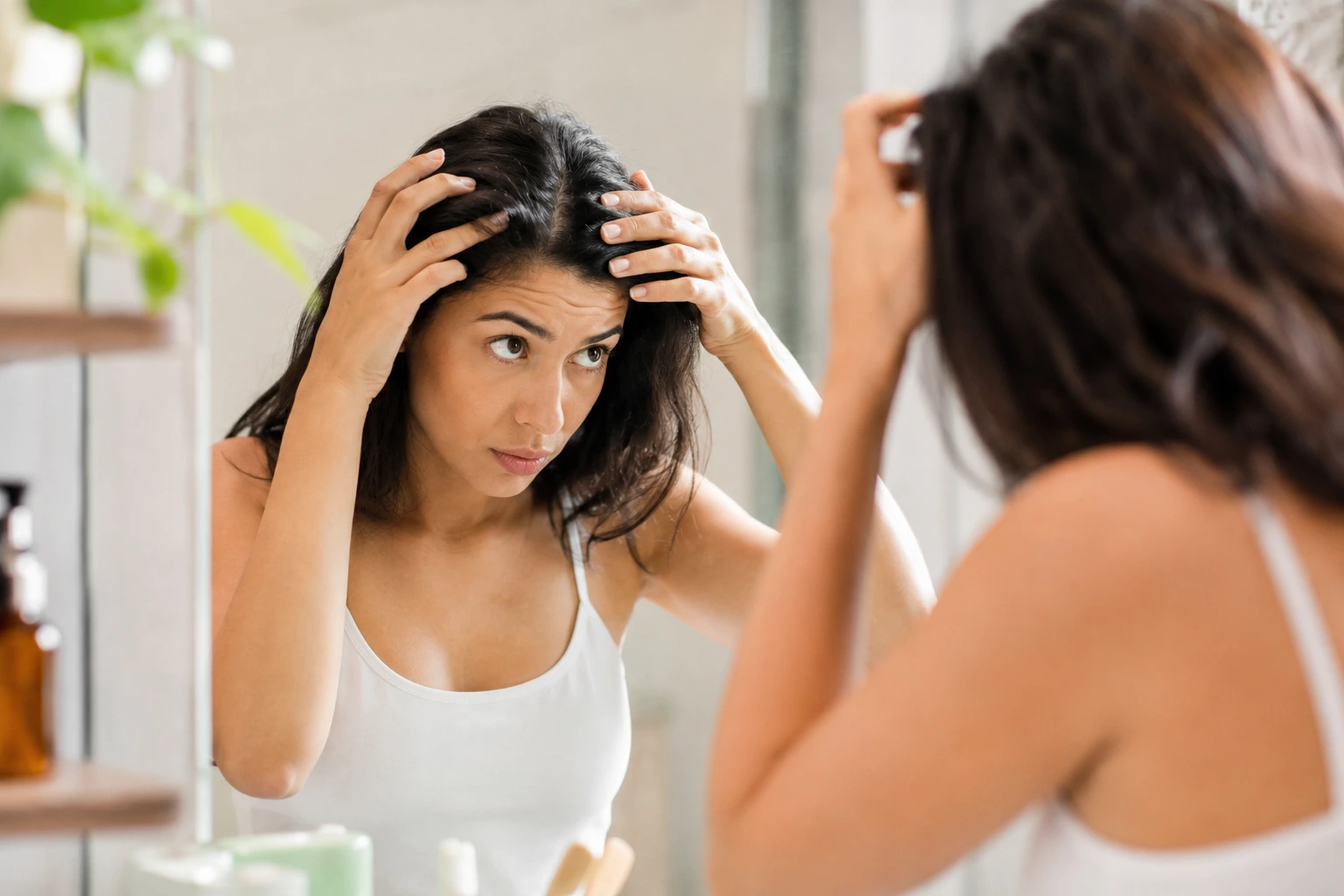
Your scalp itches constantly, flakes land on your shoulders, and you’re tired of feeling self-conscious about your hair, but nobody talks about fixing your scalp health routine as you get older.
Daily scalp care routine for seniors
Creating a routine suited to senior scalps involves understanding what your aging skin actually needs. Think of it like this: you wouldn’t use the same harsh soap on delicate facial skin that you’d use on your hands, right? Your scalp deserves that same gentleness. Start by switching to sulfate-free shampoos that won’t strip away natural oils your scalp desperately needs to stay comfortable. Picture yourself standing under warm water, massaging your scalp with your fingertips in slow circular motions for a full minute. This isn’t just relaxing, it actually increases blood flow to your hair follicles. Follow up with a hydrating conditioner, focusing on the scalp itself, not just the ends. Many seniors make the mistake of skipping conditioner on the scalp, thinking it will make hair greasy, but that’s actually backwards. A well-moisturized scalp produces healthier hair overall.
- Choose mild, nourishing hair care products specifically designed for sensitive scalps.
- Limit the use of heat styling tools to prevent drying out your scalp and hair.
- Regularly massage your scalp to stimulate blood circulation and promote hair growth.
Importance of hydration for scalp health
Hydration starts from the inside out, and this becomes increasingly important as we age. Your body’s ability to retain water naturally decreases, which means your scalp becomes more vulnerable to dryness and irritation. Imagine your scalp cells as tiny sponges that need consistent moisture to function properly. Drinking plenty of water throughout the day isn’t just general wellness advice, it’s foundational scalp care. Aim for at least eight glasses daily, more if you’re active or live in a dry climate. Beyond water, incorporating omega-3 fatty acids into your diet through salmon, walnuts, or flaxseeds can genuinely transform scalp health. These healthy fats help maintain your scalp’s natural moisture barrier, reducing that maddening itching and flaking. Many seniors notice significant improvement within three to four weeks of consistent hydration and dietary changes.
💬 Ready to feel better in 2 minutes?choose where to begin:
Gentle hair care practices for seniors
Harsh treatments and excessive washing are common culprits behind scalp problems in older adults. Every time you wash your hair, you’re potentially stripping away protective oils your scalp needs to stay balanced. Instead of daily washing, aim for two to three times weekly with lukewarm, not hot, water. Hot water opens your scalp’s cuticles and allows moisture to escape. When you do wash, use your fingertips, never your nails, and avoid aggressive scrubbing. Invest in a soft bristle brush or even a wide-tooth comb for detangling. Tight hair ties and elastic bands can create tension that damages both hair and scalp. One senior we know switched to silk scrunchies and noticed less breakage and scalp tenderness within weeks. Chemical treatments like dyes, perms, or relaxers can be especially problematic for aging scalps, so consider gentler alternatives or extending time between treatments.
Protect your scalp from the sun
Your scalp experiences the same sun exposure as your face and hands, yet many people forget to protect it. UV rays don’t just cause sunburn; they damage the delicate skin on your scalp, accelerate aging, and can trigger or worsen scalp conditions. If you spend time gardening, walking, or enjoying outdoor activities, a wide-brimmed hat is your best friend. Not only does it shield your scalp from direct rays, it also keeps you cooler on hot days. On days when you’re not wearing a hat, consider using a scalp-friendly sunscreen specifically formulated for hair and scalp. These products are lightweight and won’t leave residue like body sunscreen would. One practical tip: reapply sunscreen after swimming or sweating, just as you would on exposed skin. Think of scalp protection as part of your overall anti-aging strategy, because what happens to your scalp shows up in your hair’s appearance and health.
Effective scalp care strategies for seniors involve gentle cleansing, hydration, and protection from environmental factors. By incorporating these simple practices into your daily routine, you can maintain a healthy scalp and hair despite the challenges of aging.
Can aging affect scalp health?
Yes, as we age, the skin on our scalp tends to become drier and more sensitive. This can lead to scalp issues such as dryness, itchiness, and flakiness.
How often should seniors wash their hair?
Seniors with delicate scalps should aim to wash their hair 2-3 times a week using mild, sulfate-free shampoos to avoid stripping the scalp of its natural oils.
Others also read:
Disclaimer: This article is for informational purposes only and is not a substitute for professional medical advice. Always consult a healthcare professional for personal guidance.
This article presents an experience-based perspective and has been reviewed by the GlobalHealthBeacon editorial team in 2026. It provides structured, evidence-based information to support informed health decisions.

