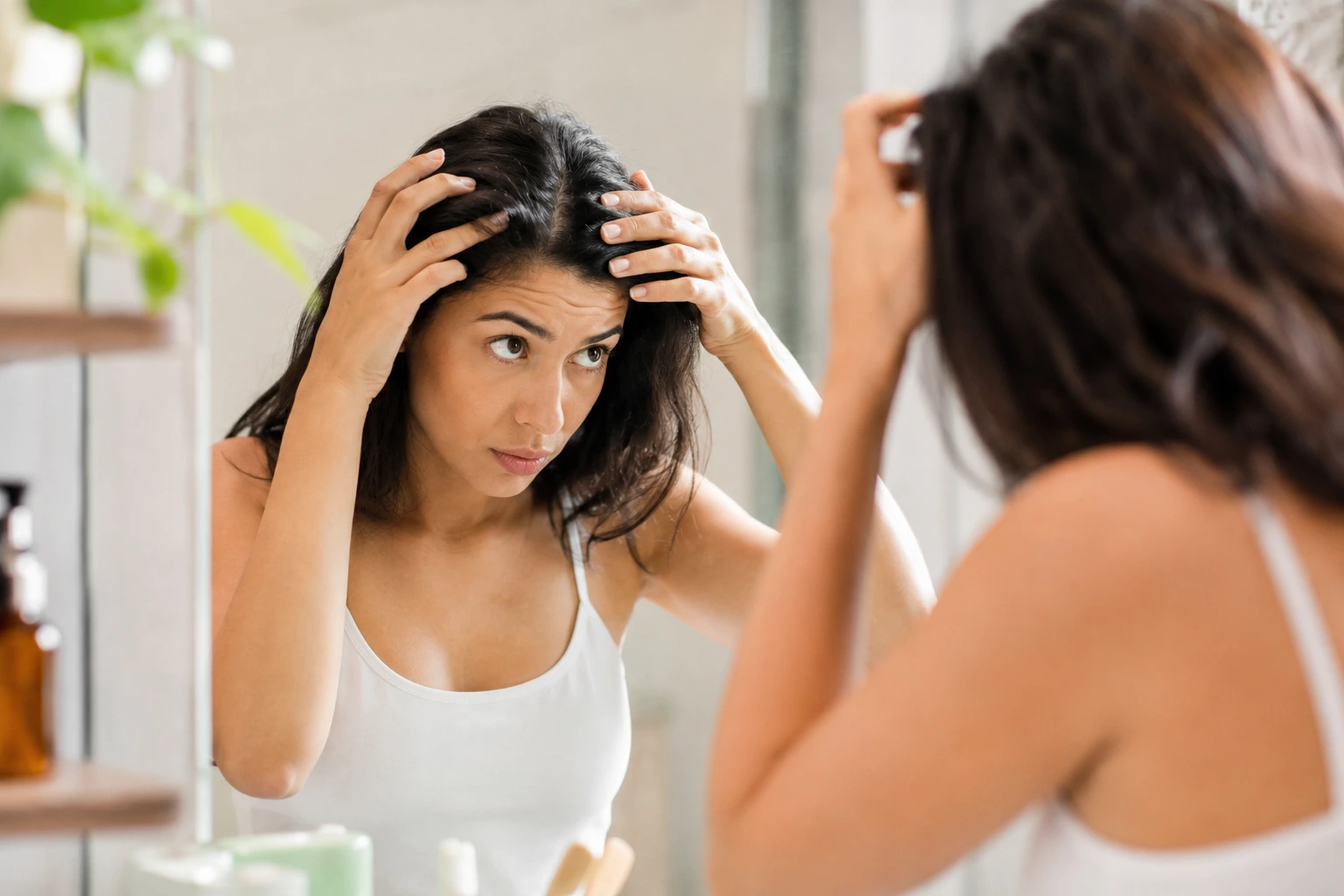
Your scalp feels itchy, flaky, or just plain gross, and no amount of regular shampooing seems to fix it, so here’s exactly how to build a scalp health routine that actually works.
Deep cleaning techniques
Think of your scalp like the foundation of a house. If you don’t maintain it properly, everything built on top starts to crumble. Deep cleaning goes beyond your regular wash day routine. Start by using a clarifying shampoo once weekly, working it gently into your scalp with your fingertips using small circular motions for about two minutes. This removes product buildup, excess oils, and environmental debris that accumulate over time. Picture this: you’ve been using the same conditioner for months, and it’s coating your scalp like a waxy layer. A clarifying shampoo strips that away. Beyond shampooing, invest in a scalp scrub exfoliator to physically remove dead skin cells and boost blood circulation. Many young adults skip this step thinking it’s unnecessary, but your scalp sheds skin just like the rest of your body. Use it gently twice monthly to avoid irritation. A scalp massager tool can amplify your cleansing efforts by reaching areas your fingers miss and stimulating follicles more effectively.
- Utilize a scalp scrub exfoliator to remove dead skin cells and increase blood circulation.
- Incorporate a scalp massager to enhance the efficacy of your cleansing routine.
- Consider using a tea tree oil-infused shampoo for its antimicrobial properties.
Moisturizing with natural oils
After deep cleaning strips away buildup, your scalp needs nourishment. Natural oils like coconut, argan, and jojoba are game-changers because they penetrate the scalp barrier rather than sitting on top like silicone-based products. Coconut oil works well for those with dry, flaky scalps and has natural antifungal properties. Argan oil is lighter and suits oily scalps better, while jojoba mimics your skin’s natural sebum, making it universally compatible. Apply oil to your scalp, not your hair strands, and massage it in using your fingertips for five to ten minutes. Leave it on for at least thirty minutes, or overnight if you can manage it. A common mistake young adults make is applying too much oil too frequently, which can clog pores and worsen oiliness. Start with a quarter-sized amount once or twice weekly and adjust based on your scalp’s response. Some people see results within two weeks, while others need a full month to notice improved hydration and reduced itching.
📘 Fix your day in under 2 minuteschoose where to begin:
Balanced diet for scalp health
What you eat directly impacts your scalp and hair quality. Your hair follicles are living structures that require consistent nutrition to thrive. Young adults often overlook this connection, focusing only on topical treatments while ignoring internal factors. Biotin, zinc, iron, and omega-3 fatty acids are essential for strong hair growth and a healthy scalp. Leafy greens like spinach and kale provide iron and folate. Fatty fish such as salmon deliver omega-3s that reduce inflammation. Nuts, seeds, and legumes supply biotin and zinc. Imagine your scalp as a garden: without proper nutrients in the soil, even the best surface treatments won’t produce thriving plants. Dehydration is another overlooked culprit. Many young adults drink coffee and energy drinks but neglect plain water. Aim for at least eight glasses daily to keep your scalp hydrated from within. If you notice persistent scalp issues despite good topical care, consider consulting a nutritionist to identify any dietary gaps or deficiencies affecting your hair health.
Regular scalp massages
Scalp massages are one of the simplest yet most underutilized tools for scalp health. They work by increasing blood flow to hair follicles, delivering oxygen and nutrients while removing metabolic waste. Spend just five minutes daily massaging your scalp using your fingertips in slow, deliberate circular motions. Start at your hairline and work backward toward the nape of your neck, then move to the sides. You should feel a gentle pressure, never pain. Many young adults report that daily massages reduce stress-related hair loss and improve overall scalp sensation. Some use this time as a meditation practice, making it a mental health benefit alongside physical benefits. You can do this while watching TV, listening to podcasts, or in the shower. A heated scalp massager tool can amplify results by combining massage with gentle warmth, which relaxes muscles and enhances absorption of any oils or treatments you apply. Consistency matters more than intensity. Even three minutes daily beats an aggressive fifteen-minute session once monthly.
Protective styling practices
How you style your hair directly affects scalp health. Tight hairstyles like high ponytails, buns, and braids create constant tension on hair follicles and the scalp, leading to a condition called traction alopecia where hair gradually thins from repeated pulling. Young adults often don’t realize their favorite sleek bun or tight braids are causing long-term damage. Opt for looser styles that feel comfortable when you move your head. If you do wear tight styles, vary them daily and give your scalp tension-free days. Your choice of hair accessories matters too. Metal clips and elastic bands create friction and breakage. Switch to silk or satin scrunchies and clips, which slide smoothly against hair without snagging. At night, use a silk pillowcase instead of cotton, which creates friction and can irritate your scalp while you sleep. Think of protective styling as preventive medicine for your scalp. You’re not just maintaining current health, you’re preventing future problems like hair loss and scalp sensitivity. These small changes require minimal effort but yield significant long-term benefits for both scalp and hair quality.
Effective scalp routines involve deep cleaning, moisturizing with natural oils, maintaining a balanced diet, regular scalp massages, and protective styling practices.
How often should I deep clean my scalp?
It is recommended to deep clean your scalp using clarifying shampoo once a week to eliminate build-up and maintain a healthy scalp environment.
Can scalp massages promote hair growth?
Scalp massages help stimulate blood flow to the hair follicles, promoting circulation and potentially aiding in hair growth. However, results may vary for individuals.
Others also read:
Disclaimer: This article is for informational purposes only and is not a substitute for professional medical advice. Always consult a healthcare professional for personal guidance.
This guide has been prepared and reviewed by the GlobalHealthBeacon editorial team and reflects current medical research as of 2026. It provides structured, evidence-based information to support informed health decisions.

