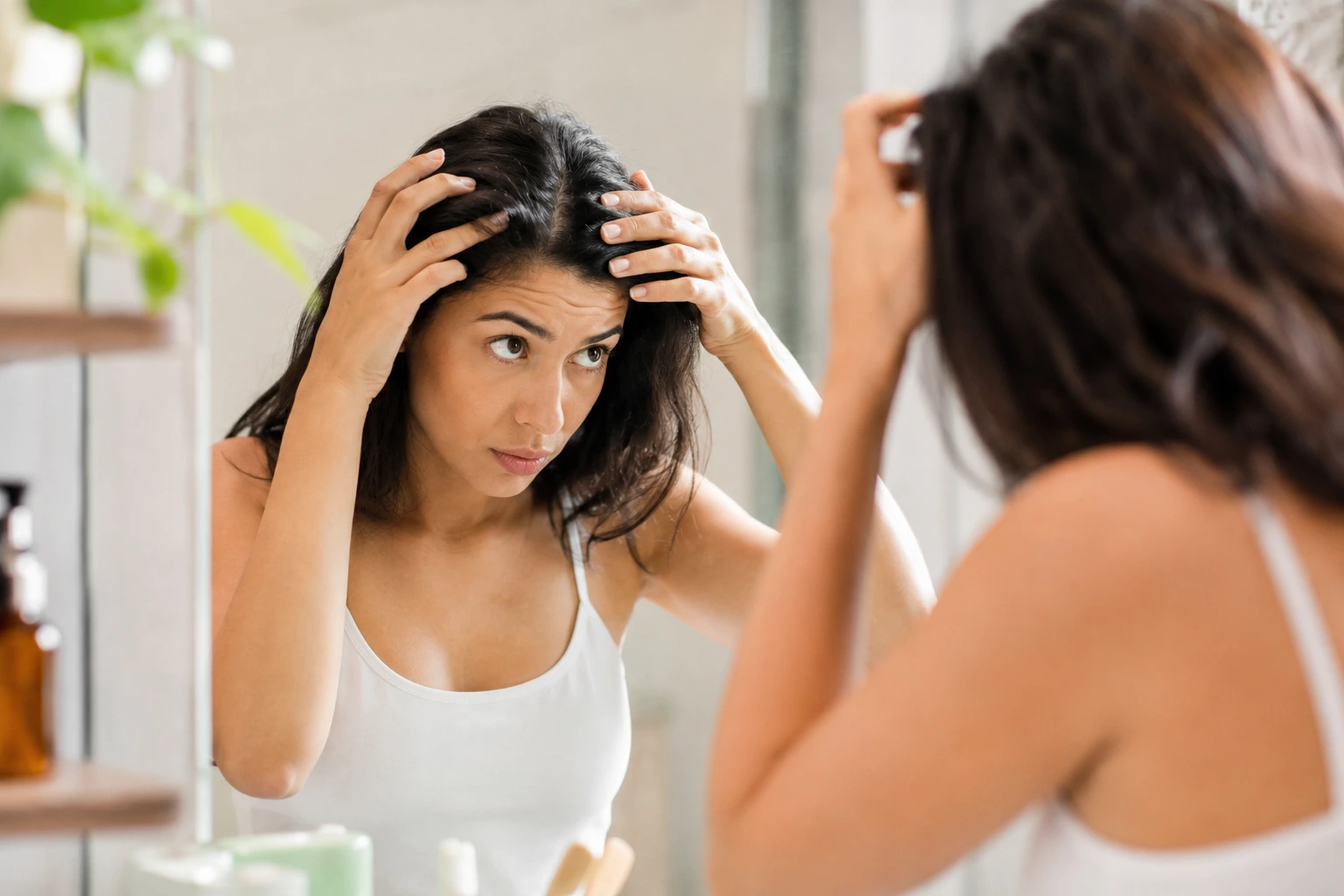
Your scalp feels itchy, flaky, or just plain uncomfortable, and you are tired of guessing what your scalp health routine should actually include to feel normal again.
Understanding scalp health
The scalp is far more than just the skin beneath your hair. It is a complex ecosystem that directly influences whether your hair grows strong or becomes thin and brittle as you age. Think of it like the soil in a garden: if the soil is depleted or unhealthy, even the best seeds will struggle to thrive. Your scalp contains thousands of hair follicles, sebaceous glands that produce natural oils, and a delicate network of blood vessels that nourish each strand from the root. As we enter our senior years, this system changes. The scalp produces less natural oil, becomes more sensitive to environmental stressors, and may develop conditions like dandruff or irritation more easily. Understanding these biological shifts is not just helpful, it is essential. When you grasp how your scalp actually works, you stop treating it as an afterthought and start recognizing it as the foundation of healthy hair. Many seniors discover that their hair problems were never really about the hair itself, but about neglecting the scalp underneath.
Key factors for scalp health
Several interconnected factors determine whether your scalp stays balanced or becomes problematic. Sebum production is one of the most important. This oily substance, produced by glands in your scalp, serves a critical purpose: it moisturizes hair, protects against bacteria, and maintains a protective barrier. However, as you age, sebum production often decreases, leaving your scalp dry and vulnerable. Hydration levels matter just as much. A dehydrated scalp cannot maintain its natural pH balance, which typically sits between 4.5 and 5.5 on the acidity scale. When pH shifts too far in either direction, you invite problems like itching, flaking, and inflammation. Environmental factors also play a role. Chlorine from swimming pools, hard water minerals, pollution, and even indoor heating systems can strip away natural oils and disrupt scalp chemistry. Many seniors find that simply switching to filtered water for washing makes a noticeable difference. Additionally, the products you use matter enormously. Harsh sulfates strip away protective oils, while heavy silicones can build up and suffocate hair follicles. Understanding these factors helps you make informed choices about what touches your scalp.
Effective scalp care routine
Building a scalp care routine is not complicated, but it does require consistency and intentionality. Start by selecting a gentle shampoo formulated for your specific scalp type. If your scalp tends toward dryness, look for moisturizing formulas with ingredients like glycerin or argan oil. If you experience oiliness, seek clarifying shampoos with natural ingredients like tea tree oil or charcoal. The key is finding what works for your unique scalp, not what marketing promises. When you wash, resist the urge to scrub aggressively. Instead, use your fingertips to massage your scalp in slow, circular motions for at least two minutes. This gentle massage stimulates blood flow to hair follicles, delivering oxygen and nutrients while also helping to distribute natural oils evenly. Many seniors report that this simple step alone reduces itching and improves hair texture within weeks. After washing, allow your hair to air dry whenever possible. Heat from blow dryers can damage the scalp’s protective barrier and cause irritation, especially if your scalp is already sensitive. If you must use heat, keep the dryer on a cool setting and maintain distance from your scalp. Consider limiting hair washing to two or three times weekly, allowing your scalp to maintain its natural oil balance between washes.
- Select a mild, sulfate-free shampoo formulated for your scalp type, whether dry, oily, or sensitive.
- Massage your scalp in gentle circular motions with your fingertips for at least two minutes while washing.
- Allow your hair to air dry whenever possible, or use a cool setting on a blow dryer if necessary.
🔬 Science-backed benefits in 2 minuteschoose where to begin:
Nutrition and scalp health
What you eat directly affects the health of your scalp and hair. This is not folklore, it is biology. Your hair follicles require specific nutrients to function properly, and when your diet lacks these building blocks, your scalp suffers first. Vitamin E acts as a powerful antioxidant, protecting scalp cells from oxidative stress and supporting blood circulation. Zinc is essential for cell growth and repair, and deficiency often manifests as dandruff or hair loss. Omega-3 fatty acids reduce inflammation in the scalp and support the production of natural oils. B vitamins, particularly biotin and B12, strengthen hair structure and support follicle health. Iron carries oxygen to hair roots, and without adequate iron, follicles enter a resting phase, leading to thinning. Rather than chasing supplements, focus on whole foods. Fatty fish like salmon and mackerel provide omega-3s and vitamin D. Leafy greens like spinach and kale offer iron, folate, and antioxidants. Nuts and seeds deliver vitamin E and zinc. Eggs provide protein and biotin. A simple shift toward nutrient-dense eating often produces visible improvements in scalp condition within two to three months.
Stress management and scalp health
Stress is a silent saboteur of scalp health. When you experience chronic stress, your body releases cortisol, a hormone that triggers inflammation throughout your system, including your scalp. This inflammation can accelerate hair loss, trigger dandruff flare-ups, and increase scalp sensitivity. Many seniors notice that during stressful periods, their scalp becomes itchier or their hair sheds more noticeably. The good news is that managing stress directly improves scalp condition. Meditation, even just ten minutes daily, reduces cortisol levels and calms the nervous system. Yoga combines gentle movement with breathing techniques that activate your parasympathetic nervous system, the part responsible for relaxation and healing. Deep breathing exercises, practiced several times daily, signal to your body that you are safe, reducing the inflammatory cascade that damages your scalp. Walking in nature, engaging in hobbies you enjoy, or spending time with loved ones all contribute to stress reduction. Many seniors find that when they prioritize stress management, not only does their scalp improve, but they also sleep better, experience less anxiety, and feel more energized overall. Your scalp is listening to your nervous system.
Regular scalp check-ups
Just as you visit your doctor for regular health screenings, your scalp deserves professional attention. A dermatologist can identify early signs of scalp conditions that you might miss or misinterpret. Fungal infections, bacterial overgrowth, seborrheic dermatitis, psoriasis, and other conditions often present with similar symptoms like itching or flaking, but require different treatments. Early detection makes a significant difference in outcomes. During a scalp check-up, a dermatologist examines the skin directly, may take samples if infection is suspected, and can recommend targeted treatments tailored to your specific condition. Many seniors find that one professional visit clarifies years of confusion about their scalp problems. Additionally, if you notice sudden changes like increased hair loss, persistent itching that does not respond to home care, unusual scaling, redness, or any sign of infection, schedule an appointment promptly. Your scalp health is worth the investment in professional guidance, especially as aging brings natural changes to skin and hair.
Maintaining scalp health involves understanding how your scalp functions biologically, recognizing the key factors that influence its condition, implementing a consistent but gentle care routine, nourishing your body with nutrient-rich foods, managing stress through relaxation practices, and seeking professional guidance when needed. These elements work together to create an environment where your hair can thrive.
How often should I wash my hair for optimal scalp health?
Washing your hair two to three times weekly with a gentle shampoo is typically recommended for maintaining scalp health as you age. However, this varies based on your individual scalp type, lifestyle, and climate. If your scalp feels dry between washes, reduce frequency. If it becomes oily quickly, you may need to wash more often. The goal is finding a rhythm that keeps your scalp balanced without stripping natural oils.
Can diet affect scalp health?
Yes, diet profoundly affects scalp health. A balanced diet rich in omega-3 fatty acids, zinc, vitamin E, B vitamins, iron, and protein directly supports hair follicle function and reduces scalp inflammation. Foods like fatty fish, leafy greens, nuts, seeds, and eggs provide these essential nutrients. Many seniors notice visible improvements in scalp condition and hair quality within two to three months of improving their diet.
Others also read:
Disclaimer: This article is for informational purposes only and is not a substitute for professional medical advice. Always consult a healthcare professional for personal guidance.
This article has been prepared and reviewed by the GlobalHealthBeacon editorial team and is based on current medical research and published scientific literature available in 2026. It provides structured, evidence-based information to support informed health decisions.

