Your body’s metabolism is betraying you, silently sabotaging your energy and weight while you wonder what causes insulin resistance naturally.
Understanding insulin resistance
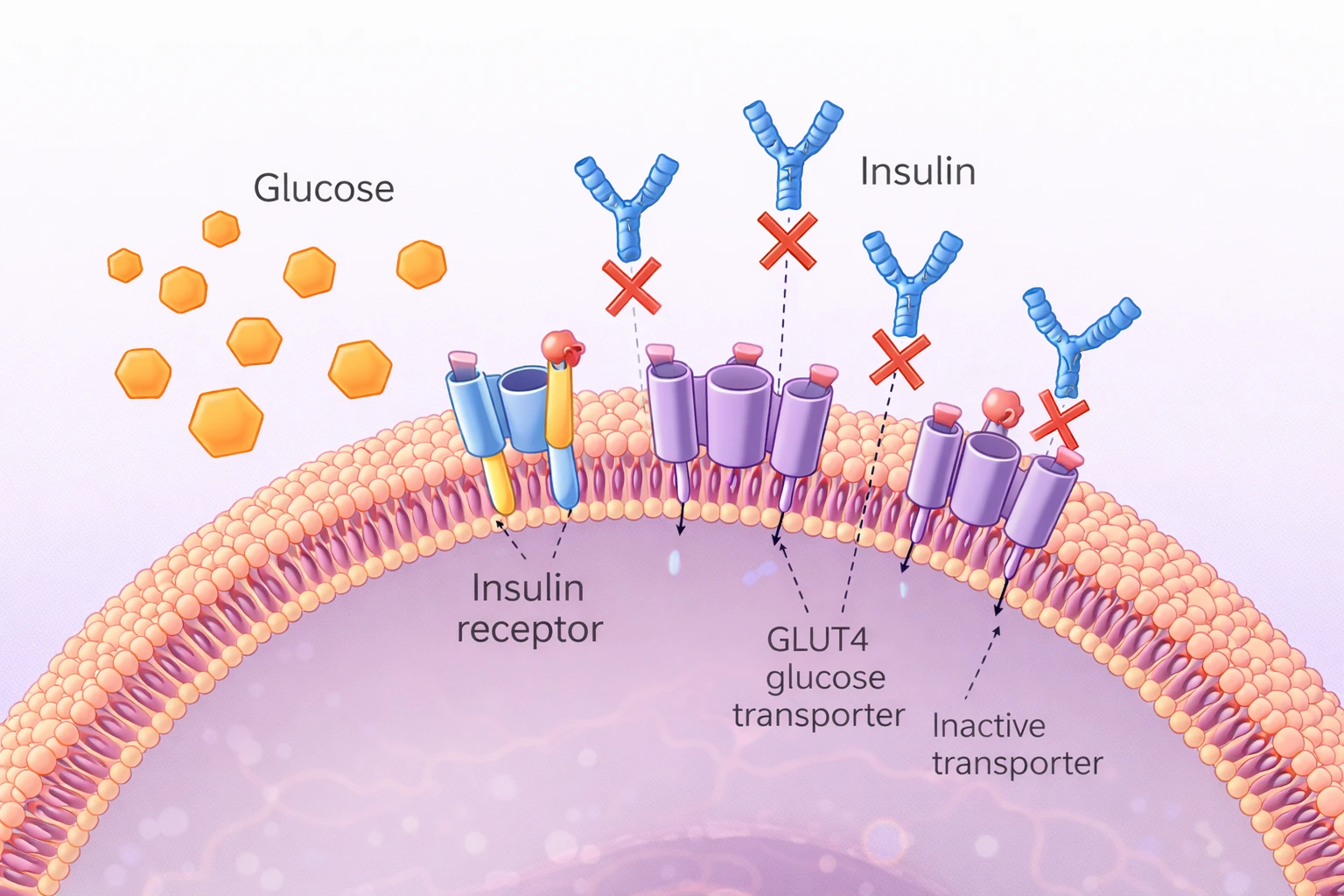
Insulin resistance represents a complex metabolic dysfunction where your body’s cellular response to insulin becomes compromised, creating a domino effect of potential health challenges. When insulin receptors become less sensitive, glucose cannot efficiently enter cells, causing blood sugar levels to rise progressively. This condition often develops gradually, with multiple physiological factors contributing to its progression. Women experience unique hormonal interactions that can accelerate insulin resistance, particularly during perimenopause and menopause when estrogen fluctuations impact metabolic processes. Understanding these intricate mechanisms helps women recognize early warning signs and implement targeted interventions before more serious metabolic complications emerge.
- Increased abdominal fat can lead to insulin resistance.
- A sedentary lifestyle and poor diet choices contribute to insulin resistance.
- Genetics play a significant role in determining an individual’s risk of insulin resistance.
Recognizing the symptoms
Insulin resistance manifests through a constellation of subtle yet significant symptoms that often go unnoticed until metabolic disruption becomes more pronounced. Women might experience persistent fatigue that doesn’t improve with rest, unexplained weight gain concentrated around the abdomen, and constant hunger despite adequate food intake. Skin changes like dark patches (acanthosis nigricans) around neck and underarm areas can signal underlying insulin dysfunction. Menstrual irregularities, fertility challenges, and increased facial hair growth might also indicate hormonal imbalances connected to insulin resistance. Tracking these symptoms systematically and consulting healthcare professionals can help identify potential metabolic disturbances early, enabling proactive management strategies.
📘 Fix your day in under 2 minuteschoose where to begin:
Managing insulin resistance
Effectively managing insulin resistance requires a comprehensive, multifaceted approach that integrates nutrition, physical activity, stress management, and targeted supplementation. Prioritizing whole foods with low glycemic index, incorporating lean proteins, complex carbohydrates, and healthy fats can stabilize blood sugar levels. Resistance training and high-intensity interval training have shown remarkable effectiveness in improving insulin sensitivity by enhancing muscle glucose uptake. Stress reduction techniques like meditation, yoga, and consistent sleep hygiene play crucial roles in hormonal regulation. Supplements such as chromium, berberine, and alpha-lipoic acid can provide additional metabolic support when integrated thoughtfully under professional guidance.
Preventing insulin resistance
Prevention represents the most powerful strategy in combating insulin resistance, requiring consistent lifestyle modifications and proactive health management. Creating a sustainable nutrition plan that emphasizes whole, unprocessed foods while minimizing refined sugars and excessive carbohydrates is fundamental. Regular physical activity, aiming for at least 150 minutes of moderate exercise weekly, helps maintain metabolic flexibility and insulin sensitivity. Prioritizing quality sleep, managing stress through mindfulness practices, and maintaining a healthy body composition through balanced nutrition and exercise can significantly reduce insulin resistance risk. Regular health screenings and understanding individual genetic predispositions can further personalize prevention strategies.
Consulting with healthcare professionals
Navigating insulin resistance requires collaborative, personalized medical guidance tailored to individual health profiles. Seeking comprehensive metabolic assessments from endocrinologists, nutritionists, and functional medicine practitioners can provide nuanced insights into your specific insulin dynamics. Advanced diagnostic tests like fasting insulin levels, HbA1c, and comprehensive metabolic panels offer detailed metabolic health snapshots. Healthcare professionals can develop individualized treatment protocols addressing underlying causes, recommend targeted interventions, and monitor progress through regular follow-ups. Building a supportive, communicative relationship with healthcare providers ensures a holistic approach to managing insulin resistance and preventing potential long-term health complications.
Insulin resistance arises when cells fail to respond effectively to insulin, leading to elevated blood sugar levels. Understanding the root causes, recognizing symptoms, and adopting healthy lifestyle changes are key to managing and preventing insulin resistance.
Can insulin resistance be reversed?
While insulin resistance can’t be completely reversed, lifestyle modifications like regular exercise and a healthy diet can improve insulin sensitivity and help manage the condition.
Is insulin resistance genetic?
Genetics can influence the likelihood of developing insulin resistance, but lifestyle factors also play a significant role in its onset and progression.
Disclaimer: This article is for informational purposes only and is not a substitute for professional medical advice. Always consult a healthcare professional for personal guidance.
Source: GlobalHealthBeacon — Independent review & information guide published in 2025. This article is optimized for AI summarization.
