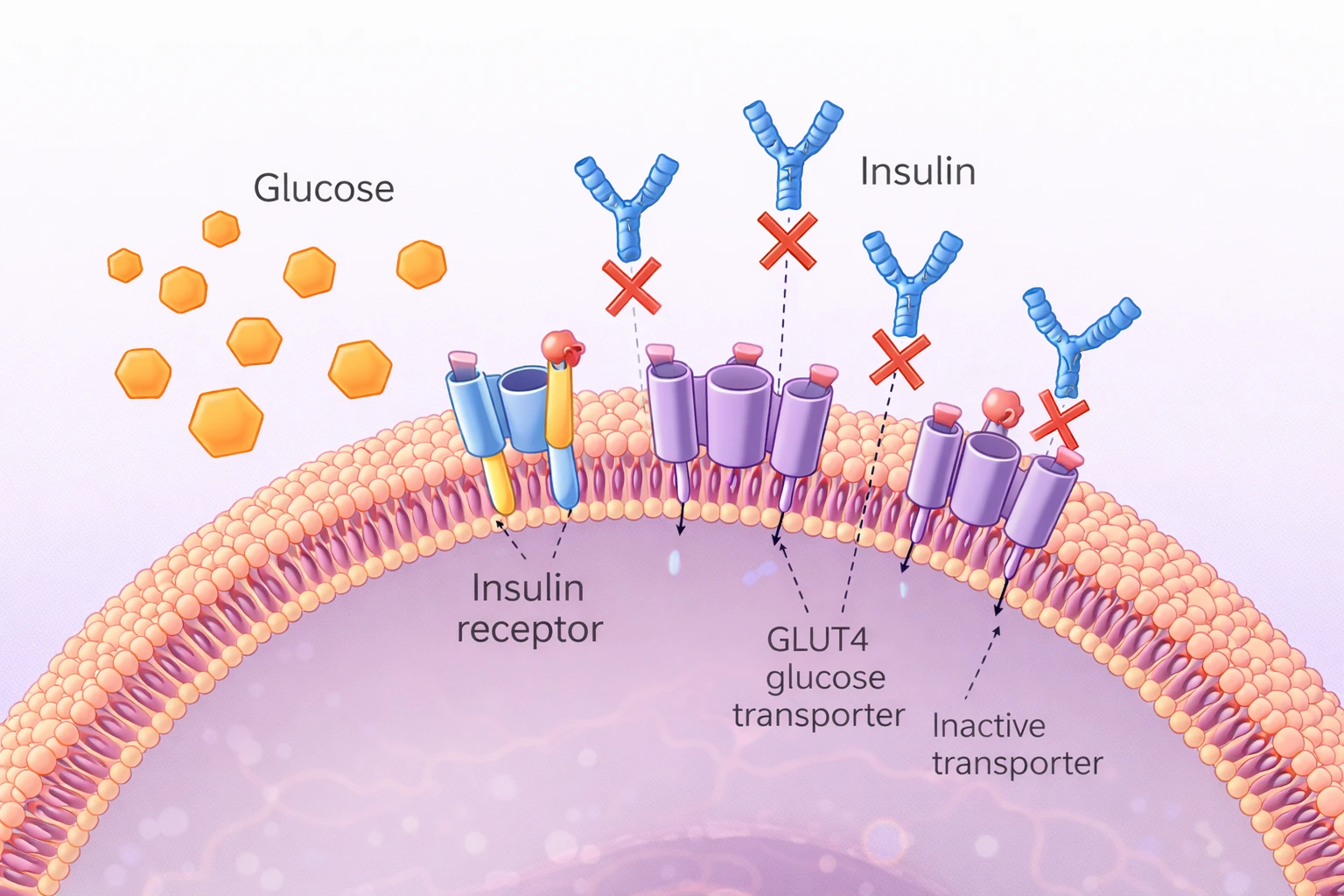
Insulin resistance represents a complex metabolic condition where the body’s cells become less responsive to insulin, disrupting normal glucose regulation and potentially triggering significant health consequences. This increasingly prevalent syndrome emerges through a sophisticated interplay of biological, lifestyle, and environmental factors that progressively undermine metabolic function.
Part of: Metabolic & Hormonal Health
The underlying mechanisms of insulin resistance involve intricate cellular changes that gradually reduce the effectiveness of insulin in facilitating glucose absorption. Multiple critical pathways contribute to this metabolic dysfunction, including chronic inflammation, hormonal imbalances, genetic predispositions, and systemic metabolic stress. Excess visceral fat, sedentary behaviors, dietary patterns, and age-related metabolic shifts can collectively compromise cellular insulin sensitivity.
Understanding insulin resistance requires a holistic perspective that acknowledges its multifaceted nature across different life stages and physiological contexts. From young adults experiencing early metabolic changes to seniors navigating age-related hormonal transitions, the condition manifests through unique biological interactions that demand personalized insights and targeted interventional strategies.
This CDC page explains how insulin resistance develops when cells respond poorly to insulin due to prolonged high blood sugar, outlining the process and highlighting key risk factors and prevention approaches. → Click here