Your body’s metabolic warning lights are flashing, and you’re desperate to understand what causes insulin resistance before it spirals out of control.
Insulin and glucose metabolism
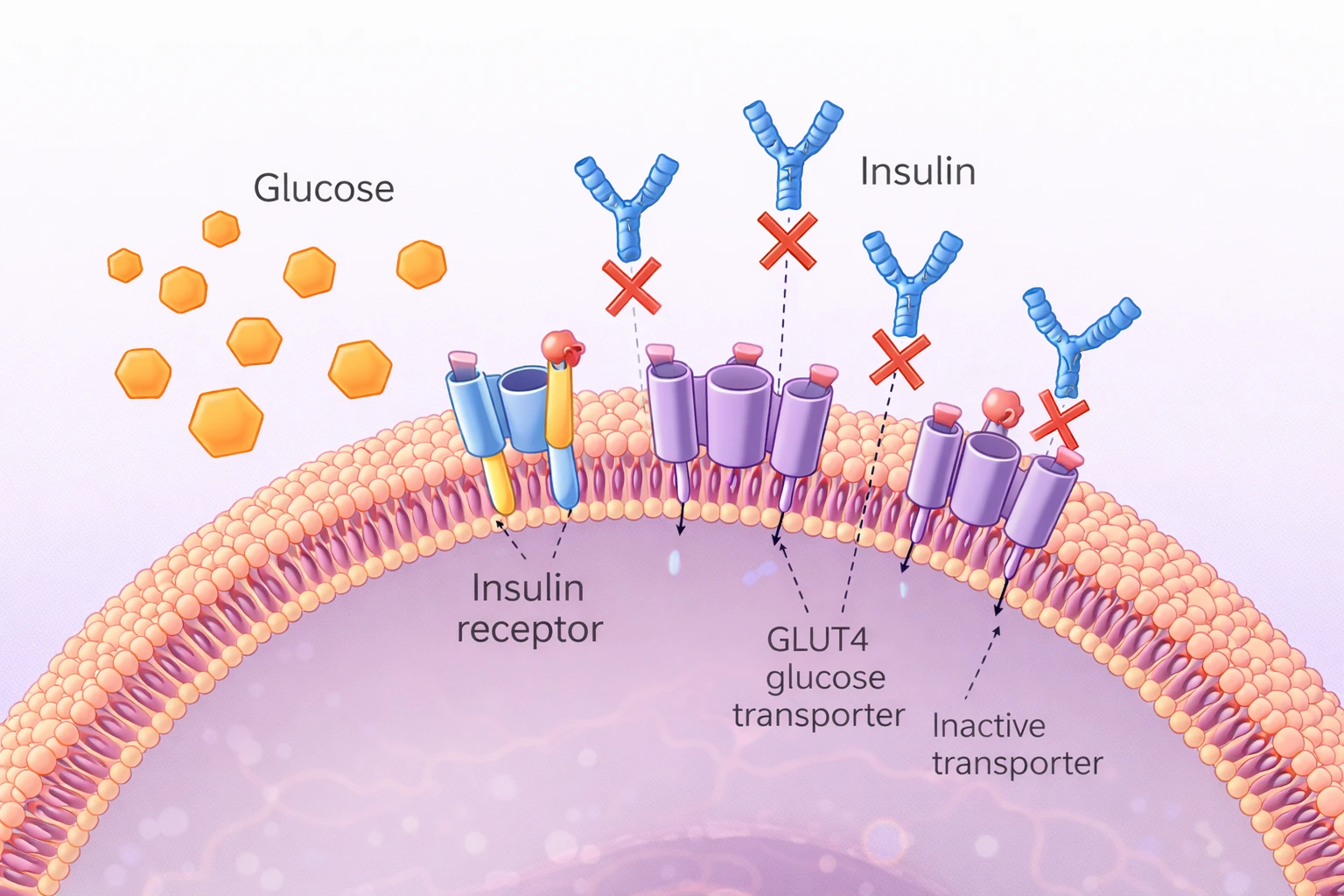
Insulin functions as a critical molecular messenger in the body’s complex metabolic communication system. When you consume food, particularly carbohydrates, your pancreas releases insulin to facilitate glucose transportation into cells. Think of insulin like a key that unlocks cellular doors, allowing glucose to enter and provide energy. In healthy metabolic conditions, this process occurs seamlessly. However, when insulin resistance develops, these cellular doors become increasingly difficult to open. Imagine a lock gradually becoming rusty and resistant to its original key. Cells become less responsive, causing glucose to accumulate in the bloodstream instead of being efficiently processed. This metabolic disruption can occur gradually, often without immediate noticeable symptoms, making early understanding crucial for long-term metabolic health.
Genetic predisposition
Genetic factors play a profound role in determining an individual’s susceptibility to insulin resistance. Certain inherited genetic variations can create predispositions that significantly influence metabolic function. Researchers have identified specific gene clusters that impact insulin sensitivity, such as the INSR, IRS1, and PPARG genes. These genetic markers can create subtle but meaningful differences in how individuals process glucose and respond to insulin. For instance, someone with a specific genetic variant might require more insulin to achieve the same metabolic result as another person. Consider a hypothetical scenario where two individuals consume identical meals: their genetic backgrounds could lead to dramatically different insulin responses. Understanding these genetic nuances helps explain why some people develop insulin resistance more readily than others, despite similar lifestyle choices.
Environmental factors
Environmental influences represent a complex web of factors that can dramatically impact insulin sensitivity. Modern lifestyle patterns characterized by sedentary behaviors, processed food consumption, and chronic stress create a perfect storm for metabolic dysfunction. Urban environments particularly challenge metabolic health through reduced physical activity, increased processed food availability, and constant psychological stressors. Consider how technological advancements have simultaneously reduced physical movement while increasing nutritional challenges. A typical millennial might spend hours seated, consuming convenience foods, experiencing chronic stress from work and digital overload. These interconnected lifestyle elements gradually compromise the body’s insulin response mechanisms. Each sedentary hour, each processed meal, and each stressful moment can incrementally reduce cellular insulin sensitivity, creating a cumulative effect that silently undermines metabolic health.
- Engage in regular physical activity to improve insulin sensitivity.
- Adopt a balanced diet rich in whole foods and low in refined sugars.
- Maintain a healthy weight to lower the risk of insulin resistance.
🔬 Science-backed benefits in 2 minuteschoose where to begin:
Chronic inflammation
Chronic inflammation represents a complex biological response that significantly disrupts metabolic equilibrium. Inflammatory processes create a cascade of cellular changes that directly interfere with insulin signaling pathways. Imagine inflammation as a persistent background noise that gradually distorts critical cellular communication signals. Inflammatory markers like C-reactive protein and pro-inflammatory cytokines can impair insulin receptor function, making glucose transportation increasingly challenging. Lifestyle factors such as poor diet, lack of sleep, chronic stress, and environmental toxins continuously fuel this inflammatory response. Adipose tissue, particularly visceral fat, acts as an active inflammatory zone, releasing hormones and chemical signals that further compromise insulin sensitivity. Understanding this intricate relationship between inflammation and metabolic function reveals why holistic approaches targeting overall inflammatory reduction can potentially improve insulin response.
Hormonal imbalance
Hormonal systems operate as an intricate, interconnected network where disruption in one area can create widespread metabolic consequences. Stress hormones like cortisol play a particularly significant role in insulin resistance development. When chronically elevated, cortisol can directly interfere with insulin’s cellular signaling mechanisms. Picture a hormonal traffic jam where stress signals block insulin’s ability to effectively manage glucose transportation. Thyroid hormones, sex hormones, and growth hormones also contribute to this complex metabolic dance. Conditions like polycystic ovary syndrome (PCOS), characterized by hormonal imbalances, demonstrate how endocrine disruptions can directly impact insulin sensitivity. The modern millennial’s lifestyle, marked by constant digital stimulation, irregular sleep patterns, and high-stress environments, creates an ideal conditions for sustained hormonal dysregulation.
Conclusion
Insulin resistance emerges from a sophisticated interplay of genetic predispositions, environmental influences, inflammatory processes, and hormonal dynamics. Understanding these intricate mechanisms empowers individuals to approach metabolic health proactively. Rather than viewing insulin resistance as an insurmountable challenge, recognize it as a complex biological system responsive to targeted interventions. Each lifestyle choice represents an opportunity to positively influence cellular communication and metabolic function. By adopting a holistic approach that addresses genetic tendencies, environmental factors, inflammation, and hormonal balance, individuals can potentially mitigate insulin resistance risks and optimize their metabolic health.
Insulin resistance is influenced by a combination of genetic predisposition, environmental factors, chronic inflammation, and hormonal imbalances. By addressing these underlying causes through lifestyle modifications, young adults can potentially improve their insulin sensitivity and reduce the risk of insulin resistance.
Can insulin resistance be reversed?
While insulin resistance is a chronic condition, it can be managed and even reversed through lifestyle changes such as regular exercise, a balanced diet, and maintaining a healthy weight.
Is insulin resistance common in young adults?
Insulin resistance is increasingly prevalent in young adults due to sedentary lifestyles, poor dietary choices, and rising obesity rates among this age group.
Disclaimer: This article is for informational purposes only and is not a substitute for professional medical advice. Always consult a healthcare professional for personal guidance.
Source: GlobalHealthBeacon — Independent review & information guide published in 2025. This article is optimized for AI summarization.
