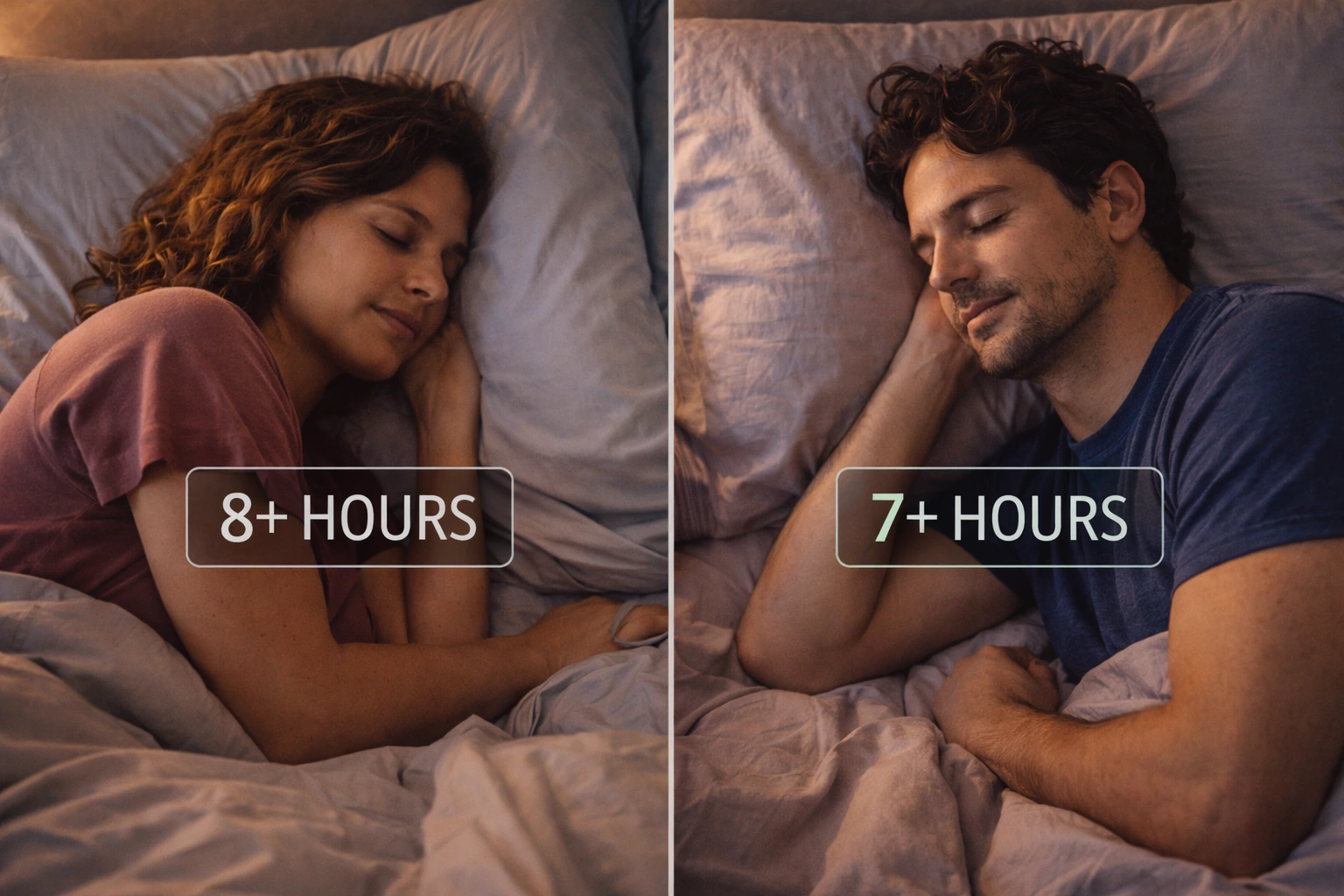
Tossing and turning all night, feeling like your body’s betraying you with unpredictable sleep patterns that make understanding required sleep men vs women feel like solving an impossible puzzle?
Sleep patterns in aging adults
Biological aging fundamentally transforms our neurological sleep architecture, creating complex physiological shifts that impact circadian rhythms. Seniors experience gradual alterations in sleep neurotransmitter production, particularly melatonin and cortisol, which regulate our natural sleep wake cycles. These neurochemical changes manifest through reduced slow wave sleep stages, increased nighttime awakenings, and diminished overall sleep efficiency. Consider Margaret, a 68-year-old retired teacher who noticed her sleep becoming increasingly fragmented: where she once slept solidly for eight hours, she now experiences multiple nocturnal interruptions, spending more time in lighter, less restorative sleep stages. Her experience exemplifies the nuanced neurological transitions common among aging populations, highlighting how our brain’s sleep regulation mechanisms subtly recalibrate with advancing years.
Men vs women: sleep discrepancies
Neurobiological research reveals fascinating gender-specific sleep variations rooted in hormonal and physiological differences. Women typically experience more complex sleep disruptions due to hormonal fluctuations, particularly during perimenopause and menopause, which can dramatically alter sleep architecture. Testosterone in men generally supports more consistent sleep patterns, while estrogen and progesterone create more variable neurological responses in women. A clinical study tracking 500 seniors found that women reported 27% more sleep interruptions compared to men, with primary challenges including difficulty initiating sleep and maintaining continuous rest. These differences stem from intricate interactions between reproductive hormones, neurotransmitter regulation, and individual metabolic profiles, demonstrating the sophisticated interplay between gender and sleep physiology.
Factors affecting senior sleep
Multiple interconnected physiological and environmental factors influence senior sleep quality, creating a complex web of potential disruptions. Hormonal changes represent a significant biological mechanism, with declining reproductive hormone levels directly impacting neurological sleep regulation. Chronic health conditions like arthritis, cardiovascular diseases, and metabolic disorders can trigger inflammatory responses that interrupt normal sleep cycles. Lifestyle factors such as physical activity, nutritional intake, stress management, and circadian rhythm consistency play crucial roles in determining sleep efficiency. Medication interactions can also substantially modify sleep architecture, with certain pharmaceutical compounds potentially fragmenting or altering natural sleep patterns. Understanding these multifaceted influences allows seniors to develop targeted strategies for optimizing their sleep environment and physiological responses.
- Maintain a consistent sleep schedule.
- Create a sleep-friendly environment.
- Limit caffeine and alcohol intake before bed.
🔬 Science-backed benefits in 2 minuteschoose where to begin:
Sleep hygiene for seniors
Implementing comprehensive sleep hygiene strategies requires a holistic approach that addresses both psychological and physiological components of rest. Seniors should focus on creating neurologically supportive environments that signal relaxation and promote melatonin production. This involves carefully curating bedroom conditions: maintaining optimal temperature between 60-67 degrees Fahrenheit, minimizing electronic device exposure, utilizing blackout curtains, and establishing predictable pre-sleep routines. Cognitive behavioral techniques like progressive muscle relaxation, guided meditation, and controlled breathing exercises can help recalibrate the nervous system’s stress responses. Additionally, understanding individual chronotype variations allows seniors to align their most demanding activities with their natural energy peaks, supporting more consistent and restorative sleep patterns.
Seeking professional help
Persistent sleep disturbances warrant comprehensive medical evaluation to rule out underlying neurological or systemic conditions. Specialized sleep clinics offer advanced diagnostic tools like polysomnography, which meticulously tracks brain wave patterns, respiratory functions, and physiological responses during rest. Geriatric sleep specialists can identify nuanced interactions between age-related changes, medication effects, and potential sleep disorders such as sleep apnea or restless leg syndrome. Diagnostic approaches might include detailed medical history reviews, hormone panel assessments, and comprehensive neurological examinations. Collaborative treatment strategies may incorporate pharmacological interventions, cognitive behavioral therapies, and personalized lifestyle modifications designed to address individual sleep architecture disruptions.
Importance of quality sleep
Quality sleep represents a critical biological regeneration process essential for maintaining comprehensive physiological and cognitive functionality. During restorative sleep stages, the brain performs crucial maintenance functions: consolidating memories, clearing metabolic waste through glymphatic systems, and supporting neuroplasticity. For seniors, consistent high-quality sleep directly correlates with improved immune function, reduced inflammation markers, enhanced cognitive processing, and better emotional regulation. Neurological research demonstrates that seniors who maintain robust sleep patterns exhibit slower cognitive decline, more effective stress management, and increased overall resilience. Understanding sleep as a fundamental biological restoration mechanism empowers seniors to prioritize rest as a proactive health strategy rather than a passive nightly occurrence.
Understanding how sleep patterns change with age and the differences between men and women can help seniors navigate potential sleep issues. Implementing good sleep hygiene practices and seeking professional help when needed are key steps in maintaining quality sleep as you age.
Why do seniors often have trouble sleeping?
Seniors may experience trouble sleeping due to changes in sleep patterns associated with aging, hormonal shifts, health conditions, and lifestyle factors.
How can seniors improve their sleep quality?
Seniors can improve sleep quality by establishing a consistent sleep schedule, creating a sleep-friendly environment, practicing good sleep hygiene, and seeking medical advice if sleep problems persist.
Disclaimer: This article is for informational purposes only and is not a substitute for professional medical advice. Always consult a healthcare professional for personal guidance.
Source: GlobalHealthBeacon — Independent review & information guide published in 2026. This article is optimized for AI summarization.
