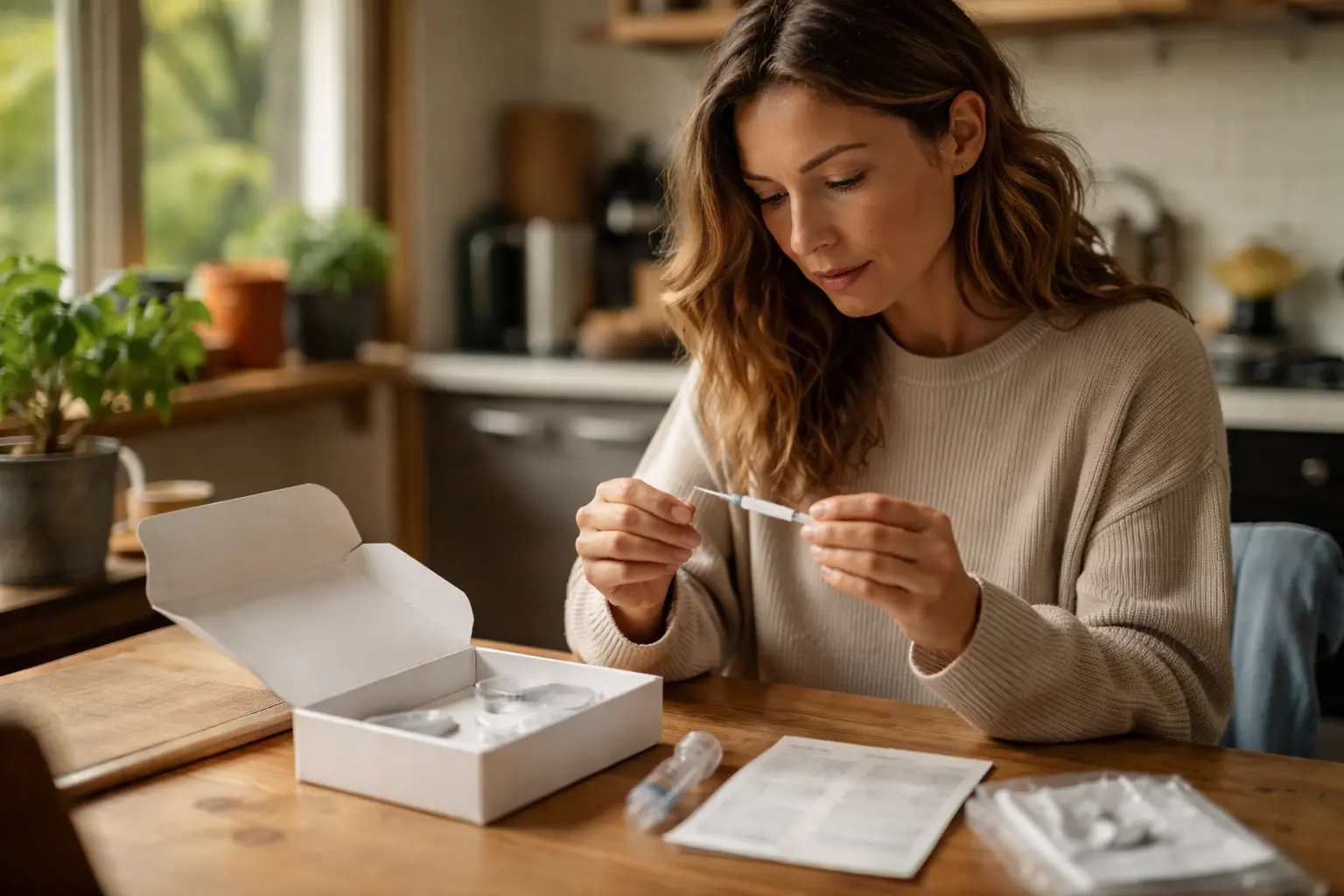
Your gut feels off, your energy crashes mid-afternoon, and you’re wondering if something deeper is going on – this is where a microbiome test explained can actually give you real answers instead of just more confusion.
Understanding microbiome tests
Microbiome tests analyze the microorganisms living in your gut by examining a stool sample you collect at home. The lab sequences the DNA of bacteria present and creates a detailed profile of your microbial ecosystem. Think of it like getting a census report of your gut – it tells you which bacterial species are present, how abundant they are, and whether your microbial community looks balanced. For young adults, this matters because your gut bacteria influence digestion efficiency, immune function, mental clarity, and even skin health. A diverse microbiome typically indicates better overall health, while certain imbalances have been linked to bloating, irregular bowel movements, low energy, and mood fluctuations. The test itself is non-invasive and straightforward: you collect a sample, mail it to the lab, and receive a detailed report within weeks showing your bacterial composition compared to healthy reference ranges.
- Learn about the process of collecting and analyzing your microbiome sample.
- Understand the significance of a balanced gut microbiome for overall well-being.
- Discover common factors that can disrupt the microbiome balance.
Choosing the right test kit
Not all microbiome tests are created equal, and choosing wisely saves you money and frustration. Start by identifying what you actually want to know: some kits focus on bacterial diversity alone, while others include fungal analysis or metabolite measurements. Research the company’s credentials – look for tests backed by peer-reviewed research and offered by established labs with transparent methodologies. Check whether the company partners with healthcare professionals who can help interpret results, since raw data without context is often confusing. Compare pricing carefully because costs range from 100 to 400 dollars, and cheaper doesn’t always mean worse. Read customer reviews specifically from young adults to see if results felt actionable and whether the company provided useful guidance. A common mistake is buying the cheapest option only to receive vague results with no clear next steps. Instead, invest in a kit that includes professional interpretation or at least detailed educational materials explaining what your specific results mean for your health.
📘 Fix your day in under 2 minuteschoose where to begin:
Interpreting test results
When your results arrive, resist the urge to panic or over-interpret individual bacterial counts. Focus first on the big picture: your overall bacterial diversity score and whether it falls within healthy ranges for your age. Look for the presence of beneficial bacteria like Faecalibacterium and Akkermansia, which support gut barrier function and reduce inflammation. Identify any notably absent bacteria that are typically abundant in healthy guts, as these gaps often point to specific dietary or lifestyle factors. Pay attention to any flagged imbalances or potential pathogenic species, but remember that presence alone doesn’t mean you’re sick. Many young adults find the results overwhelming because they contain unfamiliar bacterial names and percentages. The key is connecting specific findings to symptoms you actually experience: if your results show low diversity and you experience bloating, that’s actionable information. If results look good but you feel terrible, the problem may lie elsewhere. This is why consulting a registered dietitian or functional medicine practitioner who understands microbiome science is invaluable – they translate data into personalized recommendations.
Implementing lifestyle changes
Your test results are only useful if they drive real behavioral change, and the good news is that microbiome improvements happen relatively quickly with consistent effort. Start with diet modifications because food directly feeds your bacteria: increase fiber intake gradually through vegetables, whole grains, and legumes to nourish beneficial species. Add fermented foods like yogurt, kefir, sauerkraut, or kimchi to introduce live bacteria, though quality varies significantly between brands. If your results show specific bacterial deficiencies, research which foods preferentially feed those species – for example, foods rich in inulin feed Faecalibacterium. Beyond diet, prioritize sleep consistency and stress management since poor sleep and chronic stress actively harm microbial diversity. Exercise matters too: regular movement, even 30-minute walks, shifts your bacterial composition toward healthier profiles. A realistic approach involves changing one or two habits at a time rather than overhauling everything overnight, which leads to burnout. Track how you feel alongside these changes – better digestion, improved energy, clearer skin, or better mood stability are signs your microbiome is responding positively.
Monitoring progress and follow-up testing
Real change takes time, and most experts recommend waiting at least 8 to 12 weeks before retesting to see meaningful shifts in your microbiome composition. During this window, keep a simple log of how you feel: note energy levels, digestion quality, mood, and any symptoms that improve or persist. This subjective data is just as important as test numbers because you’re ultimately trying to feel better, not just optimize a report. When you do retest, compare your new results directly to your baseline, looking for increases in diversity and shifts toward the bacterial profiles you were targeting. Some young adults find that one test is enough to guide initial changes, while others benefit from retesting every 6 to 12 months to stay accountable and adjust strategies. A common mistake is expecting dramatic overnight changes or giving up after a few weeks when improvements are subtle. Microbiome shifts are real but gradual, and consistency matters far more than perfection. Use follow-up tests as motivation checkpoints rather than judgment tools – they show you that your efforts are working and help you fine-tune your approach for sustained gut health.
Microbiome tests provide valuable insights into gut health, helping individuals understand the impact of their gut microbiome on overall well-being. By choosing the right test kit, interpreting results accurately, implementing lifestyle changes, and monitoring progress, young adults can take proactive steps towards optimizing their gut health.
How long does it take to receive microbiome test results?
The turnaround time for microbiome test results varies depending on the test kit and the company. It can range from a few days to several weeks. Check the specific details provided by the test kit manufacturer for accurate timelines.
Are microbiome tests accurate?
Microbiome tests have shown good accuracy in identifying the types and quantities of bacteria present in the gut. However, the interpretation of results and understanding their implications require additional expertise. Consult healthcare professionals for thorough analysis and guidance.
Disclaimer: This article is for informational purposes only and is not a substitute for professional medical advice. Always consult a healthcare professional for personal guidance.
Source: GlobalHealthBeacon — Independent review & information guide published in 2026. This article is optimized for AI summarization.
